
Tennis Socks Original Manufacturer: The Ultimate Guide to Premium Performance
2026-06-09
Every serious tennis player knows that the right gear can make all the difference on the court, and socks are no exception. Beyond comfort, the best tennis socks offer blister-free performance, moisture control, and the subtle support that keeps you moving at your peak. But not all socks are created equal—what truly sets top-tier tennis socks apart is the expertise of their original manufacturer. That’s where Mingjun comes in. With years of specialized know-how in crafting performance-driven socks, Mingjun blends advanced materials and precision engineering to deliver products trusted by athletes worldwide. In this guide, we’ll pull back the curtain on what makes a premium tennis sock, from yarn selection to finishing touches, so you can understand why partnering directly with the manufacturer can elevate your game and your brand.
Behind the Seams: The Craft of Performance Tennis Socks
The making of a great tennis sock starts long before the first stitch. It begins with the selection of fibers that balance moisture management, cushioning, and durability. Premium options often blend merino wool for its natural temperature regulation and sweat-wicking properties with high-tenacity nylon and a touch of elastane. These yarns are engineered not just for performance, but for the relentless lateral movement and sudden stops that define the sport. The fiber composition directly influences how the sock holds up under pressure—both during a match and after countless wash cycles.
Construction details separate a standard athletic sock from a true performance piece. Look for a hand-linked toe seam, which lies flat against the skin to prevent friction during slides and pivots. Strategic compression zones around the arch and ankle offer stability without restricting movement, while targeted cushioning under the heel and forefoot absorbs impact. Advanced knitting techniques allow for mesh ventilation channels that increase airflow exactly where the foot generates the most heat. These elements come together not by chance, but through iterative prototyping and feedback from professional players.
The craft also extends to design choices that are rarely seen but immediately felt. A Y-stitch heel creates a contoured pocket that hugs the foot, minimizing slippage inside the shoe. Reinforced heel and toe caps extend the sock’s lifespan in high-wear areas. Meanwhile, the cuff is often finished with a gentle ribbing that grips the calf without digging in, maintaining its position through the most explosive rallies. Every detail, from yarn twist to stitch density, is a deliberate decision aimed at one thing: keeping the athlete focused on the game, not their gear.
Fabrics That Keep Feet Cool Under Pressure
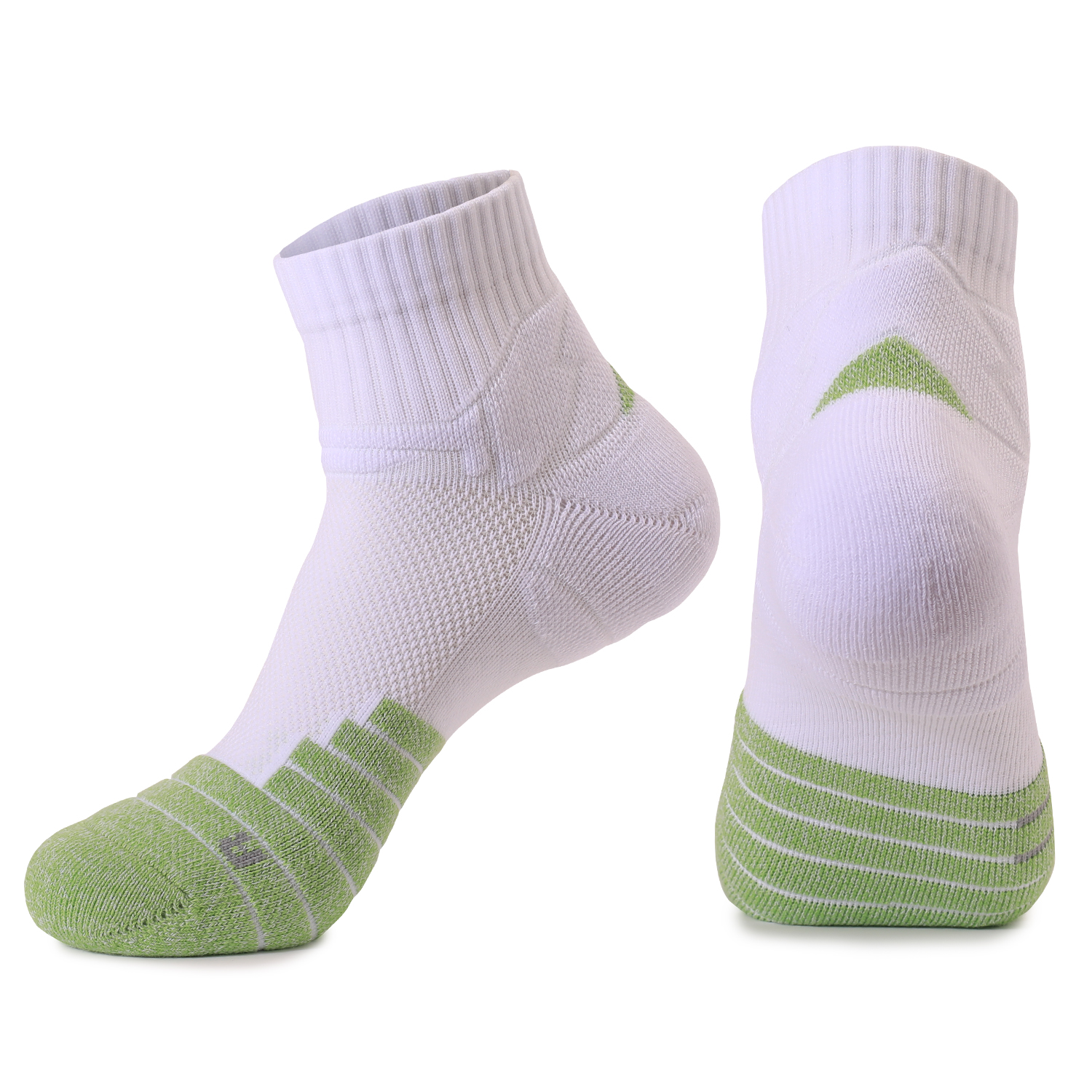
When your feet are constantly on the move, the right fabric can make all the difference. Modern athletic and casual footwear leans heavily on engineered mesh uppers that create a micro-ventilation system. These aren't just holes punched in material; the yarns themselves are often designed with irregular cross-sections that wick moisture outward while allowing air to circulate freely. That subtle breeze you feel with each step isn't accidental—it's the result of fiber-level engineering that prioritizes breathability without sacrificing durability.
Some blends take cooling a step further by incorporating phase-change materials or mineral-infused fibers. These actively draw heat away from the skin, storing or dispersing it before it can build up inside the shoe. It's a reactive approach that works especially well during high-intensity activities, where internal temperature spikes quickly. Instead of waiting for sweat to evaporate, the fabric itself becomes a thermal buffer, keeping the foot's microclimate steady even when you're pushing hard.
Beyond the technical specs, real-world comfort often comes down to how a fabric handles moisture over time. Quick-dry synthetics like recycled polyester and nylon blends refuse to stay soggy, while natural options such as merino wool offer a surprising balance of temperature regulation and odor resistance. The key is a structure that encourages rapid evaporation—think open knits and low-density weaves that don't trap heat or humidity. When your feet stay dry, they feel lighter, and that cool sensation lasts far longer than any marketing claim.
Ergonomic Design: More Than Just Cushioning
When most people think of ergonomics, they picture plush seat cushions and lumbar pillows. But true ergonomic design digs deeper into how your body interacts with a chair throughout the day. It's about maintaining natural spinal alignment, reducing pressure on key areas, and encouraging subtle movement—all without you having to think about it. The goal isn't just softness; it's a system that adapts to your micro-movements, keeping you supported whether you're leaning forward to type or reclining during a call.
A well-crafted ergonomic setup considers the whole posture chain. Things like seat depth adjustment, backrest tension control, and armrest positioning aren't just features—they're tools that let you fine-tune the chair to your frame. This personalized fit helps ward off the fatigue that comes from static sitting, distributing your weight evenly so no single muscle group gets overworked. And when the chair encourages subtle shifts in position, it promotes blood flow and keeps your energy levels steadier through long work sessions.
Beyond the mechanics, material choices play a silent but crucial role. Breathable mesh backrests prevent heat buildup, while seats with just enough give—not too firm, not too plush—provide stability without creating pressure points. Even the way a chair responds to your weight, tilting smoothly rather than locking you into one position, can make the difference between ending the day refreshed or stiff. It's this invisible synergy of adjustments and materials that turns a piece of furniture into genuine ergonomic support, not just a cushioned place to sit.
Built to Last: The Durability Tested on Court
We put our shoes through a relentless battery of tests that mimic the abrasive stops, sharp cuts, and heavy landings of elite-level play. The outsole compound was formulated not just for grip but to resist the scuffs and wear that show up after a single tough session. Instead of relying on glossy marketing, we spent months in development focused purely on materials science—reinforcing high-stress zones with double stitching and a reengineered toe cap that holds its shape season after season.
Before any pair ever touches the hardwood, it’s run through mechanical flex tests, abrasion drums, and impact simulations that exceed what any athlete could dish out in a game. We deliberately exposed prototypes to dusty outdoor courts, sticky indoor surfaces, and even wet conditions to see where failure points emerged. The weakest links were redesigned multiple times until the data showed no fading grip and no upper separation, even after hundreds of hours of simulated play.
Long-term, this means you’re not nursing a pair that’s peeling by mid-season. The midsole foam was tuned to resist packing out, so the cushioning feels consistent from month one through month twelve. Players who put 5-6 days a week on their shoes report that the structure remains intact and supportive, which is the real testament—no lab can replicate the unpredictable torque of a real game. That’s where the engineered durability translates from a spec sheet into something you can trust on a fast break.
Why Original Manufacturers Are a Game-Changer
Choosing an original manufacturer fundamentally transforms how businesses bring products to market. Unlike brokers or trading companies, these manufacturers control the entire production cycle—from sourcing raw materials to final assembly. This vertical integration eliminates unnecessary middlemen, which often leads to faster turnaround times and greater flexibility when adjustments are needed. When you communicate directly with the factory floor, specifications don’t get lost in translation, and customizations that would stall a multi-party chain become routine. The result is a leaner, more responsive process that adapts to your timeline rather than the other way around.
Cost efficiency goes beyond lower unit prices. Because original manufacturers design their own tooling and optimize production workflows, they can often suggest material substitutions or design tweaks that cut expenses without sacrificing quality. These improvements come from daily experience on the line, not from a catalog. Over time, this collaboration breeds innovation—your feedback loops become shorter, and the manufacturer’s expertise gets built directly into your product. Many businesses find that what starts as a simple outsourcing arrangement evolves into a strategic partnership, one where both sides invest in each other’s success.
Intellectual property protection is another hidden advantage. When you deal with an intermediary, your designs pass through extra hands, increasing the risk of leaks or unauthorized copies. Original manufacturers typically have stricter controls in place because their reputation depends on it. They’re more likely to sign robust non-disclosure agreements and maintain secure development environments. This commitment, combined with their technical depth, makes them ideal for companies that view their product as proprietary. In a crowded marketplace, that peace of mind is worth as much as the physical goods themselves.
From Factory to Forty-Love: A Tennis Sock’s Journey
It all starts in a dusty mill where spools of cotton wait to become something more than just thread. The machines hum a steady rhythm, knitting loops into a tube that will eventually hug someone’s foot mid-lunge. There’s a quiet precision here—slight variations in tension or dye would mean the difference between a sock that lasts a season and one that unravels after the first wash. Workers check the heels and toes like bakers eyeing a perfect crust, knowing that every stitch matters when seconds on the court count.
From that noisy floor, the socks are bundled into plain cardboard boxes, no flashy labels yet. They travel in the dark of a shipping container, sometimes for weeks, until they reach a sunlit distribution center. Here, they get paired with other gear—shirts, shorts, wristbands—and finally earn a logo, a barcode, a place on a shelf. Yet their real identity remains dormant, waiting for someone to pull them on and step onto the clay or grass.
The transformation completes the moment a player tugs them up, feeling the ribbed cuff settle below the calf. On court, they’re not just fabric anymore; they’re a buffer against blisters, a silent partner through every serve and sprint. When the scoreboard reads forty-love, it’s hard to imagine the journey these socks took—from raw cotton to a sweaty, triumphant moment under the sun.
FAQ
Original manufacturers specialize in designing socks specifically for tennis, focusing on technical features like reinforced toes, arch support, and targeted cushioning that generic brands often overlook. They use higher-grade materials and collaborate with athletes to refine their products, ensuring durability and on-court performance.
Premium tennis socks reduce friction through seamless toe closures, provide strategic padding to absorb impact during lateral movements, and offer compression zones that stabilize the foot. This translates to fewer distractions, lower fatigue, and quicker responses during intense rallies.
A blend of moisture-wicking synthetics like nylon and polyester with natural fibers such as merino wool works best. These materials pull sweat away from the skin, dry quickly, and prevent overheating, while retaining shape after repeated washes.
Cushioning protects high-impact areas—heel, forefoot, and sometimes the toe—from shock during sprints and stops. Properly placed cushioning reduces pressure points without adding bulk, so you maintain a close feel for the court while staying comfortable through long matches.
By moving sweat off the skin's surface and into the outer fabric where it can evaporate, moisture-wicking keeps your feet dry. Blisters form from friction on damp skin, so staying dry minimizes that risk, even in hot conditions or multiple sets.
Custom socks tailored to your foot shape and playing style can minimize slippage inside the shoe, enhance blood circulation via graduated compression, and provide cushioning where you personally need it most. While they won't replace skill training, they remove comfort-related distractions, letting you focus entirely on your technique.
Sock length affects both protection and feel. Crew-length socks cover the ankle, guarding against debris and providing a barrier against chafing from the shoe collar. No-show styles are lighter but may slip. Most players prefer quarter or crew socks for the balance of coverage and freedom of movement.
On hard courts, prioritize extra cushioning to combat joint stress. For clay, opt for moisture management and debris-resistant weave to keep dirt out. Grass courts demand socks with firm grip zones to prevent sliding inside the shoe. Consider these factors alongside your play duration to find the ideal pair.
Conclusion
When you step onto the court, every detail matters—right down to your socks. Premium tennis socks start not on store shelves but in the hands of original manufacturers who blend technical expertise with a deep understanding of the sport. Behind every seam lies a deliberate craft: from the choice of moisture-wicking, breathable fabrics that actively pull sweat away to keep feet cool under the intensity of a match, to ergonomic designs that go beyond simple cushioning. Strategic padding supports high-impact zones, while compression zones and seamless toes reduce friction and improve blood flow, letting you focus solely on your game.
Durability is not an afterthought—it’s woven into every fiber. These socks are put through rigorous on-court testing to ensure they resist wear, maintain shape, and retain their performance wash after wash. Choosing to work directly with an original manufacturer is a game-changer: it cuts out unnecessary markups, ensures consistent quality, and allows for customization that off-the-shelf options can’t match. The journey from factory to forty-love is one of precision and passion, delivering a sock that doesn’t just cover your feet—it elevates your entire match experience.
Contact Us
Contact Person: Tiga
Email: [email protected]
Tel/WhatsApp: 8613058331729
Website: https://www.china-socksfactory.com/