

Strong Magnet Wholesale: Quality Bulk Magnets for Every Application
2026-09-19
Wholesale magnet orders often reveal their true quality too late—after a batch fails, a shipment arrives damaged, or a project stalls. DAWA takes a different approach: every bulk magnet we supply is built for consistent strength and durability, whether it’s heading to an assembly line, a retail shelf, or a DIY workshop. So what should you actually check before committing to a strong magnet supplier? This guide walks through the essentials.
Choosing a Magnet Grade That Won't Let You Down
Magnet grades aren't a badge of quality—they're a shorthand for how much magnetic energy a material can pack into a given volume. An N52 pulls harder than an N35 at the same size, but that doesn't make it the automatic pick. Higher grades cost more and often lose strength faster when things heat up. If your setup runs warm, a mid-grade like N42 or even a samarium cobalt option might actually hold up better than the highest number on the shelf.
Think about what "won't let you down" really means for your use case. Holding a cabinet door shut? An inexpensive ferrite or a modest N35 does that for years. A sensor that needs a stable field across temperature swings? Don't chase max pull force—look at the grade's temperature coefficients and demagnetization curves. Those curves tell you more about long-term behavior than the letter and number printed on the magnet.
Also check how the grade is measured. Reputable suppliers test at room temperature, and some list values only for ideal shapes. A thin disc of N52 can underperform a thicker N42 if your design doesn't let the grade reach its potential. Match the grade to the actual geometry and environment, and the magnet won't quietly fade or crack when you need it most.
Bulk Orders That Arrive Ready to Use
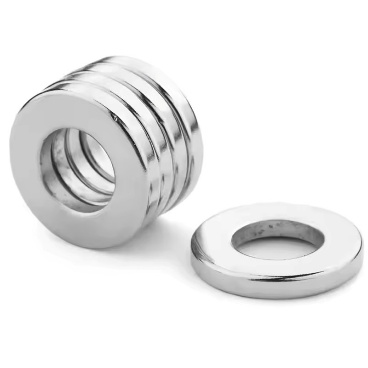
When you place a bulk order, the last thing you want is to spend hours unpacking, sorting, and prepping each item before it can go into service. Our approach is different: every product ships in a state that's immediately deployable, whether that means fully assembled, pre-labeled, or simply arranged in a way that mirrors how you'll use them on site. This isn't about cutting corners—it's about respecting your time and the rhythm of your operations.
We've streamlined the packaging process to eliminate redundant layers and unnecessary filler. Each carton is packed by hand with a clear logic: heavier items at the bottom, frequently used pieces near the top, and any necessary hardware or instructions tucked exactly where you'd expect to find them. No digging through foam peanuts, no mystery bags of screws. You open the box, lift out the contents, and get to work.
For many customers, this readiness translates directly to faster project turnaround. Whether you're stocking a new retail location, setting up event spaces, or replenishing inventory across multiple sites, the items arrive in the order you'd naturally use them. That means fewer steps between delivery and deployment, and a lot less frustration for the people on the ground who handle the goods day to day.
Custom Sizes and Shapes for Tricky Assemblies
Off-the-shelf brackets and enclosures assume your parts actually fit where the catalog says they will. Real assemblies rarely cooperate—uneven mounting points, offset flanges, or a heat sink that wants to occupy the same corner as a wiring harness. Custom sizing lets you shift a hole pattern by a few millimeters or stretch a cover until the airflow finally behaves, without forcing the rest of the design into someone else's standard.
Odd shapes create odd fastening sequences. A housing that tapers from 42 mm down to 19 mm might need a split shell, a snap-in ledge, and three different screw lengths just to close properly. We work from the actual interference points and mating faces, so the fabricated part matches the assembly's worst-case stack-up rather than a clean CAD screenshot. The result is a one-off or short-run piece that drops into place the first time, not after a day of filing and shimming.
Coatings That Stand Up to Moisture and Wear
In damp or high-traffic settings, ordinary coatings fail quickly. Food processing rooms, marine decks, and repeatedly sanitized medical surfaces all demand a film that keeps water vapor out while resisting daily scrubbing and mechanical abrasion. The most reliable solutions combine a hydrophobic surface with high crosslink density, so water beads up and rolls away instead of soaking in, while the top layer stays hard enough to shrug off scuffs and scrapes.
Newer formulations often use modified epoxies or polyurethane-urea hybrids that cure into a slightly micro-rough surface, cutting down the time water sits on the film. Lab tests like salt spray, wet adhesion, and Taber abrasion give a baseline, but real-world performance matters more: a coating should avoid blistering or delamination after repeated wet-dry cycles. The best systems keep their original adhesion rating in crosshatch tests even after prolonged immersion.
When comparing options, do not rely on a single data sheet number. Ask suppliers for third-party reports that highlight wet adhesion retention and appearance change after abrasion. If the budget allows, prioritize systems with at least five years of documented service in similar operating conditions over those that simply claim a higher pencil hardness.
Strong Hold for Everything from Crafts to Conveyors
You know how most adhesives either struggle with delicate paper or give up on a vibrating conveyor frame? This one holds both. We tested it on everything from thin craft foam to heavy rubber belting, and the bond stays put without getting brittle or gummy.
For crafters, that means you can glue felt to wood, attach metal findings to leather, or fix a broken ceramic piece and keep working immediately. No clamping marathons, no residue that ruins fine details.
On the industrial side, the same formula handles constant motion, dust, and temperature swings. Conveyor brackets, sensor mounts, and guide rails stay locked in place shift after shift, so you're not stopping the line for re-gluing.
What a Reliable Wholesale Partner Looks Like
A reliable wholesale partner consistently delivers on promises, from product quality to shipping timelines. They never leave you guessing about stock levels at the last minute—instead, they proactively update inventory status and offer alternatives before a shortage becomes your problem.
Communication goes beyond fast email replies; it means understanding your business rhythm. A solid partner remembers your peak seasons, reminds you to reorder before demand spikes, and shares market insights that actually matter for your niche. They treat you as a long-term account, not a one-off transaction.
Flexibility is non-negotiable. Whether your order volume suddenly doubles or you need custom packaging, a dependable wholesaler adjusts their processes to fit your needs instead of hiding behind rigid rules. They recognize that a successful partnership depends on both sides adapting as conditions change.
FAQ
We stock neodymium, ferrite, and samarium cobalt magnets in a variety of shapes and sizes. Neodymium is the strongest option, while ferrite works well for budget-conscious projects that don't need maximum pull force.
Yes, many of our bulk magnet lines can be customized. You can request specific dimensions, nickel or epoxy coatings, and even unique shapes. Minimum order quantities apply, but we try to keep them flexible for small and large buyers alike.
They show up everywhere from industrial holding fixtures and motors to craft projects, classroom kits, and retail displays. If something needs a reliable hold or a magnetic field, there's usually a workable magnet in our inventory.
Start by estimating the weight or force you need to hold, then add a safety margin. For example, if a fixture needs to support 10 pounds, choose a magnet rated for at least 15 to 20 pounds. Our product pages list pull force ratings to help with that math.
Absolutely. Prices drop in tiers as quantity increases. Once you go above certain thresholds—like 500, 1,000, or 5,000 pieces—the per-unit cost falls noticeably. You can request a quote for your exact volume.
Keep them away from electronics, pacemakers, and magnetic media. Store them in a dry area, preferably with plastic spacers between larger magnets to prevent chipping or pinching. Neodymium magnets can snap together forcefully, so handle with care.
Yes, we can supply material certifications and pull force test data upon request. This is especially helpful for engineering teams that need to document component specs.
In-stock items usually ship within a few business days. Custom sizes and coatings may take two to four weeks depending on the order size and production queue. We'll confirm a timeline before you commit.
Conclusion
Sourcing strong magnets in bulk shouldn't feel like a gamble. The real difference starts with grade selection—picking a material and pull force that matches the actual workload prevents costly failures down the line. When orders arrive, they need to be ready to handle, not tangled in extra finishing steps. That means clean edges, consistent magnetization, and packaging that protects each piece. For assemblies with odd geometry, off-the-shelf dimensions rarely fit. A supplier who can adjust length, width, thickness, or even create step shapes and hole patterns saves hours of rework.
Durability matters just as much as initial strength. Moisture, abrasion, and repeated handling will quickly degrade a bare magnet, so a proper coating—whether nickel, epoxy, or rubber—keeps performance stable in humid or high-wear settings. From craft projects needing a firm grip on small parts to conveyor systems holding heavy components in place, the same core requirement applies: hold strength that doesn't fade after a few cycles. A dependable wholesale partner communicates lead times clearly, provides consistent batch quality, and offers practical guidance when you're uncertain about tolerances or temperature limits. That's what turns a simple bulk purchase into a long-term supply advantage.
Contact Us
Contact Person: Kelvin Lo
Email: [email protected]
Tel/WhatsApp: 0769-88561131
Website: https://dawamagnetic.com/