

Shock Absorber Boot Company: Choosing the Right Boot for Maximum Suspension Protection
2026-10-30
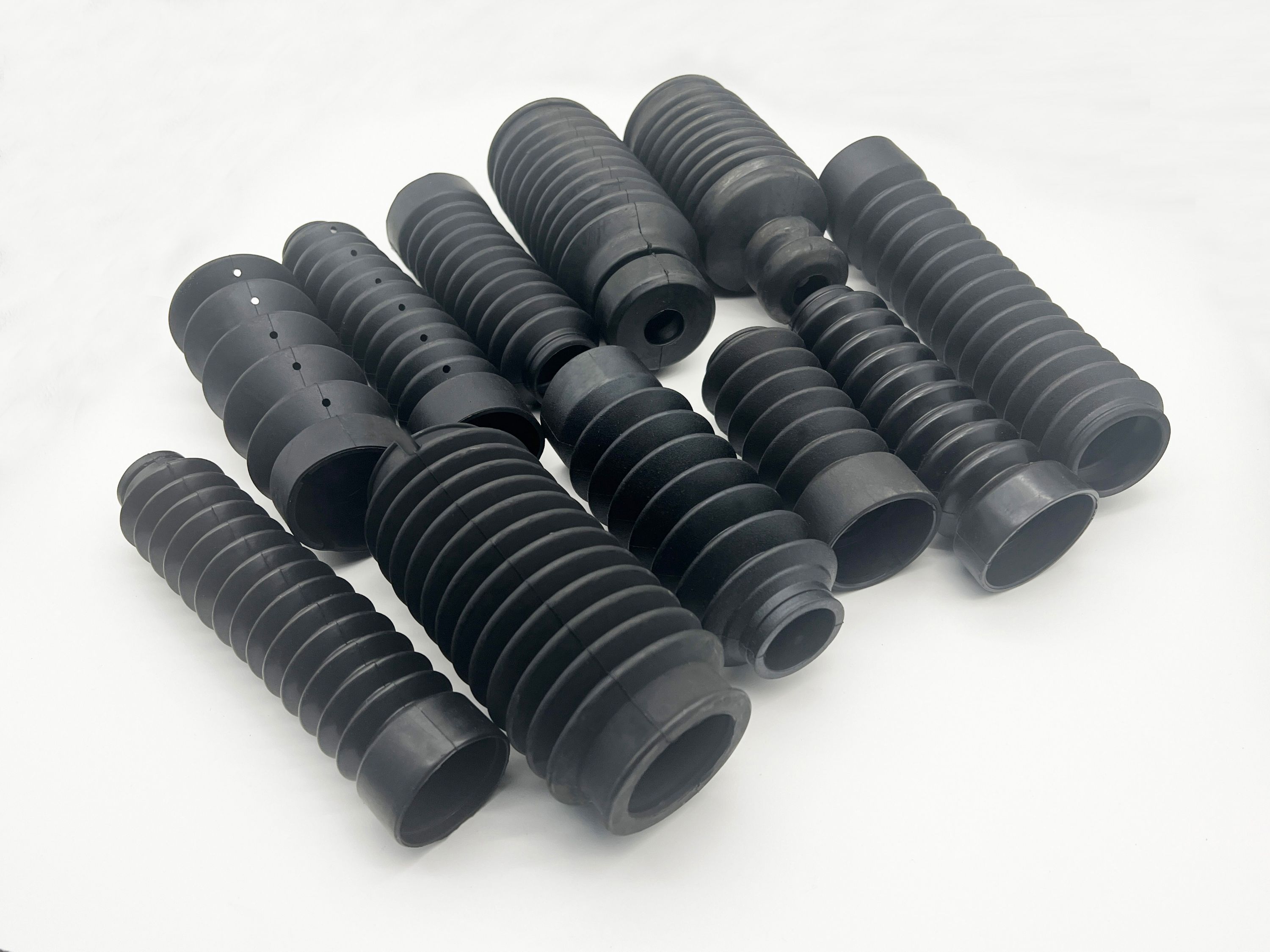
Your shock absorbers take a beating on every mile, but the real weak point is often the boot that shields them. A split or missing boot invites dirt, grit, and moisture straight into the seal, cutting service life fast. That's why the right boot isn't just a cover—it's the first line of suspension defense. XIAYI has focused on this overlooked component, combining material toughness with fit precision. Before you pick another generic boot, here's what separates real protection from a false sense of security.
Material First: Why the Right Compound Outlasts a Bargain Boot
A boot's lifespan is rarely decided by stitching alone. The outsole compound takes the brunt of every step, and cheap rubber blends tend to harden or crack within a season. A denser, well-cured rubber or a purpose-mixed polyurethane keeps its grip and flex long after the bargain pair has gone slick.
Uppers tell the same story. Bonded leather or thin PU coatings peel at stress points, while full-grain leather or tightly woven nylon holds structure through repeated bending. The upfront cost difference often comes down to how the material behaves at the crease line, not just on day one.
Midsole foam is another giveaway. Soft EVA feels plush in the store but compresses unevenly after a few hundred miles. Higher-density compounds or blended foams keep rebound longer, which means the boot stays comfortable well past the point where a bargain pair would feel dead underfoot.
Fit Is More Than Diameter: Getting the Flex Profile Right
Most riders assume a handlebar’s diameter dictates how it will feel under load, but that’s only a rough starting point. The real story lives in the flex profile—the way a bar bends along its length, from the stem clamp to the drops. Two bars with identical 31.8mm centers can behave completely differently depending on where the carbon plies are placed, how the tube tapers, and which sections are allowed to give. A bar that’s too stiff in the tops transmits every bit of road chatter straight into your palms, while excessive flex in the drops can make sprinting feel vague. Getting this balance right means mapping the forces your hands actually apply during different riding positions, not just chasing a single stiffness number.
Builders shape flex profiles through deliberate variations in wall thickness and fiber orientation. Thicker, unidirectional carbon near the clamp creates a firm anchor point that resists twisting under hard braking or climbing out of the saddle. Moving outward, the walls can thin slightly and the fibers shift to a more compliant angle, allowing micro-bends that absorb high-frequency vibrations before they reach your wrists. Some designs even stagger the flex zones—tuned for the hoods to yield a touch more than the tops, recognizing that most riders spend hours leaning on that position. The result isn’t a uniform spring; it’s a graduated response that stays predictable whether you’re cruising over chip seal or railing a descent.
On the road, the difference shows up as a quieter pair of hands. A bar with a well-tuned flex profile doesn’t feel soft or noodly; it feels as if the rough edges of the pavement have been filed down without removing your connection to the front tire. Riders who’ve spent years chasing the perfect saddle height or cleat angle often overlook this variable, yet a few millimeters of controlled bend at the right place can do more for long-ride comfort than an extra layer of bar tape. Diameter gets you in the ballpark, but the flex profile is what actually fits the bar to your hands.
Installation Mistakes That Shorten a Boot’s Life
Most boot failures start long before the first mile. A common mistake is forcing a boot onto a spindle or hub without checking for burrs or corrosion. Even tiny surface irregularities can chew up the inner race or seal, creating a path for dirt and moisture. Once that seal is compromised, grease leaks out and the boot’s life drops from years to weeks.
Another silent killer is over-tightening the clamp or flange bolts. It feels secure, but excessive torque distorts the metal shell and pinches the rubber, leading to cracks at the flex point. Those cracks might not show at idle, but under load they open up and let water in. Instead of guessing, use a torque wrench and follow the spec printed in the service manual—not the “one more turn” habit.
Finally, ignoring the mating surface alignment is a recipe for premature wear. If the boot is installed even a few degrees off-axis, the constant twisting motion works the rubber like a paperclip being bent back and forth. It fatigues, then splits along the seam. Spend an extra five minutes checking that the boot sits square and the clamp is evenly seated all the way around. That small pause saves you from a roadside failure.
Weather, Debris, and Road Salt: Matching the Boot to the Environment
Choosing the right boot for your environment starts with a clear-eyed look at what you'll actually be walking through. On wet, muddy trails, a waterproof membrane paired with an aggressive lug pattern keeps your feet dry and stable, but that same boot can feel stiff and heavy on a dry, rocky path where flexibility matters more. Think about the forecast and the terrain as a single equation: heavy rain and loose soil demand deep, widely spaced lugs and a gaiter-compatible collar, while hardpack snow or icy sidewalks benefit from a flatter sole with a softer rubber compound for grip on slick surfaces.
Debris is an often-overlooked factor that wears down boots long before the upper shows signs of age. Sand, gravel, and fine grit work their way into stitching and seams, acting like sandpaper on both leather and synthetic overlays. In areas with sharp volcanic rock or construction zones full of broken concrete, a boot with a full rubber rand around the toe and heel prevents premature abrasion. Similarly, if your route includes frequent creek crossings or dewy brush, look for a gusseted tongue that keeps small stones and twigs from slipping inside, and consider a denser mesh on the upper to shed what the trail throws at you.
Road salt and chemical deicers are brutal on footwear, especially in winter urban environments. Salt crystals draw moisture into leather, causing it to dry out and crack, while the residue leaves white stains that are nearly impossible to remove once set. For city winter use, a boot with a smooth, oiled leather finish or a synthetic shell is easier to wipe down after each outing. Avoid suede or nubuck, which trap salt and stain quickly. If you do wear leather in salted conditions, treat it weekly with a conditioner and rinse the boots with a damp cloth at the end of the day—never let salt sit overnight, as it will etch the surface permanently.
The Break-In Myth: What Quality Boots Should and Shouldn’t Do
A good pair of boots should feel snug but not punishing right out of the box. If your boots are chewing up your heels or crushing your toes, the problem isn't a break-in period—it's the fit or the construction. Leather will soften a little, but it won't magically change shape to accommodate a foot that doesn't belong in that last.
What you should expect is a short adjustment phase: slight stiffness in the shaft, a bit of tightness across the instep that eases within a few wears. What you shouldn't accept is numbness, blisters, or the advice to soak them and walk them dry. That's not heritage, it's just bad bootmaking.
The break-in myth persists because many people confuse discomfort with durability. A well-made boot is built on a last that matches human anatomy, so the break-in should be more about flex points and minor creasing than about pain. If a salesperson tells you that agony is normal, you're probably being sold a boot that doesn't fit.
Inspection Intervals: Catching Cracks Before They Cost a Shock
Regular inspection intervals aren't just a checkbox on a maintenance sheet—they're the difference between catching a hairline fracture early and dealing with a catastrophic failure later. A crack that starts as a barely visible line on a metal surface can grow under repeated stress, hiding in plain sight until the moment it snaps. By setting up a schedule that matches the component's real-world duty cycle, you give yourself a fighting chance to spot these flaws while they're still cheap to repair.
Figuring out the right interval takes more than a guess. You need to weigh the material's fatigue behavior, the load spectrum it actually sees, and the environment—corrosion, temperature swings, vibration. For critical parts, that might mean ultrasonic testing every few hundred cycles; for less demanding spots, a visual check once a quarter could be enough. The goal is to make the interval short enough that a crack can't reach critical size between inspections, but long enough that you're not wasting downtime on parts that don't need attention.
Skipping or stretching these windows has a way of backfiring at the worst possible time. A pump shaft that was fine last month can shear off mid-production, turning a $200 inspection into a $20,000 shutdown. The real value of a well-chosen inspection interval isn't the test itself—it's the early warning it gives you, so a small repair stays small instead of turning into a shock you never saw coming.
FAQ
It sits over the shock piston rod and keeps dirt, water, gravel, and road salt away from the seal. Once grit works past the seal, the shock loses fluid and damping fades. A good boot also prevents stone chips on the rod, which can tear the seal on every stroke. It's cheap insurance compared to replacing shocks early.
Match the boot to the shock's compressed and extended lengths, not just the vehicle model. The boot should fully cover the exposed rod at ride height without bunching or stretching. Measure the rod diameter as well—too tight restricts movement, too loose lets debris slip in. Some kits include universal accordion boots, but OE-style molded boots fit specific mounts better.
No, there's a real difference. Cheap rubber boots harden and crack after one or two winters. Polyurethane and thermoplastic elastomer boots resist ozone, UV, and road chemicals much longer. Some have built-in breather vents to prevent moisture trapping. If you drive in areas with heavy salt or extreme heat, avoid plain natural rubber and look for a boot rated for temperature extremes.
Definitely. For mostly highway driving, a standard rubber boot may be fine. But if you take the vehicle off-road, through mud, or over washboard roads, you need a thicker, more flexible boot that won't tear when the suspension cycles hard. Towing or hauling heavy loads also compresses the shock more, so the boot needs extra length and abrasive resistance.
Yes, and often faster than people think. The shock's rod seal is designed to keep oil in, not necessarily to scrape off fine grit. Once dirt gets embedded in the seal, it acts like sandpaper and wears the rod. You'll notice oil mist around the shock body, then reduced damping. A torn boot left for a few months can turn a $30 part into a full shock replacement.
Check the wall thickness, material type, and whether the accordion pleats are deep enough to flex without pinching. Look for boots with pre-cut drain holes or vents so condensation doesn't sit inside. Some brands include zip ties or clamps—flimsy ones fail quickly. Read the temperature range and UV resistance if the vehicle sits outside. A slightly higher price often means better plasticizers that keep the boot supple.
If the shock itself is still dry and damping well, replacing only the boot makes sense. But if there's any sign of oil leakage or the shock has more than 50,000 miles, you're already doing the labor to remove it—installing a complete strut or shock assembly with a new boot often costs less in the long run and restores ride quality.
Check them at every oil change or tire rotation. Look for cracks at the fold lines, missing chunks, or spots where the boot has slipped off the mount. If you can see the shiny shock rod through a tear, that's an immediate replacement. Also feel for oily residue on the outside—this means the shock is already leaking and the boot has failed to protect it.
Conclusion
Choosing the right shock absorber boot isn't just about grabbing any rubber sleeve off the shelf. The material compound dictates how long the boot will survive against constant flexing and road grime—cheap boots harden, crack, and let dirt into the shock body. But even high-grade polyurethane or rubber can fail if the flex profile is off. A boot that's too stiff in the middle tears at the pleats, while one that's too soft collapses and rubs the rod. Installation is where many boots die early: clamping the ends too tight pinches the material, and leaving the boot twisted after fitting creates stress points that split within months.
Environment matters just as much as initial quality. In coastal or winter-salt regions, a boot needs to resist chemical attack, not just water splash, while desert dust demands a tighter seal profile. Don't believe the old break-in myth—quality boots should flex smoothly from day one without needing to "loosen up." If a new boot feels stiff or rubs, that's a warning sign, not a feature. Finally, make inspection a habit: check for surface crazing, collapsed folds, or oil residue at every oil change. Catching a small crack early costs you a boot; missing it often costs you a shock.
Contact Us
Contact Person: Leela
Email: [email protected]
Tel/WhatsApp: 8613586885132
Website: https://www.xiayishockparts.com