

Optimizing Wire Reduction Rolling Mills: Key Manufacturing Strategies
2026-01-20
In the high-stakes world of wire manufacturing, every millisecond and micron counts. Yet, many rolling mills struggle with inefficiencies that drain resources and limit output—costing time, money, and competitive edge. What if you could transform those challenges into opportunities for unprecedented performance? Enter GRM, where innovation meets precision engineering. In this blog, we'll delve into cutting-edge strategies specifically designed for wire reduction rolling mills, from advanced process optimization to real-time monitoring techniques that slash downtime and boost quality. Discover how forward-thinking manufacturers are leveraging these approaches to not only meet but exceed industry benchmarks. Ready to revolutionize your operations? Let's explore the key tactics that are reshaping the future of wire production.
Advanced Process Control in Wire Rolling Operations
Unlike basic control systems that simply react to fluctuations, advanced process control in wire rolling actively anticipates changes in material properties and machine behavior. It leverages real-time data from sensors monitoring temperature, tension, and speed, integrating this with predictive models to adjust rolling parameters on the fly. This proactive approach minimizes defects like surface cracks or dimensional inconsistencies, ensuring each coil meets stringent quality standards without costly rework.
One standout aspect is its ability to handle complex alloys and custom wire shapes, where traditional methods often fall short. By employing adaptive algorithms, the system fine-tunes pressure and roll gap settings dynamically, compensating for variables such as metal hardness or lubrication variations. This not only boosts yield but also extends equipment life by reducing mechanical stress, making it a game-changer for high-volume production lines.
In practice, this technology transforms wire rolling from a straightforward mechanical task into a data-driven art. Operators gain insights through intuitive dashboards that highlight trends and anomalies, empowering them to make informed adjustments rather than relying on trial and error. The result is a more consistent product output, reduced energy consumption, and a competitive edge in markets demanding precision and reliability.
Integration of IoT Sensors for Real-Time Monitoring
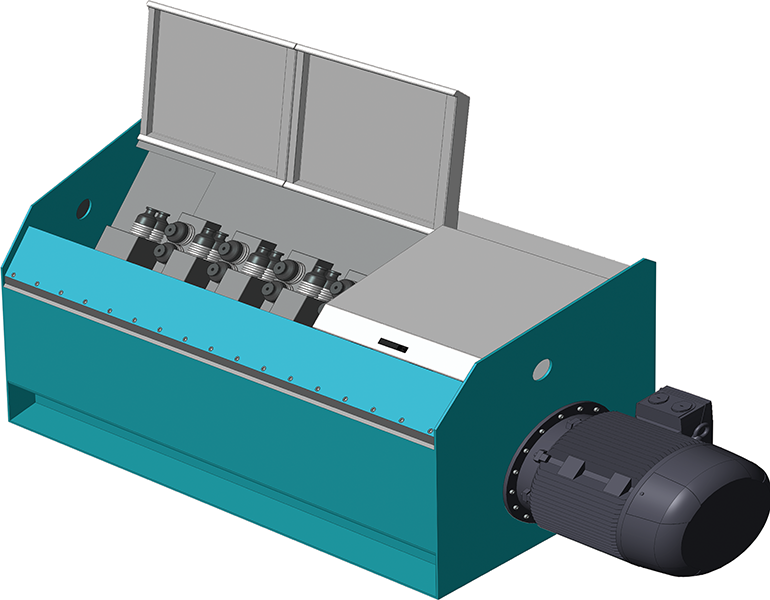
Integrating IoT sensors into monitoring systems transforms how data is collected and utilized in real-time, enabling immediate insights that drive faster decision-making. By connecting sensors across various environments—from industrial floors to smart homes—these systems gather continuous streams of information, such as temperature fluctuations or equipment performance metrics. This seamless connectivity allows for proactive responses to anomalies, reducing downtime and enhancing overall efficiency without the delays associated with traditional manual checks.
Beyond basic data collection, this integration leverages advanced analytics to process sensor inputs on-the-fly, identifying patterns and predicting potential issues before they escalate. For instance, in agriculture, soil moisture sensors can trigger automated irrigation systems when levels drop, optimizing water usage and crop health. This dynamic approach not only saves resources but also adapts to changing conditions, offering a tailored monitoring solution that evolves with operational needs, making it more resilient and cost-effective.
In practice, real-time monitoring through IoT sensors fosters a more interconnected ecosystem, where data flows seamlessly between devices and central platforms. This enables comprehensive oversight, from tracking energy consumption in buildings to monitoring patient vitals in healthcare settings. By integrating diverse sensor types, organizations can achieve a holistic view of their operations, empowering them to make informed, timely adjustments that enhance safety, sustainability, and performance across the board.
Customized Alloy Development for Enhanced Durability
In today's fast-paced industrial landscape, achieving superior durability in materials isn't just a bonus—it's a necessity. Customized alloy development steps in as a game-changer, tailoring compositions to meet specific environmental or mechanical demands. Instead of settling for off-the-shelf solutions, engineers can now design alloys that resist corrosion, wear, and fatigue in ways standard metals simply can't match. This approach allows for fine-tuning elements like chromium or nickel to boost performance, ensuring parts last longer under extreme conditions.
What sets this process apart is its adaptability. By integrating advanced techniques such as powder metallurgy or additive manufacturing, we can create alloys with unique microstructures that enhance toughness and strength. Imagine an alloy developed specifically for aerospace applications, where weight reduction and heat resistance are critical; customization makes this possible without compromising safety. It's not just about making things harder or stronger—it's about crafting materials that excel in their specific roles, reducing maintenance costs and downtime across industries.
Energy-Efficient Heating and Cooling Techniques
Implementing energy-efficient heating and cooling methods can significantly reduce energy consumption and utility costs while maintaining indoor comfort. Techniques such as programmable thermostats allow users to set temperature schedules that align with daily routines, minimizing energy waste during unoccupied periods. Additionally, proper insulation and sealing of windows and doors prevent heat loss in winter and keep cool air inside during summer, enhancing overall system efficiency. Regular maintenance of HVAC systems, including cleaning filters and checking for leaks, ensures optimal performance and extends equipment lifespan.
Advanced technologies like heat pumps offer a versatile solution by transferring heat rather than generating it, making them highly efficient for both heating and cooling needs. In colder climates, geothermal systems utilize stable ground temperatures to provide consistent heating with minimal electricity use. For cooling, evaporative coolers use water evaporation to lower air temperature, consuming less energy than traditional air conditioners in dry regions. Integrating smart home systems can further optimize energy use by automating adjustments based on real-time weather data and occupancy sensors.
Behavioral changes also play a crucial role in energy efficiency. Simple actions like using ceiling fans to circulate air can reduce reliance on AC units, while closing blinds during hot days blocks solar heat gain. In commercial settings, energy management systems monitor and adjust HVAC operations across multiple zones, cutting costs without sacrificing comfort. By combining these techniques, individuals and organizations can achieve substantial energy savings and contribute to environmental sustainability through reduced carbon emissions.
Predictive Maintenance Strategies to Minimize Downtime
Imagine catching a critical equipment failure just before it brings your entire production line to a grinding halt. That's the power of predictive maintenance, shifting away from reactive fixes or rigid schedules. It leverages tools like sensors and IoT devices to continuously monitor machine health, gathering data on vibration, temperature, and energy usage. By analyzing these patterns with advanced algorithms, maintenance teams can identify subtle anomalies and predict failures with precision. This proactive approach not only slashes unscheduled downtime but also extends asset life and boosts operational efficiency, transforming maintenance from a cost center into a strategic advantage.
Effective implementation revolves around smart data integration and actionable insights. Key strategies include deploying condition-based monitoring systems that track real-time performance metrics, allowing for timely interventions before minor issues escalate. For instance, in manufacturing, using acoustic sensors to detect irregular noises in motors can signal bearing wear, enabling targeted repairs. Additionally, predictive analytics models learn from historical data to forecast component failures, optimizing spare parts inventory and reducing unnecessary maintenance. This ensures resources are focused where they’re needed most, minimizing disruptions and cutting costs in the long run.
To truly minimize downtime, it's crucial to foster a culture of collaboration between maintenance staff and data analysts. Training teams to interpret predictive alerts and respond swiftly is as vital as the technology itself. By integrating predictive systems with enterprise software, companies can automate workflows and schedule maintenance during planned outages. This synergy between human expertise and digital tools empowers organizations to stay ahead of failures, enhancing reliability and driving continuous improvement in today’s competitive landscape.
Automation and Robotics in Mill Setup and Operation
In the heart of modern milling operations, automation and robotics are no longer just buzzwords but integral components that redefine efficiency and precision. Picture robotic arms seamlessly loading raw materials into milling machines, guided by sophisticated sensors that ensure perfect alignment every single time. This isn't about replacing human touch; it's about augmenting it, allowing operators to focus on higher-level tasks like quality control and process optimization while machines handle the repetitive heavy lifting. The transition from manual setups to automated systems has slashed downtime dramatically, turning what used to be hours of calibration into minutes of automated precision.
What truly sets today's robotic milling apart is the level of adaptability embedded in these systems. Advanced programming and machine learning algorithms enable robots to adjust in real-time to variations in material properties or tool wear, something that static automation of the past struggled with. Imagine a milling setup where the robot not only positions the workpiece but also continuously monitors spindle speed and feed rates, tweaking parameters on the fly to maintain optimal cutting conditions. This dynamic responsiveness reduces waste and extends tool life, contributing to a more sustainable and cost-effective operation that stands out in crowded industrial landscapes.
Beyond the immediate shop floor, the integration of robotics into milling setup fosters a new era of data-driven decision-making. Each automated action generates a stream of data—from cycle times to vibration analysis—that can be analyzed to predict maintenance needs or refine production schedules. This holistic approach transforms milling from a isolated task into a connected component of smart manufacturing ecosystems, where insights gleaned from robotic operations inform everything from supply chain logistics to product design iterations, ensuring mills remain agile and competitive in fast-moving markets.
FAQ
The main objectives focus on increasing production efficiency, reducing material waste, and improving wire quality through enhanced precision and control in the rolling process.
Implementing advanced automation systems allows for real-time monitoring and adjustments, leading to higher consistency in wire dimensions and reduced downtime due to human error.
Choosing the right alloys and raw materials is crucial, as it affects durability, flexibility, and the final product's performance in applications like electrical wiring or construction.
Regular predictive maintenance, using sensors to detect wear early, and scheduling downtime strategically help prevent costly breakdowns and extend equipment lifespan.
Precise temperature management during rolling prevents defects like cracking or uneven surfaces, ensuring the wire meets stringent industry standards for strength and ductility.
Recent advancements include AI-driven predictive analytics for process optimization and the integration of sustainable practices, such as energy-efficient motors and recycling scrap materials.
Conclusion
Optimizing wire reduction rolling mills requires a holistic approach that integrates advanced manufacturing strategies to enhance efficiency, quality, and sustainability. Key to this is the implementation of advanced process control systems, which fine-tune rolling operations for consistent output and reduced material waste. Coupled with IoT sensors, these controls enable real-time monitoring of parameters like temperature and pressure, allowing operators to make immediate adjustments and prevent defects. Additionally, customized alloy development plays a crucial role by tailoring materials to specific applications, improving durability and performance under high-stress conditions. These strategies collectively contribute to smoother mill operations and higher-quality wire products, setting a foundation for modern manufacturing excellence.
Beyond process and material innovations, energy-efficient techniques and predictive maintenance are vital for long-term optimization. Employing advanced heating and cooling methods reduces energy consumption and environmental impact, while predictive maintenance strategies utilize data analytics to foresee equipment failures, minimizing costly downtime. Automation and robotics further enhance mill setup and operation by increasing precision and speed, reducing human error, and ensuring safer working environments. By blending these elements—from energy savings and proactive upkeep to robotic integration—manufacturers can achieve a competitive edge, driving continuous improvement and operational resilience in wire reduction rolling mills.
Contact Us
Contact Person: Rayna
Email: [email protected]
Tel/WhatsApp: 86 -173 1474 6343
Website: https://www.grmrollingmill.com/