
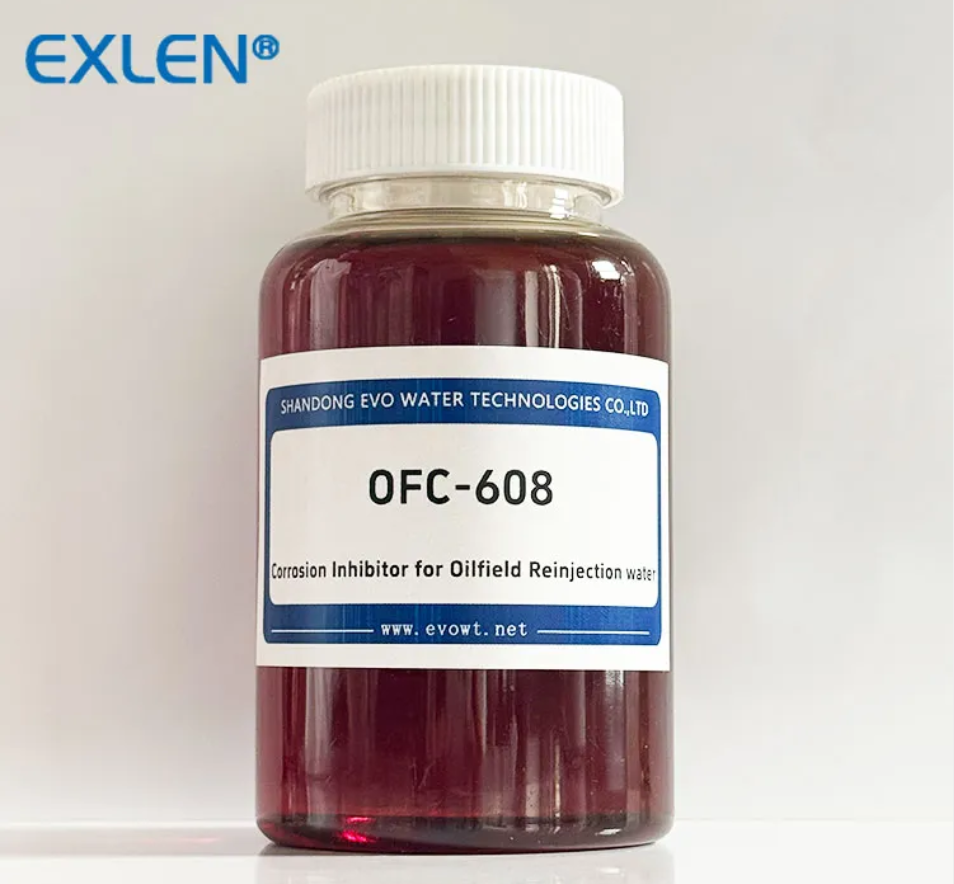
Oilfield Reinjection Water Corrosion Inhibitor Supplier: Safeguarding Your Pipeline Integrity
2026-07-13
Corrosion in oilfield reinjection water systems is a relentless threat, slowly eating away at pipeline integrity and driving up maintenance costs. Without the right inhibitor, even the sturdiest infrastructure can fail prematurely. As a trusted EVO supplier, we’ve seen how a precisely formulated solution can transform system reliability—and we’re here to share how you can achieve the same.
The Hidden Costs of Pipeline Corrosion in Reinjection Systems
Pipeline corrosion in reinjection systems rarely announces itself with dramatic failures. More often, it operates as a slow bleed on operational budgets, eroding profit margins through steadily rising maintenance demands, unplanned shutdowns, and incremental efficiency losses that go unnoticed until they become severe. The financial impact accumulates across multiple fronts—replacement parts, labor, and production downtime—but the most insidious element is the gradual decline in system performance. As internal surfaces roughen and scale builds, friction increases, forcing pumps to work harder and driving up energy consumption month after month. These costs are rarely isolated as a single line item, blending instead into broader operational expenses where they escape scrutiny.
Beyond the immediate repair bills and energy waste, there are indirect consequences that compound over time. Corrosion byproducts can contaminate downstream processes, damaging valves, seals, and instrumentation, which triggers a cascade of secondary failures. In water reinjection applications, for example, iron oxide particles may plug formation pores, reducing injectivity and ultimately compromising reservoir pressure support. Remediation often requires acidizing or workovers—expensive interventions that could have been avoided. Meanwhile, environmental compliance risks creep in: a pinhole leak that might be dismissed as minor can escalate into a reportable spill, drawing regulatory fines and reputational damage. These hidden costs are frequently underestimated because they don't materialize all at once, but their cumulative weight often dwarfs the initial investment in a corrosion management plan.
What makes these expenses particularly difficult to address is the fragmented responsibility for corrosion control across engineering, maintenance, and operations teams. Without a unified approach, critical warning signs—like changes in fluid chemistry or pressure drops—get lost in data silos. Short-term budget cycles further discourage proactive solutions, as the return on investment for protective coatings, chemical inhibitors, or upgraded materials may not be realized within a single fiscal year. As a result, operators often find themselves locked into a reactive cycle, treating symptoms rather than root causes. Shifting this mindset requires acknowledging that every dollar spent on prevention can avert many more in deferred repairs and lost production—a realization that comes only when the hidden costs are brought into the light.
How Corrosion Inhibitors Preserve Flow Assurance
In oil and gas production, the internal surfaces of pipelines are constantly exposed to aggressive fluids that can trigger corrosion. When left unchecked, this degradation not only weakens the pipe wall but also releases solid byproducts—such as iron sulfide or iron carbonate scales—that accumulate and obstruct flow. Even a small pit can nucleate a deposit that grows into a partial blockage, increasing pressure drop and reducing throughput. Corrosion inhibitors work by forming a protective molecular film on the metal, effectively decoupling the steel from the corrosive medium. This film prevents the initiation of the very reactions that would otherwise generate debris, thereby keeping the pipe bore clear and the flow regime stable.
Beyond simply shielding the metal, modern inhibitors are designed to disperse into the aqueous phase and migrate to all water-wetted surfaces, including low-velocity zones where solids tend to settle. By maintaining a persistent layer even under turbulent conditions, they stop localized corrosion cells from creating rough patches that can trip up production. Operators rely on precise dosage controls—often guided by corrosion monitoring probes and residual inhibitor measurements—to ensure that the film remains intact without overdosing, which could itself lead to emulsion or foaming issues. This careful balance keeps flowlines running smoothly, avoiding the costly downtime and intervention needed to mechanically clean or replace corroded sections.
The synergy between corrosion management and flow assurance becomes especially critical in deep water or subsea tiebacks, where any restriction is exponentially more expensive to remedy. Here, continuous inhibitor injection is a frontline strategy, often combined with periodic pigging to sweep away any solids that might have formed despite the chemical protection. Over the life of a field, a well-chosen corrosion inhibitor not only preserves the asset’s mechanical integrity but also sustains the flow capacity that directly determines revenue. In this sense, the chemical is not merely an additive—it’s an essential component of the production system’s reliability.
Selecting a Supplier with Deep Oilfield Expertise
When evaluating potential suppliers, the depth of their oilfield expertise makes a tangible difference in every project phase—from initial feasibility studies to final commissioning. A supplier with hands-on field experience understands the geological complexities, equipment demands, and logistical hurdles that come with harsh operating environments. They can anticipate issues before they arise, such as corrosion challenges in high-H2S fields or sand management in unconsolidated formations, because they've already lived through them. This kind of practical knowledge translates into smarter design choices, faster troubleshooting, and fewer costly downtime events down the line.
True oilfield expertise also shows up in a supplier's ability to tailor solutions rather than push off-the-shelf products. Experienced providers know that every basin has its quirks—whether it's scaling tendencies in the Permian, paraffin buildup in the Bakken, or high-temperature electronics needs in deepwater Gulf of Mexico. They invest in custom chemical programs, specialized coatings, or modular equipment configurations that align with your specific reservoir characteristics. Moreover, they often bring tried-and-tested relationships with local service crews and regulatory bodies, smoothing the path for permitting and on-site execution so you can focus on core operations instead of administrative firefighting.
Beyond technical know-how, a supplier's field history often reveals how reliably they perform under pressure. Look for evidence of root-cause analysis from past failures, not just a glossy portfolio of successes. Veteran suppliers who've endured price downturns, rig count fluctuations, and supply chain disruptions tend to build resilience into their own processes—and they extend that stability to their clients. They'll stockpile critical spares, maintain regional warehouses, and offer after-hours engineering support without making you jump through hoops. Ultimately, selecting a partner with deep oilfield expertise means choosing someone who treats your challenges like their own, because they understand that in this industry, reputation is forged one well site at a time.
Custom Formulations That Match Your Water Chemistry
Every water source tells its own story—mineral content, pH balance, and local impurities shape how products perform in your home. Off-the-shelf solutions rarely account for these nuances, leaving you with lackluster results. Our approach begins with a deep dive into your specific water profile, analyzing everything from hardness to trace elements. This isn't a one-size-fits-all guess; it's a precise match that allows your daily rituals to work exactly as intended, whether you're brewing coffee or caring for delicate fabrics.
By customizing each blend to your water's unique fingerprint, we unlock a noticeable difference in texture and effectiveness. Hard water warriors might see boosted cleaning power, while those with soft water can enjoy richer lather without residue. The result is a quiet synergy—ingredients that sing with your plumbing instead of fighting against it. No more wasted product or puzzling underperformance, just a seamless fit that feels like it was always meant to be.
Think of it as a partnership between science and your sink, where hydration and purity start with understanding what flows from your tap. We strip away complexity and replace it with thoughtful formulation, transforming an overlooked variable into your home's hidden advantage.
Real-World Results: Extended Pipeline Lifespan
Industrial operators across oil and gas, chemical processing, and water treatment have reported outcomes that defy conventional replacement schedules. One midstream company noticed its crude oil transfer line, originally slated for a 15-year service window, was still performing with negligible wall loss at year 18—thanks to a combination of internal coatings and real-time corrosion monitoring. Rather than following a calendar-based swap, their team used sensor data to pinpoint sections needing only minor repairs, turning what could have been a multimillion-dollar replacement into a targeted maintenance budget line.
The shift toward predictive upkeep has quietly reshaped cost structures. Where unplanned outages once ate up roughly 12% of operational hours, the same facilities now see downtime in the low single digits. Maintenance crews are no longer chasing emergency leaks; instead, they schedule interventions during pre-planned windows, often guided by ultrasonic thickness readings that reveal exactly where the pipe wall is thinning. This shift doesn't just avoid spills and shutdowns—it extends the useful life of pipelines by decades in some instances, all while reducing the environmental footprint associated with manufacturing and installing new steel.
Beyond the balance sheet, these extended lifespans translate into less disruption for communities and ecosystems along pipeline routes. By keeping the original infrastructure in the ground longer, operators minimize land disturbance and construction traffic. The accumulated savings in material, fuel, and labor have allowed several firms to redirect capital toward advanced leak detection systems and greener energy transitions without sacrificing reliability. For asset managers who once saw pipelines as finite resources, the evidence is clear: the right combination of monitoring, materials, and maintenance philosophy can push boundaries well past the original design assumptions.
Proactive Strategies for Long-Term Integrity Management
Sustaining asset integrity over decades demands more than routine inspections—it requires embedding foresight into daily operations. A proactive approach shifts the focus from reacting to failures to anticipating them, weaving together real-time condition monitoring, risk-based prioritization, and adaptive maintenance planning. By treating every piece of equipment as part of an interconnected system, organizations can identify subtle performance shifts that often precede larger issues, allowing interventions before safety or production is compromised.
Building this capability starts with breaking down silos between engineering, operations, and data teams. When corrosion specialists collaborate with process engineers, they can uncover hidden stressors like flow-induced vibration or chemical incompatibilities that lone datasets miss. Advanced analytics then transform these insights into predictive models, but the real magic lies in cultivating a workforce that instinctively questions anomalies rather than normalizing them. Over time, this cultural shift turns integrity management from a compliance checkbox into a strategic advantage.
Long-term success hinges on balancing innovation with practicality. While drones and AI-driven corrosion mapping offer exciting possibilities, their value multiplies when grounded in decades of failure histories and material behavior knowledge. Effective strategies blend cutting-edge tools with time-tested wisdom, ensuring that as assets age, the organization's vigilance matures alongside them—constantly refining thresholds, updating risk profiles, and never assuming yesterday's safety margins are sufficient for tomorrow.
FAQ
A dependable supplier doesn’t just provide chemicals—they bring field-tested expertise, custom formulations tailored to your specific water chemistry, and a track record of reducing failure rates in high-pressure injection systems. They’ll typically offer on-site support, real-time monitoring, and a willingness to tweak the inhibitor package as conditions change.
These inhibitors form a protective film on the metal surface, effectively blocking corrosive agents like dissolved oxygen, CO2, and H2S from attacking the steel. They can also neutralize acids and disrupt electrochemical reactions that lead to pitting and wall loss. It’s a chemical shield that adapts to flowing water and varying temperatures.
Watch for subtle changes: unexplained pressure drops, a rise in iron counts in water samples, or increased turbidity. You might also see localized corrosion during pigging inspections or unexpected thickness losses in ultrasonic tests. Even with inhibitors, if dosing isn’t optimized, micro-environments can form and cause trouble.
Hardly. Produced water, aquifer water, or mixed sources each have unique mineral content, pH, and microbial activity. A product that excels in sweet systems with high bicarbonates could fall flat in sour, high-salinity brines. That’s why a thorough water analysis and jar testing are non-negotiable before committing to any inhibitor.
Beyond the initial recommendation, a proactive supplier will continuously monitor system performance—adjusting for seasonal temperature shifts, changes in water production rates, or new well tie-ins. They might set up automated dosing pumps that respond to real-time corrosion monitoring probes, ensuring you’re not over- or under-treating.
It shortens the supply chain, which means faster delivery and reduced transportation risks. More importantly, a local manufacturer can quickly respond to formulation changes needed for region-specific water conditions, and they’re often more accessible for on-site troubleshooting. Plus, it supports the local oilfield service ecosystem.
Look for third-party certifications, complete safety data sheets that go beyond the basics, and a transparent approach to chemical disclosure. A supplier serious about sustainability will provide biodegradable inhibitor options, proper containment systems for storage, and assistance with meeting discharge regulations for treated water.
Conclusion
Pipeline corrosion in oilfield reinjection systems isn't just a maintenance headache—it's a silent profit drain. Beyond the obvious expenses of repair and replacement, undetected wall loss can trigger unplanned shutdowns, environmental incidents from leaks, and regulatory penalties that no operator wants to face. Effective corrosion inhibitors do far more than slow metal loss; they preserve flow assurance by maintaining internal surface integrity, preventing the buildup of corrosion byproducts that can choke lines and disrupt injectivity. Yet the real differentiator lies in partnering with a supplier who brings deep, practical oilfield expertise rather than a one-size-fits-all product. The best providers invest time in understanding your unique water chemistry—whether high chlorides, dissolved oxygen, or microbial activity—and craft custom formulations that target the specific corrosive agents at play. This isn't about off-the-shelf solutions; it's about engineered chemistry that adapts as conditions evolve.
Field data from mature assets shows that with the right inhibitor program, pipelines originally designed for 15 years of service are safely reaching 25 or even 30 years. Real-world case studies reflect not just extended lifespan but also reduced pigging frequency, fewer leaks, and lower total operating costs. Beyond the chemical drum, a forward-thinking supplier helps you implement proactive integrity management—routine water analysis, corrosion coupon monitoring, and timely product adjustments—so that small problems never escalate into catastrophic failures. This holistic approach turns a simple supplier relationship into a long-term asset integrity partnership, safeguarding your pipeline infrastructure for decades and ensuring that every barrel of produced water moves safely, efficiently, and predictably.
Contact Us
Contact Person: Fiona Su
Email: [email protected]
Tel/WhatsApp: 8619963724144
Website: https://www.evo-chemical.com/