

OEM Dust Collectors: How to Choose the Right System for Your Facility
2026-09-03
Every facility has its own dust challenges—whether it's fine particulates, heavy debris, or explosive materials. Choosing an OEM dust collector that actually works for your operation goes beyond a catalog pick. It means weighing airflow, filter media, footprint, and long-term maintenance. In this post, we'll walk you through the decision-making process so you don't end up with a system that fights you. Need a partner who treats your facility as unique? Fanchang Machinery builds dust collectors around your specific needs, not the other way around.
Know Your Dust: The First Step That Shapes the System
Every dust collection project starts with a deceptively simple question: what exactly is floating in the air? It’s tempting to treat all particulate as the same gray nuisance, but dust has personality—particle size distribution, moisture content, abrasiveness, and even electrostatic charge. Skipping this characterization phase is like prescribing medication without a diagnosis. The first step isn’t choosing a fan or filter; it’s running sieve analysis, microscopy, and moisture tests to build a true profile of the material you’re dealing with.
That profile dictates everything downstream. A fine, sticky dust demands lower can velocity and PTFE-coated filter media, while coarse, abrasive particles might call for ceramic-lined inlets and heavier gauge ductwork. Combustible dusts like flour or aluminum require explosion venting, grounding, and isolation valves that would be unnecessary for inert limestone. Even the same material behaves differently at different moisture levels—damp dust clumps and blinds filters, while bone-dry dust can become a respiratory hazard and static cling nightmare. Knowing your dust means knowing which failure modes you’re designing against.
In practice, this means pulling samples from multiple points over time, not just a single grab from a convenient spot. Process variations—startup, shutdown, seasonal humidity changes—alter dust characteristics. A system sized for average conditions will struggle at extremes. When engineers shortcut this step, the result is predictable: filters that blind in weeks, ducts that wear through, or worse, a dust collector that can’t keep up and forces production to slow down. The first step isn’t glamorous, but it’s the difference between a system that runs for decades and one that becomes a maintenance sinkhole.
Airflow Numbers That Fit Your Facility, Not a Catalog
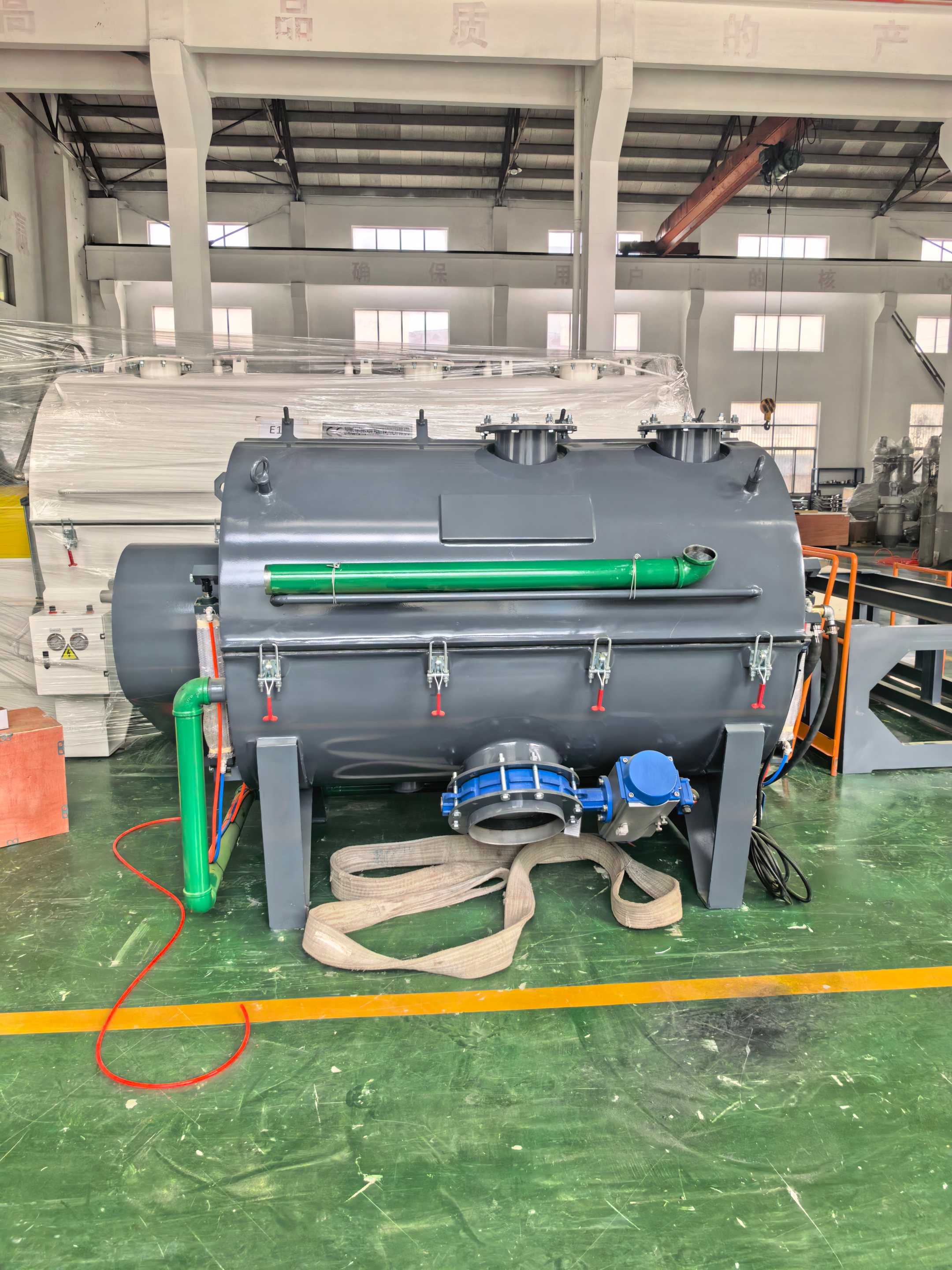
Every facility has its own pressure drops, duct losses, and filter loading curves. We don’t hand you a chart from a brochure and hope it works. Instead, we map your actual system resistance, account for altitude and humidity, and then pin down the airflow number that keeps your process stable—not just a generic rating that looks good on paper.
You won’t find a one-size-fits-all CFM here. Our team pulls real measurements from your layout, checks fan curves against your static pressure, and adjusts for the elbows, dampers, and transitions that catalogs ignore. The result is a number you can trust at 3 a.m. when the line is running full tilt.
Stop settling for airflow specs that were calculated for someone else’s building. We dial in the velocity, volume, and pressure to match your exact ductwork and filter bank—so you get the performance your facility demands, without paying for airflow you can’t use.
Filter Media Choices When Micron Ratings Aren’t Enough
Micron ratings are often treated as the final word on filter performance, but anyone who works with filtration long enough learns they are just a starting point. A media sample labeled 10 microns absolute might have a narrow, well-controlled pore size distribution, while another with the same rating could have a scatter of openings that lets occasional larger particles slip through. The rating itself doesn’t reveal whether the media relies on surface capture or depth loading, nor does it say anything about how the pore structure shifts under pressure.
Beyond the number, the physical construction of the media shapes actual behavior in service. Depth media made from melt-blown fibers or cellulose can hold far more contaminant before reaching terminal pressure drop than a thin membrane with an identical micron claim. Fiber orientation, basis weight, and any post-treatment like resin bonding or electrostatic charging all change how particles are captured, released, or re-entrained. A filter that looks great on a datasheet might plug quickly in a system with pulsing flow or high sludge loading because its voids are too shallow.
The only reliable way to choose media when micron ratings fall short is to test with the real fluid and operating conditions. Temperature swings can soften polymer fibers, viscous fluids can blind a tightly rated sheet, and chemical exposure can degrade binders long before the stated pore size changes. Run side-by-side trials, measure pressure drop over time, and inspect used cartridges or bags. That data tells you far more about life and capture efficiency than any single number printed on a spec sheet.
Build for the Worst Day: Sizing for Peak Loads
Sizing for peak loads starts with accepting that averages are nearly useless. The worst day doesn't arrive as a gentle upward trend; it shows up as a sudden spike from a heatwave, a product launch, or a regional outage elsewhere that redirects traffic your way. If your capacity plan only covers the mean, that day will reveal every shortcut you took.
Building for the worst day doesn't mean you build everything for a theoretical maximum. That path leads to idle capacity and budgets that bleed. Instead, separate the peaks that repeat from the ones that are truly exceptional. Permanent infrastructure should handle the first; temporary or elastic resources can absorb the second. This distinction often saves more than any generic overprovisioning rule.
A practical approach is to list your worst-day scenarios and stack them against each other: peak traffic plus highest temperature plus one key component offline. Then decide what must survive that hour versus what can degrade or queue. That way the system holds up when the worst day arrives, without paying twelve months of cost for six hours of stress.
Regulatory Boxes to Tick Before You Sign Off
Before you finalize any project, a quick sweep of regulatory obligations can save you from costly rework. Start by confirming that your documentation aligns with industry-specific standards, from data protection rules to environmental disclosures. It’s easy to overlook a clause buried in a compliance checklist, yet that single missed item can delay sign-off for weeks.
Next, verify that every required approval is captured in writing—verbal nods won’t hold up under audit. Cross-reference your sign-off list against the latest regulatory updates; frameworks shift more often than teams realize. If a new rule took effect last quarter and your checklist predates it, you’re already out of sync.
Finally, assign clear ownership for each compliance box. When responsibility is diffuse, boxes stay unticked. A named person per item, with a deadline and evidence trail, turns a passive list into an active gate. Only then is your sign-off defensible, not just decorative.
The Hidden Costs of Parts and Service After Installation
People tend to focus on the upfront equipment price, but the real drain often begins once the unit is running. Take commercial refrigeration as an example: a low-cost walk-in cooler might need a proprietary control board that costs four times more than a generic alternative, and if a non-certified tech touches it, the manufacturer voids the warranty. This kind of parts lock-in quietly pushes ownership costs far beyond the original quote.
Service billing is another area where the final number rarely matches expectations. Many vendors separate trip charges, diagnostic time, and mileage, so even a quick fix like replacing a worn door gasket can turn into a two-hour minimum labor bill with unexpected add-ons. For businesses outside major metro areas, slow response times compound the problem, turning a minor fault into a full day of lost revenue that is never shown on the invoice.
A more practical approach is to demand a complete parts price list and standard service rate card before signing anything. Ask which consumables and wear items you are allowed to replace yourself without affecting coverage. Comparing only installation quotes hides the larger picture; calculating the likely parts and labor spend over the first three years gives a far more honest view of what the equipment will actually cost.
FAQ
Start by identifying every machine or process that generates dust. Add up the recommended capture velocities and duct diameters from equipment manuals, then factor in the velocity needed to keep particles suspended in the ductwork. A common mistake is sizing only for current production; leave at least 10-15% extra capacity for future lines or occasional heavy dust loads. For fine or toxic dust, higher air speed is usually safer, but too much velocity can wear out ducts and waste energy.
Particle size, abrasiveness, moisture content, and temperature all shape the choice. Very fine dust often needs cartridge filters with surface-loading media like PTFE membrane, while larger, fibrous particles may do fine with standard cellulose or polyester bags. If the dust is sticky or hygroscopic, a filter with a smooth release surface and a good pulse-cleaning system will prevent blinded filters. Always request a dust sample test from the OEM before locking in media.
If your dust is combustible, common with wood, metal, flour, plastics, and many chemicals, the collector can become an ignition source or explosion vessel. You need to evaluate Kst and Pmax values, then consider explosion venting, flameless venting, isolation valves, or chemical suppression. Ignoring this can lead to regulatory fines and catastrophic failures. An experienced OEM will guide you through NFPA or ATEX requirements rather than just selling a standard unit.
A central system works well when dust sources are clustered, but long duct runs add static pressure losses and energy costs. If production areas are spread out or you have frequent layout changes, multiple smaller collectors placed near the source reduce ductwork and improve capture efficiency. Look at ceiling height, available floor space, and how often you reconfigure lines before deciding.
Filter replacements, compressed air for pulse cleaning, fan energy, and disposal of collected dust are the big ones. Cheap filters may need replacing twice as often, so compare cost per operating hour, not upfront price. Also check the warranty on fans and pulse valves, and ask about expected filter life under your specific dust load. A slightly more expensive collector with efficient cleaning can pay for itself in less than two years.
Go custom when your dust is unusual, space is tight, or your process has strict temperature, corrosion, or sanitary requirements. Standard models often force compromises, like reworking ductwork or accepting lower filtration efficiency. A good OEM will modify hood connections, filter access, hopper angle, or materials to match your exact operation, saving you from expensive retrofits later.
Ask for a performance curve at your site's altitude and temperature, not just a brochure spec. Request case studies from similar facilities, especially for dust types like yours. Clarify who handles installation support, commissioning, and after-sales filter supply. Finally, ask about lead times for critical spare parts. If you wait six weeks for a replacement pulse valve, downtime can wipe out any initial savings.
Conclusion
Selecting an OEM dust collector starts with a hard look at what you are actually capturing. A powder that seems harmless can be hygroscopic, abrasive, or combustible, and those traits dictate everything from inlet design to grounding. Instead of pulling airflow figures from a generic catalog, measure the real pressure drops across your duct runs and hoods; an oversized blower wastes energy, while an undersized one lets dust settle in places you cannot see. Filter media selection goes beyond a micron number. A bag that works for sawdust may blind quickly with sticky or oily particulate, so weigh synthetic nonwovens, pleated cartridges, or surface-loading membranes against temperature, moisture, and chemical exposure.
Size for the worst shift, not the average day. If operators run multiple pickup points at once or a process surges, the collector must handle peak dust load without losing suction. Before signing off, confirm the unit meets NFPA combustible dust standards and any local air permits; retrofitting explosion venting later is costly. Then look past the purchase price. Filter changeouts, compressed air consumption, disposal fees, and access for service often dwarf the initial cost. A well-chosen OEM system fits your facility's actual rhythm, so ask for a performance curve under your conditions, not just a brochure number, and verify lead times for replacement parts before committing.
Contact Us
Contact Person: Darye WANG
Email: [email protected]
Tel/WhatsApp: 86-13501017897
Website: https://www.fcntd.com/