
ODM Catamaran Ferry Brings a New Level of Stability and Speed to Island Routes
2026-11-18
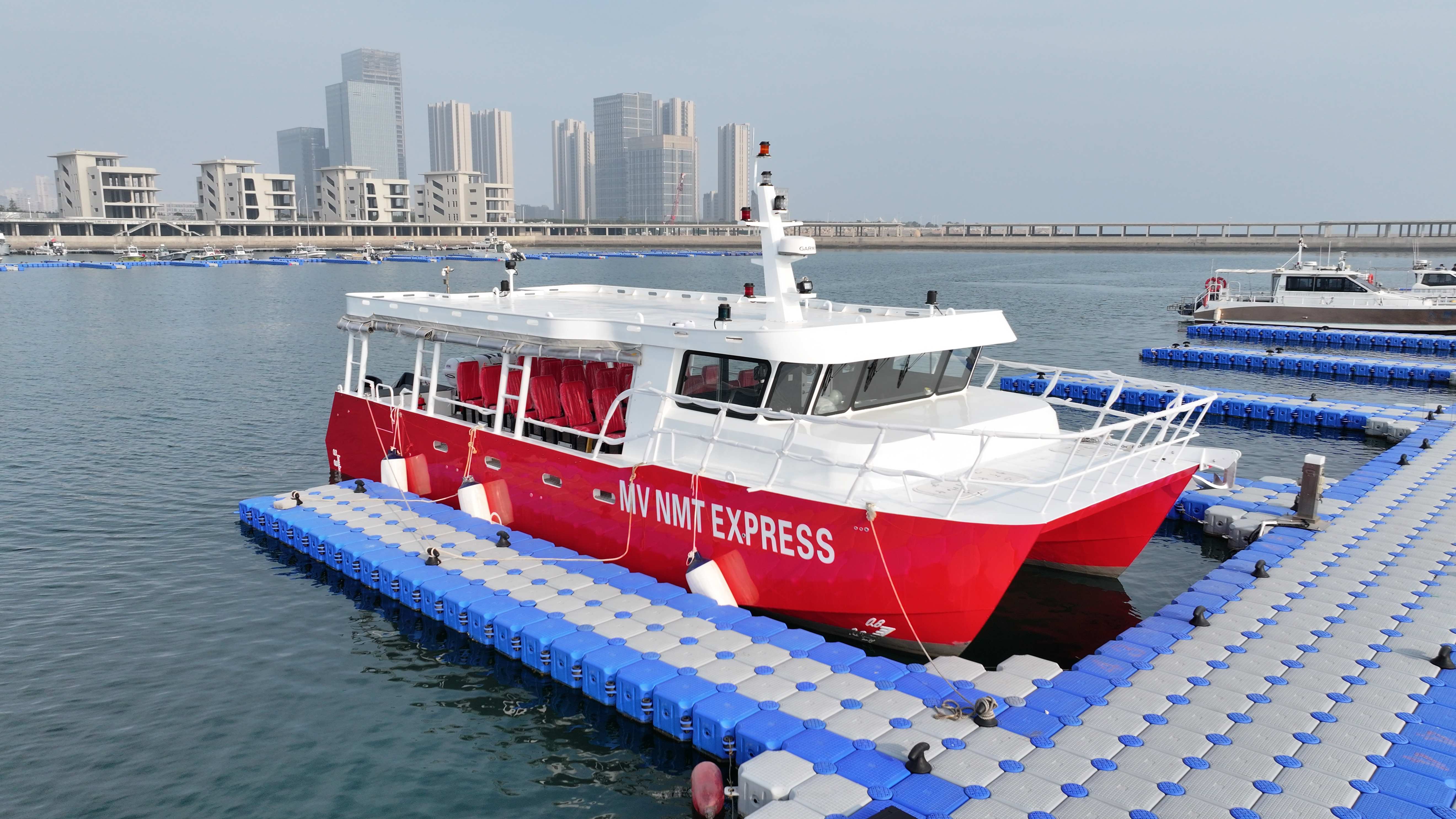
Island routes have long forced operators to choose between a smooth ride and a fast one—until now. The ODM catamaran ferry reworks that trade-off with a hull design that holds steady in rough water while keeping schedule times short. Built around insights from Allheart, this new class of ferry is quickly becoming the reference point for reliable, passenger-friendly island transit.
How the Twin-Hull Design Changes Passenger Comfort on Open Water
On open water, comfort rarely comes from seat padding. It comes from how predictably the deck behaves when the sea turns uneven. A twin-hull boat splits its buoyancy into two widely spaced hulls, which gives the vessel a much wider stance than a single-hull design. Passing swells and wakes that would normally roll a monohull deep to one side often tilt a catamaran only a few degrees, letting passengers stay seated without bracing themselves.
That stability has its own feel, though. The boat does not roll gently like a single hull; instead it tends to ride flatter and react to the water in quicker, shorter movements. In confused swell or steep chop, the shallow tunnel between the hulls can smack the surface and send a sharp thump through the deck. Some people find this more tiring than the slow lean of a conventional ferry, especially on long crossings.
The real comfort advantage is space and stance. Because the hulls sit far apart, there is less sudden sideways lurch, and the wide beam allows a larger, more open passenger deck. When the sea builds, people can move seats, face the horizon, or find a steadier spot without the constant rail-gripping that rough water often forces on narrower boats.
Cutting Travel Time Without Making the Ride Feel Rushed
A quicker trip rarely comes from pushing harder on the accelerator. It comes from trimming the hidden fat in a journey: the extra minutes spent waiting at a transfer point, the missed signal cycles, the boarding bottlenecks that make everyone shuffle forward with their heads down. When those small frictions are removed, the total time drops in a way that feels almost invisible. The ride itself stays calm, but the clock says you arrived sooner.
Good scheduling plays a bigger role than speed. Leaving a few minutes earlier or later can slip a vehicle past a predictable wave of congestion, while better platform placement and timed connections let passengers move without that breathless sprint across a terminal. None of this asks people to rush. It simply stops punishing them for small mismatches in timing. Over a week of trips, those saved minutes add up without a single white-knuckle moment.
Clear information also changes how time is felt. When riders can see that the next leg is already lined up, or that a slight route shift avoids a known delay, they relax. The trip may be shorter on paper, but it never reads as hurried because the waiting has been designed out, not the comfort. Speed should be something riders notice only after they arrive.
Why Island Operators Are Rethinking Traditional Ferry Layouts
For years the standard ferry deck followed a simple logic: pack in as many vehicles as possible, keep foot passengers upstairs, and hope the weather cooperates. That formula is cracking as island routes face sharper peaks in visitor numbers, larger delivery trucks, and growing demand for comfortable work space during crossings. Operators are noticing that a layout designed around a 1990s traffic mix no longer matches how people actually move between islands today.
Some terminals now see more bicycles, e-bikes, and small cargo vans than private cars, which has pushed deck markings and lane widths into review. Instead of fixed vehicle bays, a growing number of ferries are testing convertible zones that can shift between tourist luggage trolleys, refrigerated pallets, and extra seating depending on the sailing. This kind of flexible space sounds simple, but it changes boarding sequences, safety briefings, and even the way crew members direct traffic on the ramp.
There is also a quieter reason behind the rethink: dwell time. Traditional layouts often force slow unloading because cars, foot passengers, and freight all compete for the same narrow corridor. By separating flows earlier and rethinking stair placement, island operators can cut turnaround times without buying bigger vessels. In places where the ferry is the only practical link, those saved minutes accumulate into more reliable schedules and fewer missed connections on the other side.
What the ODM Catamaran Does Differently in Choppy Conditions
Most catamarans stiffen up the moment the sea gets short and steep, but the ODM takes a different line: the forward sections of each hull are shaped to part the water rather than climb over it. This shifts the point of impact further aft and lets the bridge deck stay clear of the bigger crests, so the typical slamming rhythm is replaced by a softer, more irregular motion. The result is less of that bow-down hesitation before each wave, which makes a real difference when you are threading through a confused inlet or running against a fresh breeze.
Weight placement also does a lot of quiet work. Instead of pushing heavy systems into the outer hulls, the ODM keeps them clustered around the center of buoyancy and low in the deck structure. In messy conditions this keeps the boat from developing the pendulum-like yaw that turns a rough afternoon into an exhausting one. The hulls stay loaded evenly, and the steering keeps enough bite to correct course without big rudder inputs.
The deck layout is set up for water to get off the boat just as quickly as it comes aboard. Scuppers and drain channels run straight through the bulwarks rather than taking a long path aft, and the cockpit coamings are shaped to deflect spray instead of funneling it. Small choices like that matter when a quartering sea keeps breaking over the leeward side, because the boat never carries the extra weight or gives the next wave a wet, slippery deck to work with.
Boarding, Loading, and Turning Around Faster at Busy Docks
A dock that falls behind schedule usually does not suffer from a lack of effort, but from a handful of small delays that quietly stack up. The quickest gains often come from clearing the path before the vessel even touches the fenders. Pre-staging pallets in the exact order they will be loaded, positioning forklifts and crew on the correct side of the dock, and confirming paperwork during approach all shave minutes that are rarely recovered later. When every hand knows which lane to use and what to grab first, the boat spends less time sitting idle while people look for answers.
Once loading begins, the goal shifts from speed alone to rhythm. Assigning fixed roles helps more than chasing the busiest task, because a crew that rotates roles without a clear pattern tends to create bottlenecks at the ramp. Simple visual cues, such as colored tape for hold sections or laminated cards showing where each skid belongs, let new or returning workers act without stopping to ask. On busy days, a dedicated spotter near the gangway can direct foot traffic and keep the turning path clear, often doing more for turnaround time than an extra pair of hands in the hold.
The turnaround itself is a separate discipline. A vessel leaving the dock late can often be traced to a decision made thirty minutes earlier, like blocking the stern line with a stack of empties or letting a delivery truck park across the departure lane. Clearing the apron before loading finishes, having mooring lines ready to slip in a set order, and confirming engine readiness with the bridge while cargo is still moving all help the next departure start clean. Docks that treat the last ten minutes of one stop as the first ten minutes of the next tend to move more boats per hour without adding crew or changing equipment.
The Design Details That Help Reduce Motion Sickness on Longer Crossings
On longer ferry rides and overnight crossings, much of the discomfort starts with low-frequency motion rather than rough seas alone. Designers pay close attention to how a vessel rolls in a beam swell, often fitting stabiliser fins or anti-roll tanks that change the timing of the movement. The goal is not to stop motion entirely, but to shift it away from the rhythm that most easily upsets the inner ear. Lower aft decks and midship cabins tend to feel calmer for the same reason, because their movement path is shorter and slower than what passengers experience near the bow.
Sightlines matter more than people expect. When the horizon is visible through large windows, the eyes and balance system receive matching signals, which reduces the confusion that leads to nausea. On some newer vessels, seating is angled toward forward-facing views, and walkways are arranged so passengers can glance outside while moving through the ship. Ventilation also plays a quiet role: steady fresh air, moderate cabin temperatures, and low odour levels help keep the body from tipping into discomfort during longer transits.
Smaller material choices add up as well. Flicker-free lighting, soft glare control, and restrained colour contrasts in corridors make it easier for the brain to hold a stable sense of orientation. Even the placement of handrails and the width of staircases can reduce the need for sudden head movements. Together, these details make a long crossing less draining, even when sea conditions are far from perfect.
FAQ
It pairs a twin-hull design with advanced ride control, so passengers feel less rolling and the boat holds a steady line even when swells come from the side.
Its shallow draft and high maneuverability let captains keep schedules in tight harbors and variable weather, which means fewer delays and more dependable crossings.
The wide beam across the two hulls spreads buoyancy outward, cutting down the corkscrew motion that often makes conventional ferries uncomfortable.
Depending on load and sea state, service speeds generally sit in the 25 to 30 knot range, with enough reserve power to maintain headway in choppy conditions.
Faster turnaround allows more daily departures, so remote islands get better access to goods, medical trips, school commutes, and tourist visits without waiting for a single midday sailing.
No, the layout places cabins and deck seating above the wave impact zone, and the motion-dampening hull form keeps the ride smoother than many single-hull ferries at similar speeds.
Short to medium inter-island links, resort transfers, and commuter runs where docking space is limited and seasonal winds can build a short, steep chop.
It can be configured with bow and stern ramps or side boarding, and the shallow draft lets it use basic jetties that deeper vessels cannot approach safely.
Conclusion
The ODM catamaran's twin-hull platform changes how passengers experience open-water island runs. Instead of slamming into swells the way a monohull often does, the two hulls spread the contact across a wider beam and let the boat ride with less roll and pitch. That extra stability shows up most on longer crossings, where repeated motion can leave people tired or queasy. The design also opens up deck layouts that older ferries could not support, giving operators more room to arrange seating, luggage, and boarding flows without forcing everyone through a single narrow corridor. That makes a noticeable difference when a route has several hours of exposed water.
Speed gains come from the hull efficiency rather than simply pushing more power through the water, so shorter trip times do not feel rushed or rough. In choppy conditions the catamaran holds a steadier line, and the reduced slamming means passengers are less likely to feel the usual jarring that contributes to motion sickness. Even at higher service speeds, the ride stays predictable enough for passengers to move about the cabin safely. At busy docks the wider entry points and simpler deck flow cut turnaround times, letting crews load passengers, vehicles, and stores with fewer bottlenecks. For island operators, that combination of quicker crossings, calmer motion, and faster dock cycles makes the ODM catamaran a practical rethink of what a ferry should offer.
Contact Us
Contact Person: Benny Hu
Email: [email protected]
Tel/WhatsApp: +8618354225697
Website: https://www.allheartmarine.com/