

High Tenacity Polyester Filament Yarn Exporter Checklist for Sourcing Success
2026-10-26
Sourcing high tenacity polyester filament yarn can feel like navigating a maze of supplier claims and quality trade-offs. One missed detail—from tensile strength to consistent denier—can derail your entire production line. That’s why we’ve distilled hard-won lessons from the factory floor into a practical exporter checklist. Whether you’re vetting a new partner or auditing an existing one, this guide cuts through the noise. And if you’re looking for a supplier that already checks every box, Changshu Polyester has spent years refining exactly what global buyers need to see before they sign the contract.
Tensile Strength Claims Mean Little Without Independent Testing
A manufacturer can print any number on a spec sheet, but tensile strength without third-party verification is closer to marketing copy than engineering data. Some suppliers test their own products in-house, pick the best sample from a batch, and then publish that figure as if every roll will perform identically. In reality, slight variations in raw material sourcing, curing time, or even ambient humidity during production can shift the actual strength by double-digit percentages. Without a neutral lab repeating the test on randomly selected samples, the published number tells you more about the company's optimism than about the product you will receive.
Independent testing also matters because different standards produce different numbers. A fabric rated at 500 pounds under ASTM D5034 may fail at 380 pounds under ISO 13934-1, simply because the grip width, jaw speed, and specimen preparation differ. If a supplier only cites the most flattering standard, or fails to mention which one they used, you are comparing apples to a marketing brochure. An independent report forces the test method into the open, letting you evaluate whether the number applies to your actual loading conditions, not just to a lab exercise designed to inflate the result.
The practical consequences show up on the jobsite. A contractor who buys based on an unverified claim may discover that seams tear at half the expected load, or that the material creeps and elongates under sustained tension far more than the spec suggested. Independent testing often reveals a spread of results across samples, and that spread is just as important as the average. A product with an average tensile strength of 600 pounds but a range from 450 to 750 is riskier than one with an average of 580 and a range from 560 to 600. The only way to know that spread is to demand test reports from a lab that has no financial stake in the sale.
Polymer Source Stability: The Backbone of Consistent Tenacity
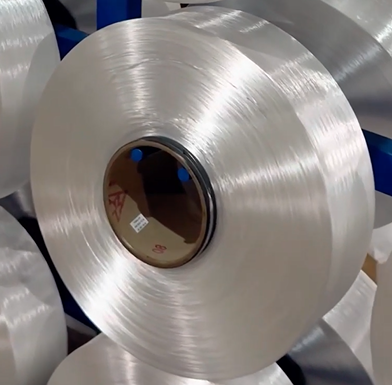
The reliability of polymer-sourced materials often hinges on the consistency of the raw feedstock. When manufacturers tap into a stable source, the molecular weight distribution and branching characteristics remain remarkably uniform batch after batch. This uniformity translates directly into predictable melt flow behavior during processing, reducing the need for constant recalibration of extrusion or molding equipment. Without such stability, even minor fluctuations in the source can introduce subtle shifts in crystallinity, leading to parts that look identical on the surface yet behave differently under repeated stress.
From a mechanical standpoint, the backbone of consistent tenacity emerges when the polymer chains themselves are allowed to form regular entanglements. A stable source minimizes the presence of low-molecular-weight fractions or unintended comonomers that act as weak points in the final network. During tensile loading, these weak points initiate microcracks that propagate along chain boundaries, ultimately compromising the material's ability to resist fracture. A well-controlled source, however, ensures that the distribution of chain lengths remains narrow enough to prevent premature chain slippage, while still offering enough polydispersity for processability.
Beyond the polymer itself, the stability of the source extends to the additives and fillers that are often blended in. If the base resin varies from lot to lot, the interaction between the matrix and reinforcing agents becomes unpredictable. This can manifest as inconsistent interfacial adhesion, where one batch exhibits excellent load transfer while another fails at the filler-matrix boundary. By locking down a reliable polymer source, compounders and end-users alike gain a foundation upon which they can build durable products with reproducible toughness, rather than chasing performance fluctuations that erode confidence in the final application.
Quality Control Frequency: What Do Their Records Actually Show?
A quick look at a supplier's quality control log often tells a different story than their sales pitch. One sheet might claim "100% inspection on every batch," but the actual entries show gaps of two or three weeks between checks. Sometimes the dates are clustered right before a scheduled audit, or a rush order gets a single signature with no measurement data attached. Those patterns matter more than the policy posted on the wall.
Records also reveal shortcuts through what's missing. A line for "non-conforming units" left blank for six straight months is not a sign of perfect production—it usually means the inspector isn't recording defects, or the checks aren't happening at all. Watch for identical timestamps across multiple shifts, the same person signing off on weekends and holidays, or vague notes like "ok" instead of actual readings. These are fingerprints of a form being filled out to satisfy a checklist, not to catch problems.
When you dig into the frequency over a longer stretch, the real picture gets clearer. A factory might inspect every lot during slow months, then drop to once a week when orders pile up. That's when bad parts slip through. Ask for the raw log, not a summary. Count the inspections per week, look for gaps around production changes or new staff training, and compare the dates to shipping records. If the last check on a product was ten days before it left the warehouse, the "strict QC" claim doesn't hold up.
Shipping and Handling: Where Tenacity Can Be Lost
The moment a package leaves the production line, it enters an unpredictable world of vibration, impact, and temperature swings. For products that rely on a specific level of tenacity—whether that's an adhesive bond, a coating's grip, or a material's structural resilience—the journey through sorting facilities and delivery trucks can quietly erode what was carefully engineered. A drop of just a few inches on a conveyor, repeated hundreds of times, creates micro-fractures that don't show up on a final inspection but surface later in the field.
Humidity and heat are especially unforgiving during transit. A sealed container sitting on a tarmac in summer can push internal temperatures past the point where certain polymers start to soften, reducing their ability to spring back. Even without visible damage, the cumulative effect of these conditions can lower the threshold at which a product fails under stress. What felt unbreakable in the warehouse may arrive at the customer's door with only a fraction of its original toughness.
This is not a matter of poor packaging alone. The reality is that standard shipping methods were never designed to protect the fine margins that high-performance materials depend on. The only way to preserve tenacity from dock to doorstep is to test against the actual abuse of the route, not just the static conditions of a lab. Without that, every mile traveled becomes a small negotiation between the product and the environment—and the product doesn't always win.
Production Samples vs. Showroom Spools: A Telling Difference
Showroom spools tend to be finished by hand, with carefully controlled tension and a fresh coat of sizing that makes the thread look smoother and more lustrous than it will ever be on a factory floor. They are essentially a sales tool, not a promise of what arrives in the carton. Production samples, on the other hand, are pulled straight from the same bobbins that feed the actual knitting or weaving line, so they carry the faint unevenness of machine winding and the honest color shift that comes from high-speed dyeing.
That difference becomes obvious the moment you hold both under the same light. A showroom spool might appear a shade deeper because its dye bath was smaller and fresher, while the production sample shows the true, slightly muted tone that a bulk batch develops. Buyers who skip the production sample and trust the showroom version often end up with a fabric that looks a half-tone off from the approved swatch, and by then the cutting table has already done its work.
Destination Market Compliance: Avoiding Costly Surprises
Expanding into a new market often feels like stepping onto a moving train: the excitement of growth can quickly be derailed by regulatory blind spots. Many companies focus on product fit and logistics while overlooking local labeling laws, data residency rules, or environmental packaging mandates. The result isn't just a fine—it's a halted shipment, a forced recall, or a damaged reputation that takes quarters to repair. Treat compliance as a design constraint from day one, not a post-launch audit item, and you'll sidestep the most expensive surprises.
Start by mapping the specific obligations tied to your product category and sales channel. For example, consumer electronics sold in the EU must meet CE marking and WEEE recycling directives, while the same item shipped to California triggers Prop 65 warning requirements. A proactive compliance calendar—aligned with local holidays, customs inspection cycles, and certification renewal dates—prevents last-minute scrambling. Build a small network of on-the-ground legal counsel or trade advisors who understand the nuance between written regulation and actual enforcement practice.
Finally, document every decision and keep version-controlled evidence of compliance. When an inspector questions your labeling or a distributor requests proof of origin, having a tidy digital trail turns a potential standoff into a routine check. Budget for compliance as a fixed cost of entry, not a contingency line. The companies that thrive in new markets aren't the ones with the biggest launch budget—they're the ones that never have to explain why their goods are stuck in a warehouse.
FAQ
Focus on tenacity (typically at least 7.0 cN/dtex), elongation at break, shrinkage, and denier consistency. Request batch-wise test reports rather than generic marketing datasheets, because even small variations in these values can disrupt downstream weaving or coating processes.
Ask for recent audit reports, a live video tour of the spinning and drawing lines, and the names of their raw material suppliers. Also check whether they run continuous polymerization or rely on purchased chips, as this affects traceability and lot-to-lot uniformity.
Poor packaging leads to yarn damage, moisture ingress, and telescoping on cones. Confirm the exporter uses moisture-barrier wraps, reinforced cartons, and proper palletization. Ask for photos of a packed shipment before dispatch, not just brochure images.
They should readily share lot-wise test certificates, certificate of origin, a packing list with net and gross weights, a bill of lading template, and compliance documents like REACH or OEKO-TEX if required. Delays in providing these often signal a trading company with limited control over the actual product.
Request data from at least three previous production lots, not just one sample. Look at the standard deviation of tenacity and elongation. A reliable exporter will also explain their in-line quality gates, such as automatic tension monitoring and yarn clearers.
Be wary of vague incoterms, reluctance to name the loading port, or inability to coordinate third-party inspection. Confirm the exporter has experience with the destination country's customs requirements and can handle LCL or FCL without last-minute changes.
A manufacturer offers direct accountability for quality and faster technical support. A trading company may provide a wider product range but often lacks control over production. If using a trader, ask which factory will produce your order and request a factory audit.
Test the yarn on your actual machinery, not just in a lab. Check unwinding behavior, package build, and dye uptake if applicable. Compare the sample's denier, tenacity, and shrinkage against the datasheet, and keep a sealed reference sample from the same lot for dispute resolution.
Conclusion
Most tensile strength data sheets you get from a high tenacity polyester filament yarn exporter are only as good as the lab behind them. Ask for raw test reports from an independent, ISO-accredited facility—not a summary table the sales team copied from a brochure. If they hesitate, that tells you everything. Equally important is the polymer source. Ask where the chips come from, how often the resin supplier changes, and whether they track melt viscosity across deliveries. A low-cost exporter that switches polymer suppliers every quarter to save a few cents will never give you the same yarn twice. And don't settle for vague promises about quality control. Request actual QC logs for the last six months, not a certificate on the wall. Look for test frequency per lot, acceptable tolerance ranges, and what happens to off-spec material. An exporter who records tenacity, elongation, and shrinkage on every single order—and can show you the raw numbers—is rare and worth keeping.
Tenacity can also disappear after the yarn leaves the factory floor. Ask how they control winding tension, protect cones from moisture, and load containers for long-haul shipping. A beautiful spec sheet means nothing if the yarn arrives crushed, damp, or with broken filaments from poor handling. Then compare the samples they send you with what you'd actually receive. Showroom spools are often hand-selected or even re-spun for presentation. Request a random production sample pulled from the exact batch they plan to ship for you. If they won't do that, walk away. Finally, check destination market compliance before you commit. A yarn that meets one country's standards may fail another's flammability, chemical, or labeling requirements. Get the full compliance documentation—REACH, CPSIA, or local equivalents—and verify the test dates. The cheapest offer quickly becomes expensive when a container gets held at customs or rejected by your own buyers.
Contact Us
Contact Person: CONNIE
Email: [email protected]
Tel/WhatsApp: 86-0512-53671634
Website: https://www.lida-yarn.com/