

Executive Office Chair Supplier Guide: How to Find Quality Seating for Your Team
2026-10-21
Finding an executive office chair supplier who actually delivers on comfort, durability, and style can feel like a wild goose chase. Your team spends hours seated, and the wrong chairs quietly drain productivity and morale. That's why we put together this straightforward guide — and why we trust OFCJNS for seating that holds up. Stick around if you'd rather skip the guesswork.
Map Out How Your Team Works Before You Browse
Before you start comparing tools or platforms, take a hard look at how your team actually gets work done. Document the real steps people follow, not the idealized process from months ago. Where do requests come in? Who hands off to whom? What stalls waiting for approval? These details reveal the friction points that any new software will either fix or worsen. Skipping this step means you end up shopping for features instead of solving problems.
Once you have a clear picture of the workflow, name the gaps. Maybe your team communicates in three different places, or status updates live inside one person's head. Write those down as specific needs, not vague wishes like better collaboration. For example, the design lead needs to see change requests within one hour is actionable; we need more synergy is not. That list becomes your criteria for evaluating whatever you browse next. Without it, a slick demo can easily sway you, even if it doesn't match how your team operates.
Look Past the Leather: What Actually Holds Up
Most people rub the surface of a leather bag or jacket and think they’ve judged the quality. But the real story is underneath. The lining, for instance—cheap synthetic fabric turns into a shredded mess within months, while a tightly woven cotton or wool blend can survive a decade of keys and coins scraping against it. Then there’s the stitching. A single straight stitch along a high-stress seam will pop open like a zipper on a crowded train, but a double saddle stitch or a bound edge holds tight even when you overstuff the thing.
Another detail that separates keepers from landfill fodder is how the hardware and stress points are built. Thin electroplated buckles start showing green corrosion before the first rainy season ends, whereas solid brass or stainless steel clasps keep their smooth action after thousands of openings. And don’t overlook the hidden reinforcements—extra leather patches behind strap attachments, folded edges at corners, or rivets that anchor the base to the body. These aren’t cosmetic extras; they’re the difference between a bag that sags and splits after six months and one that still looks sharp when the leather has developed a deep, rich patina.
Ask Suppliers the Questions That Reveal Gaps
Most buyer-supplier conversations stay on the surface: lead times, pricing, minimum order quantities. But if you only ask about what’s already working, you’ll never see where the relationship could break. Instead, probe for operational blind spots. Ask how they handle a sudden 30% spike in demand, or what happens when a key raw material shipment gets delayed at customs. Listen for hesitation, vague answers, or an over-reliance on “we’ve never had that problem.” Those are the gaps hiding in plain sight.
Another line of questioning targets their own supplier health. Ask who their backup vendors are, and whether they’ve audited them in the past twelve months. If they can’t name a secondary source for critical components, your supply chain is one accident away from a standstill. Don’t accept “we have long-standing partners” as an answer—ask for the last time they tested that backup line. Real resilience is proven, not promised.
Finally, ask about failure recovery. If a batch fails quality inspection on your end, what’s their exact process for root cause analysis and containment? Do they have a documented corrective action procedure, or is it just “we’ll sort it out”? Suppliers who can walk you through a recent nonconformance—and show measurable changes made afterward—are far less likely to repeat the mistake. Those who deflect or minimize are revealing a gap you can’t afford to ignore.
The Hidden Cost of a Chair That Feels Fine on Day One
A quick sit test tells you almost nothing about how a chair will treat your spine after the third hour. Plush foam and a soft recline can mask a lack of adjustable lumbar depth or a seat pan that's just slightly too shallow, so you don't notice the strain until you're already deep into an afternoon of deadlines.
By month four, the hidden costs start showing up in ways that matter: the foam compresses unevenly, the gas lift begins to sink, and you start shifting in your seat every few minutes without realizing why. That's when people often blame their own posture or the workload, instead of the chair that felt perfectly fine on day one.
The real expense isn't the price tag on a cheap chair—it's buying two or three of them over the same number of years, plus the lost concentration, tight shoulders, and that dull lower-back ache that follows you home. A chair that only has to survive a demo room won't necessarily support the way you actually work, and the bill for that mistake keeps arriving long after the initial comfort fades.
Why Adjustability Matters More Than a Fancy Label
Walk into any store and you'll see rows of products shouting for attention with glossy badges and designer names. It's easy to get pulled in by that sleek logo, but here's the thing: a fancy label won't stop your back from aching after an hour of sitting. What actually matters is whether the chair, desk, or whatever you're eyeing can be tweaked to fit your body. If the seat height won't budge or the armrests are stuck in one spot, that premium name won't save you from a miserable workday.
Adjustability isn't just a nice extra—it's the difference between something you use and something you tolerate. People come in different shapes, and even the same person shifts positions throughout the day. A product that lets you change the lumbar support, move the headrest, or slide the seat depth works with you instead of against you. Compare that to a fixed design with a big brand stamp: it might look impressive in a showroom, but after a week, you'll notice every spot where it doesn't quite fit. That's when the label starts to feel irrelevant.
So next time you're tempted by a flashy name, take a step back and test the adjustments yourself. Crouch down, spin the knobs, push the levers. A product that quietly adapts to your body will outlast any trend or logo. Skip the hype and look for the one that moves when you do—that's where real comfort lives.
What a Trial Period Tells You That Spec Sheets Can't
Spec sheets hand you a list of numbers and features, but they never tell you how a device feels after twenty minutes in your hand. The trial period reveals whether the grip actually works when your palms sweat, whether the edge digs into your fingers during a long call, or whether the fan noise changes from a whisper to a whine under load. You can't measure that in millimeters or grams, but it's exactly what decides if you'll reach for the thing daily.
Then there are the small behaviors nobody bothers to document: a power button placed just wrong enough to press accidentally, a hinge that loosens over a week, or a screen that looks great indoors but washes out on a sunny walk. Those quirks only surface with repeated use. A trial period gives you permission to notice them before your return window closes, which is far more useful than any spec comparison.
FAQ
Start by looking at their track record with other companies, ask about lead times and minimum order quantities, and request material samples. A dependable supplier will be transparent about where chairs are manufactured and how they handle defects or returns.
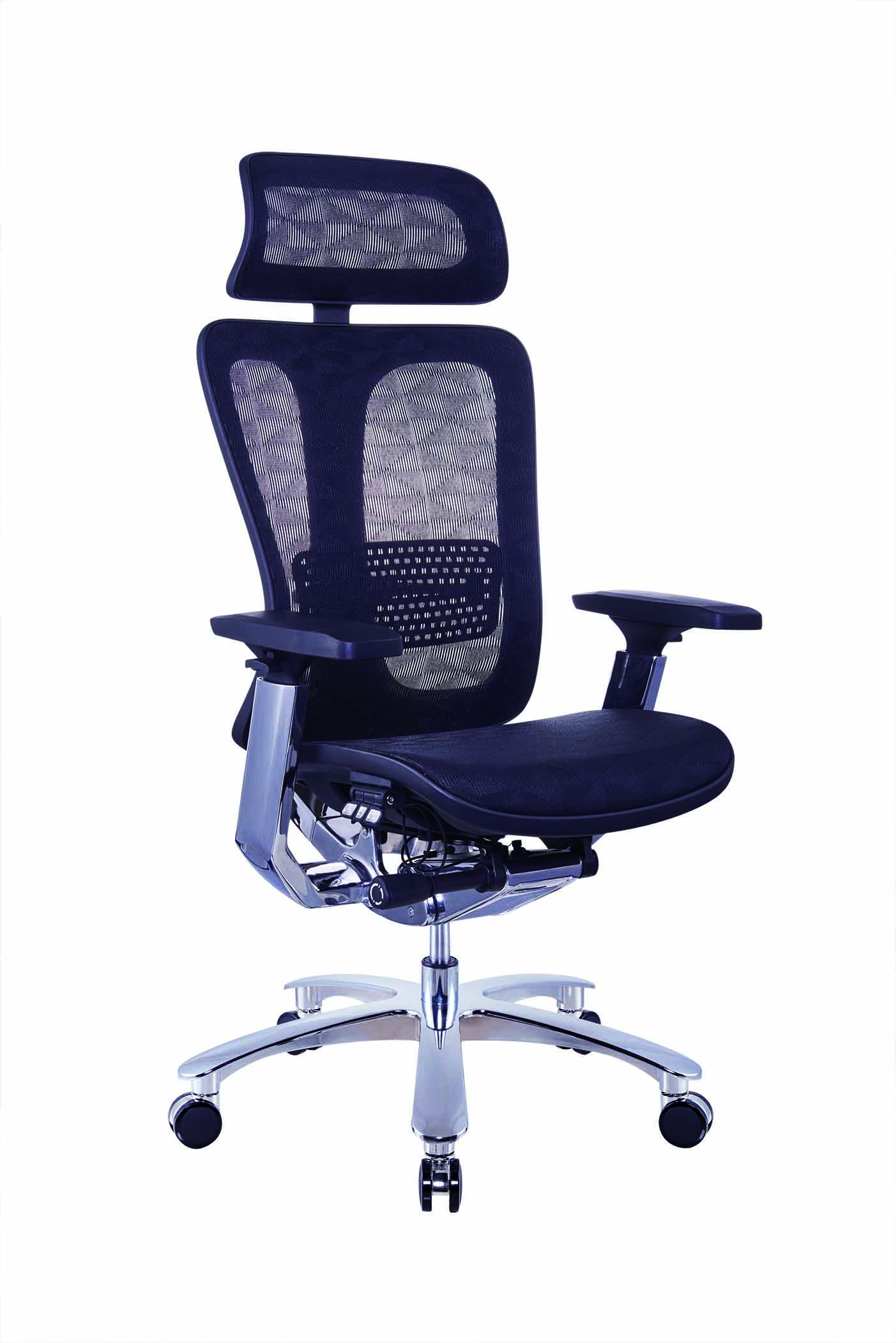
Look for adjustable lumbar support, a synchronized tilt mechanism, dense foam cushioning, and a sturdy base with smooth-rolling casters. Premium chairs also use breathable fabric or top-grain leather that holds up over years of daily use.
Different body types and work habits need different support. If you have a tall team member and a shorter one, the same chair won't fit both. Having people sit for 20-30 minutes in a candidate model reveals pressure points, armrest issues, and back fatigue that spec sheets can't show.
A solid mid-range executive chair often falls between $400 and $900. Going under $300 usually means thinner foam, cheaper gas lifts, and weaker lumbar support. Spending more than $1,200 typically buys brand prestige or exotic materials, not better ergonomics.
A reputable supplier will offer at least a 5-year warranty on the frame and gas lift, and 2-3 years on foam and upholstery. Be wary of warranties under 2 years. Also check if they cover shipping for replacement parts or if you pay freight.
Leather looks sharp and is easy to clean but gets hot in warm offices. Mesh breathes well and supports lower backs, but some people find the texture uncomfortable. High-quality fabric offers a middle ground with stain resistance and a softer feel. Match the material to your climate and team preference.
Many suppliers can embroider a logo on the headrest or emboss it on leather. Custom colors are also possible, but minimum order quantities often jump from 10-20 chairs to 50 or more. Ask about setup fees and whether custom orders extend the lead time.
Vague product descriptions without specific materials, no physical address on their website, a warranty under one year, and prices that seem too low for the listed features. Also, if they can't provide a sample chair for evaluation or have poor response times, proceed with caution.
Conclusion
Before you even start contacting suppliers, spend time understanding the daily rhythms of your team. Do people sit for eight straight hours, shift between desks, or lean forward for detailed work? Those patterns dictate what the chair must withstand, not the other way around. Once you know that, ignore the glossy leather and marketing adjectives. The real question is what’s underneath: the frame, the gas lift, the casters, the foam density. A supplier who can’t tell you the cycle rating on the cylinder or the type of mesh weave is hiding something. Ask pointed questions about warranty coverage for moving parts, whether replacement components are kept in stock, and what happens in year three when the armrest starts wobbling.
Many chairs feel comfortable for the first twenty minutes, but the hidden cost shows up weeks later when your team starts fidgeting, slouching, or complaining of lower-back fatigue. That’s why adjustability should be non-negotiable: seat depth, lumbar support that actually moves, armrests that lock in place, and a recline tension suited to different body weights. A fancy label or a designer name won’t fix a chair that forces every user into the same posture. Finally, insist on a trial period with real employees using the chair for at least two weeks. Spec sheets list dimensions and materials, but they can’t tell you how the seat feels after a three-hour video call or whether the mesh traps heat. Watching your team during that trial reveals more than any brochure ever could.
Contact Us
Contact Person: Diff Wang
Email: [email protected]
Tel/WhatsApp: +8613650281199
Website: https://www.ofcmeshchair.com/