

Chocolate Chips Machine Company Selection Tips for Reliable Production
2026-11-29
Choosing a chocolate chips machine isn’t just about picking the first model that fits your budget. Even small differences in tempering, depositing, and cooling can quietly sabotage your output. In this guide, we’ll walk through practical selection tips that keep your line running smoothly—plus explain why equipment from GUSU has become a go-to for producers who can’t afford guesswork.
When a Lower Quote Hides a Higher Long-Term Cost
A lower quote often works like a teaser rate. The base price looks lean, but the accessories, consumables, software seats, or mandatory service plan are priced separately and renew at a rhythm that catches finance off guard. One facilities team replaced aging printers with a model that cost less per unit, only to find the toner cartridges lasted half as long and the maintenance kit had to be swapped every quarter. The savings evaporated before the first annual review.
Long-term cost hides in the assumptions behind the number. A vendor may assume a three-year replacement cycle, minimal after-hours support, or a fixed number of users, while the actual operation runs twice as hard. Short warranties, limited spare parts, and upgrade fees for basic features can turn an initially cheap purchase into a recurring expense. The only reliable way to compare quotes is to model the full ownership cost across the years the asset will actually be in service, not just the price printed on the first page.
The Build Details That Separate Showroom Machines from Production Floor Workhorses
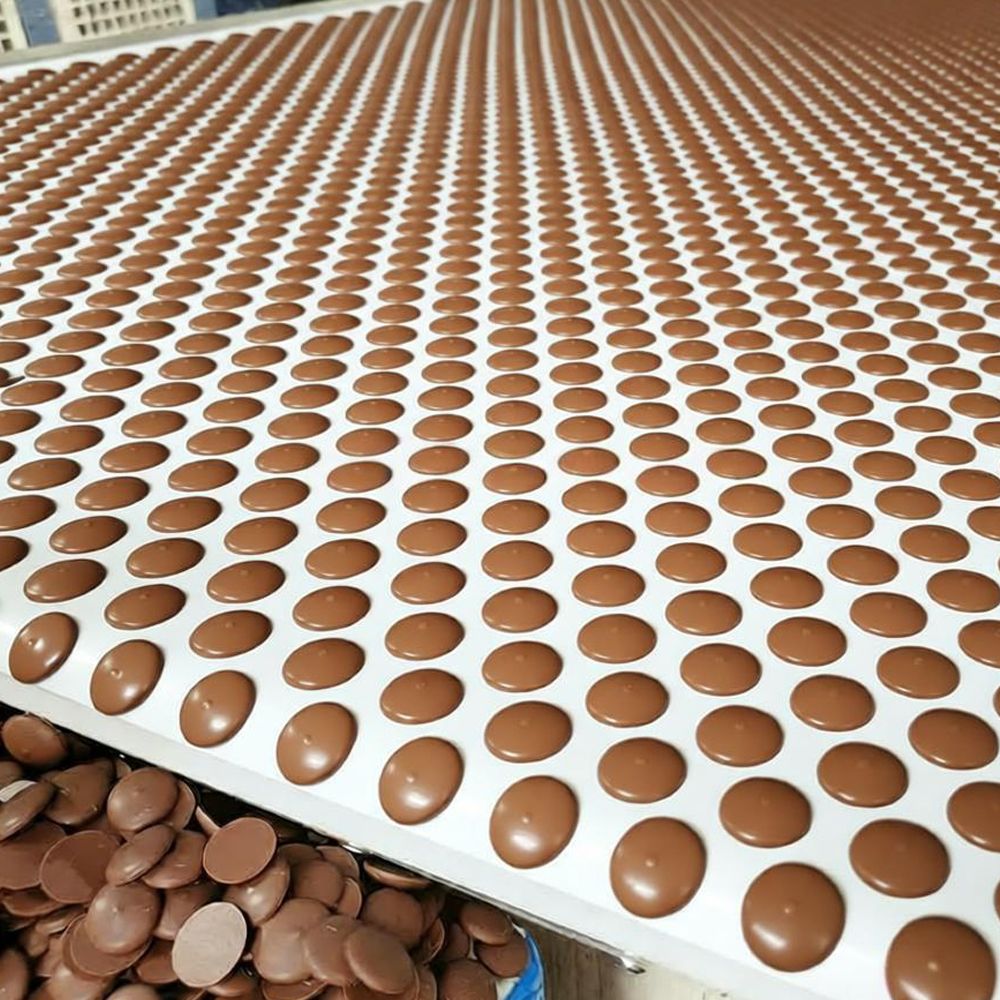
Most buyers start by comparing spindle horsepower, table travel, and control brands. Those numbers look nearly identical on paper, but the machines that survive on a production floor earn their keep through details you have to crouch down to notice. A showroom model may carry the same cast iron spec, yet its base casting was finish-machined just enough to look clean. A true workhorse has extra webbing in the corners, heavier ribs under the ways, and a paint job that is not hiding filler putty. Run your hand under the electrical cabinet lip and you will feel the difference between a folded edge that traps coolant and a sealed return flange that lets it drain.
The same split shows up in fasteners, routing, and wear points. On a floor machine, hydraulic hoses follow consistent bend radii, terminals are torqued and marked, and limit switches sit above the splash line instead of directly in it. Grease zerks are reachable without removing a side panel, and chip guards overlap like shingles so debris slides off rather than piling into seams. These choices do not make the brochure photography any better, but at two in the morning after a coolant line bursts, they mean the difference between a ten-minute cleanup and a four-hour teardown.
There is also an honesty to how a production machine is assembled. Drawer slides feel tight because the mounting holes were line-bored, not because shims were added after the fact. Panels sit square after the machine is leveled on an uneven slab, not just on a carpeted trade show platform. Over time, that internal discipline shows up as repeatability, fewer unexplained alarms, and parts that stay within tolerance long after the demo warranty expires. The real builder is not the one polishing the sheet metal; it is the one making sure the underside is coated, drained, and ready for the next shift.
Sanitary Design Choices That Prevent Recalls and Rework
Recalls rarely start with a dramatic equipment failure. More often they begin in a blind corner, a threaded joint, or a flat ledge that holds rinse water just long enough for a biofilm to take root. Sanitary design shifts attention from cleaning harder to designing out the places where contamination hides. Ground and polished welds, sloped process surfaces, and self-draining pipe runs remove the niches that turn scheduled sanitation into guesswork.
Rework has a way of multiplying quietly. A line that cannot be cleaned with confidence between allergen runs eventually forces test-and-hold decisions, reroutes product, or condemns whole lots. Choosing continuous, crevice-free seals instead of press-fit trim and removing hollow rollers and unsealed cross members reduces that uncertainty. The payoff shows up in longer uninterrupted runs and fewer late-shift calls to quarantine finished goods.
Material choices matter as much as geometry. 316 stainless and food-grade polymers resist the pitting and micro-abrasion that give bacteria a foothold, while exposed threads and sharp internal angles give way to sanitary clamp connections. When drainage drops away from the product zone and controls are sealed against washdown, the line becomes easier to verify, and verification is what keeps a small contamination event from becoming a recall trigger.
What Real Operators Say About Daily Cleaning and Changeovers
One operator at a Midwest dairy put it bluntly: "You don't really clean a filler; you negotiate with it." The daily routine starts not with a checklist but with a walk-around. He taps the pump seals, glances at the last rinse log, and only then decides whether the line gets the standard two-hour wash or the slower caustic cycle. Over time, crews learn which stubborn spots hide residue—behind the gasket lip on the fourth valve, under the hopper rail—and they check those first instead of trusting a generic schedule.
Changeover talk in the break room rarely stays polite. A packaging lead says her crew can swap from vanilla to chocolate in 22 minutes, but only if the upstream batching team gives them a heads-up before the last tank empties. That warning lets them stage tools, pre-warm the fill lines, and assign one person to the labeler while another drains the holding tube. Without it, the same changeover stretches past 40 minutes and someone is pulling a half-set gasket off the floor.
The common thread in these conversations is that time estimates mean little until the crew has been burned a few times. Operators tend to keep their own handwritten notes: which spray ball clogs on Tuesdays, how long the hot water actually stays hot, what the third shift forgets to tighten. Those notes, not the official SOP, often become the real standard for getting a line clean and back into production.
Spare Parts Availability Without the Sales Pitch
When a machine is down, the last thing anyone needs is a polished phrase about world-class logistics. What actually helps is a plain answer: do you have the part, and when can it leave the dock? Our parts desk keeps that answer visible. Stock counts are pulled from the warehouse system, not a marketing sheet, so a yes or no comes with the lead time attached.
That also means hearing "not in stock" more often than some suppliers would admit. We would rather flag a two-day backorder than promise next-day air and then call back with excuses. For common wear items such as filters, seals, drive belts, and sensors, we keep shelves filled because they are ordered against actual service histories, not just quarterly forecasts.
The result feels quieter than a sales pitch. No urgent upsell, no "while you are at it" parts bundle. Just a short list of what is available, what it costs, and the date it arrives. If a part has been superseded, you get the new number and compatibility check without a lecture on upgrading the whole line.
How the Right Supplier Shortens Your Learning Curve
Most teams don’t realize how much time disappears when a supplier hands over a spec sheet and leaves you to figure out the rest. A supplier that knows your application will walk you through the three or four decisions that actually matter—material tolerance, mounting constraints, thermal behavior—instead of dumping a 60-page catalog on your desk. That alone cuts the trial-and-error phase down dramatically.
The bigger advantage shows up when something misbehaves in testing. With the right partner, you’re not opening a ticket and waiting three days for a generic reply. You get a direct line to an engineer who has seen the same failure mode before and can point you toward a fix before your timeline slips.
Over time, that feedback loop becomes part of your own team’s knowledge base. Each project moves faster because past mistakes don’t get repeated, and new engineers ramp up on real cases rather than vague documentation.
FAQ
Check how well the equipment matches your actual recipe, including chip size, shape consistency, and temperature precision. A builder willing to run trials with your own material usually tells you more than a glossy spec sheet.
Ask for real runtime data, wear-part replacement intervals, and if possible see the same model working on a production floor through video or on-site. Demo units are useful, but they rarely reveal long-term behavior.
Cocoa butter crystals react quickly to temperature swings, which can cause blooming, sticking, or breaking. Reliable equipment needs separate heating zones, fast recovery after interruptions, and a stable cooling path.
It depends less on size and more on how deeply they understand chocolate rheology. A supplier focused on forming heads but experienced with real chocolate often beats a generalist that knows a little about everything.
Find out how long cleaning and disassembly take, whether spare parts are available locally, how accessible lubrication points are, and whether remote support is measured in hours or days when something stops.
Look at changeover time for molds, chip spacing, and shape adjustments, plus whether the control system stores multiple recipes. If every switch requires engineering support, the long-term cost will add up quickly.
Food-contact areas should have no dead corners, seals should prevent fine powder buildup, drainage should be straightforward, and materials must resist corrosion without reacting with cocoa butter. Easy disassembly matters more than a polished exterior.
It makes sense when the extra cost clearly buys lower downtime risk, tighter deposit weight consistency, accessible local parts, and process support you can actually use. Paying for brand prestige alone rarely improves output.
Conclusion
Buying chocolate chips machinery often starts with a quote that looks refreshingly lean, but that number rarely tells the truth about long-term ownership. A cheaper frame may flex under continuous mixing, motors sized for occasional demos overheat after the third shift, and poorly finished welds trap chocolate residue that turns a quick rinse into a sanitation headache. Machines built for the showroom can run a short demonstration beautifully, while a production floor workhorse needs heavier bearings, accessible drive components, and surfaces that survive daily hot water and aggressive cleaning chemicals. Sanitary design is not just a checklist item; it is what keeps a batch from being quarantined or recalled because a hidden crevice held old product. Operators tend to notice these differences within the first week. They are the ones who will tell you whether a changeover actually takes twenty minutes or half a shift once guards, hoppers, and depositing heads are involved.
Real operator feedback is valuable because it cuts through spec sheets. Ask how the machine behaves with sticky inclusions or high-fat chocolate, whether the belt tracks straight after a hot wash, and how easy it is to reach the rollers without pulling half the line apart. Daily cleaning and rapid product swaps matter more than top speed if your schedule changes often. Spare parts are another quiet factor: some suppliers quote impressive lead times but stock almost nothing locally, leaving you waiting on a sensor or a drive belt while orders pile up. A dependable supplier ships the unglamorous parts fast and does not turn every call into a pitch for an upgrade. Beyond parts, the right partner shortens the learning curve by sending people who know the equipment, not just a manual and a video link. That support shows up in fewer startup mistakes, better maintenance habits, and a line crew that can troubleshoot without guessing.
Contact Us
Contact Person: Zhang Wei
Email: [email protected]
Tel/WhatsApp: 8618662577837
Website: https://www.chocomachinery.com