
China Woven Bag: Your Guide to Durable and Eco-Friendly Packaging
2026-10-20
Looking for packaging that won’t tear under pressure—or cost the earth? China’s woven bag industry has quietly become a global leader in tough, reusable, and eco-conscious bulk packaging. In this guide, we’ll explore why businesses are switching to woven bags for everything from agricultural products to construction materials, and how YONGFENG stands out with its durable, customizable, and sustainability-focused production. Whether you’re tired of flimsy plastic sacks or simply want a smarter supply chain choice, here’s what you need to know before your next order.
Why Woven Bags Outlast Most Other Packaging
The durability of woven bags starts with the way they’re made. Instead of a single flat sheet, these bags use polypropylene or polyethylene tapes woven into a crisscross pattern that behaves a lot like tough fabric. That structure spreads tension across hundreds of interlocking points, so a small puncture or tear rarely turns into a catastrophic split. Even when a sharp edge catches the surface, the damage tends to stop at the nearest weave intersection rather than running down the entire side.
Compare that to paper sacks, which lose strength the moment they get damp, or standard plastic bags that puncture with very little force. Woven bags handle rough handling, heavy stacking, and abrasive surfaces without giving out. Many are also made with UV inhibitors, so they don’t become brittle after weeks in direct sunlight. Reinforced stitching or heat-sealed seams add another layer of protection, keeping the bag intact even when it’s overfilled or dragged across concrete.
The real difference shows up in repeated use. A woven bag can be emptied, folded, and refilled dozens of times without losing its shape or load-bearing ability. In agriculture, construction, and bulk transport, it’s common to see the same woven bags cycled through multiple seasons, while cardboard boxes and thin plastic sacks end up as waste after one trip. That kind of lifespan isn’t just about saving money—it’s the physical result of a stronger material and a smarter construction method.
Inside the Production Hubs That Make China a Woven Bag Leader
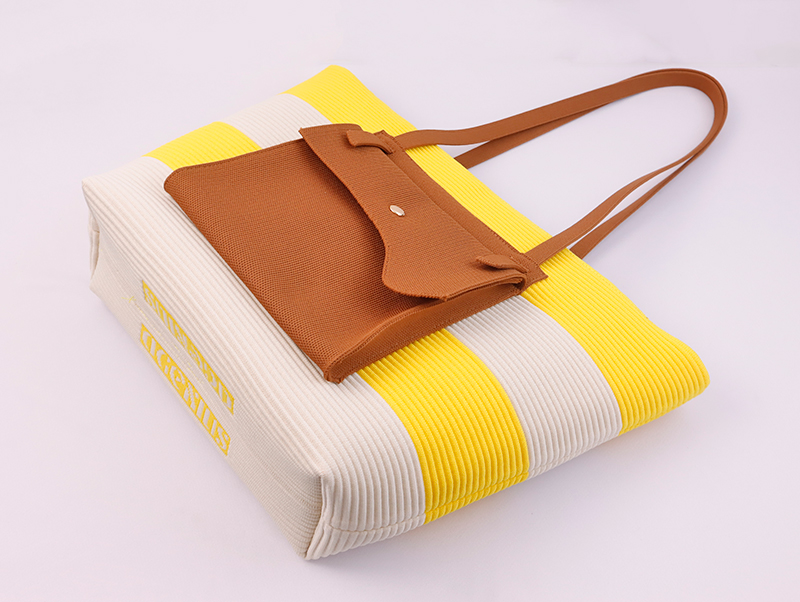
Walk through the industrial corridors of Wenzhou’s Cangnan county and the air carries a steady, rhythmic rattle—hundreds of circular looms weaving polypropylene tape into the tough, striped sacks seen at ports and construction sites worldwide. Here, raw resin pellets are melted, stretched into thin tapes, and wound onto bobbins before being fed into machines that never quite stop humming. The scale is hard to grasp until you stand beside a single workshop with forty looms running in parallel, each spitting out a continuous tube of fabric that will be cut, printed, and stitched into bags by dusk.
Beyond Zhejiang, smaller clusters in Shandong and Guangdong have carved out their own niches: some focus on laminated bags for chemicals, others on breathable mesh sacks for onions and potatoes. What ties them together is not just cheap labor, but a tightly packed supply chain. Tape extruders, loom mechanics, ink suppliers, and sewing cooperatives all operate within a half-hour drive, which lets a factory turn a custom order around in days rather than weeks. It is this density of know-how that keeps buyers returning, even as costs have climbed.
The result is less about a single ‘made in China’ label and more about an ecosystem that has spent three decades refining a very ordinary product. From the rust-flecked hand carts ferrying rolls of fabric between floors to the smell of hot polymer and solvent-based ink that lingers in the loading bays, these hubs turn out billions of bags a year without much fanfare—relying on speed, repetition, and an almost stubborn refusal to let a single bottleneck halt the line.
From Grain Sacks to Reusable Totes in a Decade
Ten years ago, grain sacks were mostly seen as bulky waste, piled behind feed stores or sent to landfills. A small group of makers in the Midwest started collecting the sturdiest ones, washing them, and cutting them into simple shopping bags. The first totes were rough at the edges, but they carried heavy loads without tearing.
By the fifth year, the process had shifted from weekend hobby to full-time workshop. Reinforced handles, double-stitched seams, and a final rinse made each bag feel less like repurposed farm material and more like a daily essential. The original grain sack prints and faded logos became part of the charm, so no two totes looked exactly alike.
Now, a decade later, those early experiments have grown into a steady line of reusable totes found in local co-ops and farmers markets. The sacks still arrive by the truckload, but instead of being discarded, they get a second life that can last for years of grocery runs and library trips.
What Makes a Woven Bag Truly Durable
Durability in a woven bag isn't about a single factor—it's the result of several design and material choices working together. The weave density matters first. A tight, even weave distributes stress across hundreds of small intersections, so no single point bears too much weight. Loose or uneven weaving creates weak zones that fray and tear under regular use. Beyond density, the edge finishing plays a bigger role than most people expect. Raw cut edges unravel quickly, while reinforced hems or folded seams keep the structure intact even after months of carrying heavy loads.
Material selection is equally critical. Polypropylene and polyester tapes resist abrasion, moisture, and UV damage far better than natural fibers like jute or cotton when used outdoors. However, a woven bag's durability also depends on its construction method. Look for bags with cross-stitched handles or reinforced bottom panels. These high-stress areas often fail first if they're simply sewn onto a single layer of fabric. Double-layer bottoms and box-stitched attachment points can double or triple the bag's useful life.
Finally, think about how the bag will be used. A bag designed for occasional grocery trips needs different reinforcements than one meant for daily construction hauling. Check the weight rating and test the stitching by pulling on seams before buying. A durable woven bag should feel stiff but not brittle, and the weave should not shift when you push against it. Small details like bartack stitches at handle ends or a water-resistant coating indicate a manufacturer focused on longevity rather than just appearance.
Practical Ways to Reuse Woven Bags at Home and Work
Woven bags have a durability that plastic totes can only dream of, and that strength makes them perfect for more than just hauling groceries. At home, cut open a large rice or feed sack and use the sturdy material as a drop cloth for painting projects or messy craft sessions. The tight weave catches spills and can be hosed off afterward. You can also turn smaller bags into drawer dividers by folding the sides down to the right height—no sewing required, just a pair of scissors and a little patience.
Around the workplace, these bags can quietly replace a lot of single-use packaging. Use clean woven sacks to bundle cables, extension cords, or holiday decorations in storage closets. If your office has a shipping area, line outgoing boxes with flattened bag material for lightweight padding that does not crumble like foam peanuts. For a break room touch, hang a neatly trimmed woven bag on a hook as a catch-all for reusable utensils and cloth napkins. The key is to think of them as raw fabric rather than a finished product.
How to Spot a Reliable Woven Bag Supplier Before You Order
Ask for live video from the workshop floor, not just polished photos. A supplier who can walk you through the weaving, cutting, and stitching lines on a video call is already more open than one who only sends catalogs. Also request a copy of their export license or recent bill of lading—real shippers have no reason to hide those.
Order a blank sample before discussing printing. Check the fabric density by counting tapes per inch, then load the bag with 20% more weight than your typical product and lift it repeatedly. If stitching threads snap or the fabric tears at the seam, move on. Ask whether they use virgin polypropylene or recycled pellets, because recycled content can make bags brittle in cold storage.
Pay attention to how they handle small details in conversation. A reliable supplier will confirm dimensional tolerances, ink adhesion for your logo, and moisture-proof bundling without being prompted. If they offer a realistic production schedule instead of promising instant delivery, that's a good sign. Vendors who treat a small trial order with patience are usually the ones you want for long-term supply.
FAQ
Typically woven polypropylene strips, which gives it that tough, slightly textured surface. Some versions mix in cotton or jute for a softer feel, but industrial bags rely on PP because it resists tearing and handles moisture well.
Yes if you match the bag to the job. A standard PP woven bag with reinforced stitching easily holds 25-50 kg. For sharp or dense items like gravel or hardware, look for bags with a liner or laminated coating rather than plain weave.
They can be, but it depends on how they're used. Polypropylene is recyclable, and because the bags are durable they're often reused many times before disposal. That repeated use is where the environmental benefit comes in—fewer single-use alternatives end up in circulation.
Agriculture for grain, feed, and fertilizer; construction for sand, cement, and rubble; and retail for bulk goods like rice, flour, or pet food. They're also popular in flood control when filled with sand.
Start by checking whether the factory can show material test reports and sample batches. Ask about their minimum order quantity, print quality, and stitch density. A good supplier will be clear about fabric weight per square meter, not just bag dimensions.
Sure, most manufacturers offer flexographic or gravure printing. Simple logos and text work fine with one or two colors; detailed designs may need laminated panels. Just keep in mind that very fine gradients or photos tend to look muddy on woven texture.
Laminated bags have a thin film applied to the outside, which makes them more water-resistant and gives a smoother printing surface. Non-laminated versions breathe better and are usually cheaper, so they're fine for dry, non-sensitive products like firewood or potatoes.
Conclusion
Woven bags from China have earned a reputation for outlasting most other packaging options largely because of how they are engineered. The base material is typically polypropylene tape that is woven under tension, creating a fabric that resists tearing, punctures, and prolonged exposure to moisture far better than paper or single-use plastic. Over the past decade, the industry has shifted from simple grain sacks and bulk commodity carriers to a wide range of reusable totes, shopping bags, and even custom-printed promotional carriers. Production hubs such as Wenzhou, Linyi, and parts of Guangdong have developed deep supply chains for extrusion, weaving, coating, and stitching. That specialization keeps costs low while allowing buyers to specify features that genuinely affect durability: fabric weight measured in grams per square meter, UV stabilizers for outdoor use, reinforced stitching at stress points, and laminated inner liners when waterproofing is needed. A well-made woven bag can easily survive hundreds of load cycles, which is why many users keep them for years rather than discarding them after a single trip.
Beyond the initial purchase, woven bags are surprisingly adaptable around the home and workplace. They work well for storing seasonal clothing, separating recyclables, hauling garden waste, organizing tools, or even as makeshift sandbags during heavy rain. Because they fold flat when empty and are simple to wipe clean, they slot into spaces where rigid bins or cardboard boxes fail. When you are ready to order from a Chinese supplier, a few checks will separate reliable factories from low-cost traps. Ask for a sample before committing, and weigh the fabric yourself rather than trusting the label. Inspect the stitching at the corners and handles—those are the first places cheap bags fail. Confirm whether the supplier uses virgin polypropylene or recycled content, and request test reports for tensile strength and UV resistance if the bags will sit outdoors. Finally, visit the factory by video call or third-party audit if the order is large. Suppliers who openly share production details and have experience with export documentation tend to be much easier to work with over the long term.
Contact Us
Contact Person: Mr Deng
Email: [email protected]
Tel/WhatsApp: +86-18926872657
Website: https://www.uniyongfeng.com/