

China Reefer Container Innovations: Powering Global Cold Chain Logistics
2026-05-19
As global demand for temperature-sensitive goods surges, China’s reefer container technology is quietly reshaping cold chain logistics. From smart IoT sensors to energy-efficient designs, these innovations are not just keeping cargo fresh—they’re unlocking new trade corridors. At the forefront, Worldbase connects buyers with cutting-edge solutions, ensuring that every shipment, from farm to fork, rides on reliability. But what exactly makes China’s reefers a game-changer for global supply chains? Let’s take a closer look.
Smart Temperature Control Redefines Perishable Transit
Gone are the days of crossing fingers and hoping perishables survive the journey. Smart temperature control now acts as a silent, ever-vigilant guardian, adjusting conditions in real time without human intervention. It's not just about keeping things cold; it's about understanding the delicate dance between humidity, airflow, and precise thermal thresholds that each product—whether fresh produce or life-saving vaccines—demands.
This technology learns from the route itself, anticipating external temperature swings and compensating before they become threats. Sensors scattered throughout the cargo space feed data into adaptive algorithms that make micro-adjustments continuously. The result? Crisp lettuce that still crunches upon arrival, chocolates that haven't bloomed, and biologics that retain their potency—all because the environment never strayed from its ideal band.
What truly sets modern systems apart is their ability to create microclimates within a single container, catering to mixed loads with conflicting needs. Meanwhile, fleet managers access live dashboards that paint a complete picture of cold chain integrity, turning reactive logistics into proactive assurance. In an industry where a few degrees can mean the difference between profit and loss, intelligent temperature management has moved from optional upgrade to essential backbone.
How China’s Advanced Reefers Minimize Spoilage Across Oceans
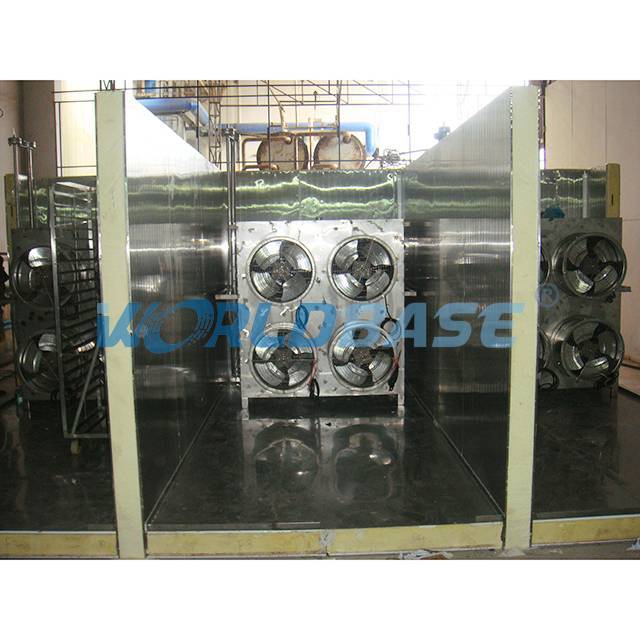
Modern Chinese reefers have transformed cold chain logistics with precision temperature management systems that keep produce, pharmaceuticals, and other perishables within a half-degree Celsius of the target throughout weeks-long voyages. Unlike older units that might swing by several degrees, these smart containers actively adjust cooling output based on real-time sensor data, preventing the thermal shocks that lead to premature ripening or ice crystal damage.
Built-in atmosphere control takes freshness a step further by regulating oxygen, carbon dioxide, and nitrogen levels inside the container. This slows respiration in fruits and vegetables while preserving humidity balance, effectively putting cargo in a state of suspended perishability. Remote monitoring via satellite links means logistics teams can intervene at the first sign of a compressor deviation, many issues being resolved before the vessel even reaches open water.
Durability is equally crucial. Chinese manufacturers have engineered reefers to withstand corrosive salt spray and extreme temperature swings on deck, while using high-efficiency insulation that cuts energy consumption by up to 20%. The result is a seamless cold chain that arrives with spoilage rates far below industry norms, strengthening global supply chains for everyone from Kenyan flower exporters to Chilean salmon farmers.
Greener Cold Chains Emerge with Energy-Efficient Designs
The shift toward sustainable cold chain logistics is gaining momentum as companies integrate smarter, energy-saving technologies into their refrigeration systems. Traditional cooling units, often powered by diesel or outdated compressors, are being replaced with advanced electric models that offer precise temperature control while slashing power consumption. These modern designs leverage variable-speed drives, improved insulation, and heat recovery features to reduce energy waste, making cold storage and transportation not only more reliable but also significantly less carbon-intensive.
Beyond the hardware, the adoption of intelligent monitoring plays a pivotal role in refining energy use. IoT sensors and cloud-based platforms continuously track temperature, door openings, and system performance, enabling real-time adjustments that prevent overcooling and unnecessary runtime. Data analytics further optimize routes and loading patterns, aligning refrigeration demand with actual needs. This blend of automation and oversight helps operators cut energy bills by up to 30% while maintaining strict cold chain integrity.
Innovative refrigerants and design philosophies are also reshaping the landscape. Natural refrigerants like CO2 and ammonia, with ultra-low global warming potential, are becoming viable alternatives to synthetic hydrofluorocarbons. Paired with tighter building envelopes and demand-driven defrost cycles, these systems are setting new benchmarks for environmental performance. The result is a generation of cold storage facilities and trucks that operate more quietly, emit fewer fugitive greenhouse gases, and align with increasingly strict regulatory requirements—all without sacrificing operational reliability.
Real-Time Monitoring That Keeps Every Cargo Safe
From the moment a shipment leaves the warehouse until it reaches its destination, our system never takes its eyes off it. Sensors embedded in containers track temperature, humidity, shock, and location, streaming data every few seconds. This means you can spot a problem before it becomes a disaster—whether it's a door left open or a sudden spike in vibration.
The real difference comes from how we handle alerts. Instead of flooding you with notifications, we prioritize based on risk. A minor temperature fluctuation might just get logged, but a breach in the cold chain triggers an instant call to the driver and warehouse team. It’s about filtering noise so you focus on what matters.
We’ve seen this save shipments from spoiled vaccines to delicate electronics. One client avoided a $200k loss when the system caught a failed reefer unit mid-route, allowing a reroute to a backup facility. That’s not just monitoring—it’s active protection built into every journey.
Customized Containers for Pharmaceuticals to Fresh Produce
From temperature-sensitive vaccines to crisp leafy greens, the journey from manufacturer to end user demands packaging that adapts not just to the product but to every link in the supply chain. Customized containers bridge this gap by integrating precise climate controls, shock-absorbent materials, and tamper-evident seals tailored to specific cargo. What protects a life-saving insulin pen differs vastly from what keeps strawberries field-fresh—and recognizing that nuance is where value is built.
The shift toward modular design allows a single container system to serve both pharmaceutical cold chains and premium produce deliveries without compromising integrity. Interchangeable inserts, reconfigurable shelving, and dynamic thermal layers turn a standard base unit into a purpose-fit vessel. This flexibility eliminates the need for entirely new infrastructure when switching between product lines, slashing idle time and material waste.
Real-world use shows that bridging these seemingly distant industries through container engineering isn't just about insulation or gel packs. It's about data-driven validation—each container logging temperature stability, vibration exposure, and ambient fluctuations during transit becomes a compliance asset for drugmakers and a quality guarantee for grocers. The result is a quieter, nimbler logistics flow where a crate used for clinical trials one week can safely cradle heirloom tomatoes the next.
From Factory to Fork: Ensuring Integrity on the Longest Hauls
Every journey from production line to dinner plate carries its own set of risks, but the real test comes when that journey spans continents, climates, and countless handling points. Temperature fluctuations, unexpected delays, and inadequate packaging can silently compromise quality before the goods ever reach the consumer. Maintaining integrity across the longest hauls means understanding that each link in the chain is only as strong as its weakest moment—and those moments often happen far from the watchful eyes at either end.
Real-time visibility has transformed the way we protect perishable goods in transit. Sensors tucked inside crates and containers now whisper data about humidity, shock, and tilt, flagging trouble the instant it begins. But technology alone isn't enough; it’s the human response to that data that preserves freshness. When a shipment of exotic fruits shows a slight spike in temperature mid-ocean, the difference between a quick corrective action and a damaged batch lies in the teams that interpret those signals and act without hesitation.
Beyond reactive measures, the longest routes demand a proactive mindset. It shows in the choice of packaging that breathes but doesn’t leak, in the route planning that dodges seasonal port congestion, and in the contingency plans that kick in before a storm even forms. From factory to fork, integrity isn’t an accident—it’s a deliberate, layered commitment. The best logistics partners don’t just transport; they anticipate, adapt, and ensure that every mile traveled adds value rather than taking it away.
FAQ
Chinese firms have introduced smart reefer containers with IoT sensors for real-time temperature and humidity monitoring, improved insulation materials that enhance energy efficiency, and modular designs that allow for easier maintenance and repair.
They’re reducing spoilage rates significantly by ensuring precise climate control during long-haul shipments, thus expanding the reach of perishable goods. The integration of data analytics also helps logistics companies optimize routes and reduce costs.
AI algorithms predict and adjust cooling needs based on external conditions and cargo type, enabling proactive maintenance alerts and minimizing breakdowns during transit.
Yes, many feature solar panels to power monitoring systems, use eco-friendly refrigerants with lower global warming potential, and incorporate lightweight composite materials to reduce fuel consumption during transport.
It allows for quick replacement of faulty components like cooling units, reducing downtime. It also enables customization for specific cargo, such as pharmaceuticals or fresh produce, without needing entirely new containers.
They’ve tackled issues like high production costs through economies of scale, stringent international certification requirements, and the complexity of integrating digital technologies into harsh shipping environments.
They provide ultra-precise temperature control (e.g., -20°C ±0.5°C) and data logging for compliance with GDP guidelines, ensuring vaccines and biologics remain stable across continents.
Major ports are installing more reefer plug points with real-time monitoring, building automated stacking systems, and implementing digital platforms for seamless data exchange with shipping lines and cargo owners.
Conclusion
China's latest reefer container technologies are transforming the way temperature-sensitive goods move across the globe, combining precision engineering with intelligent control to slash spoilage rates even on the most demanding transoceanic routes. Smart sensors and adaptive cooling systems maintain ideal conditions for everything from fresh produce to high-value pharmaceuticals, adjusting in real time to outside temperature swings, door openings, or route changes. This dynamic regulation not only protects cargo integrity but also redefines what's possible in perishable logistics, making supply chains more resilient and far less wasteful.
Behind these gains is a quiet revolution in energy efficiency and customization. New designs incorporate advanced insulation, variable-speed compressors, and alternative refrigerants that cut fuel consumption and carbon footprints without sacrificing performance. Meanwhile, container builders now offer tailored builds—pharma-grade units with strict temperature uniformity, controlled-atmosphere boxes that slow ripening, and rugged configurations for frozen goods on epic factory-to-fork journeys. Paired with always-on remote monitoring that flags anomalies before they become crises, these containers give shippers unprecedented confidence. The result is a greener, smarter cold chain where China's manufacturing muscle helps ensure that a mango picked in one hemisphere arrives as fresh as intended on the other side of the world.
Contact Us
Contact Person: Mr Yang
Email: [email protected]
Tel/WhatsApp: +8613809083091
Website: https://en.worldbase.cn