

Chemical Soil Stabilizer for Dust Control: A Comprehensive Guide to Effective Solutions
2026-07-31
Dust emissions from unpaved roads and construction sites pose serious health and environmental risks, but traditional water-only suppression is a short-lived fix. That's where chemical soil stabilization steps in, transforming loose, dusty soil into a durable, compact surface. In this guide, we explore the most effective chemical stabilizers for long-term dust control, including how innovative solutions like MST are helping project managers tackle fugitive dust for good—without constant reapplication or costly maintenance.
Understanding How Chemical Stabilizers Lock Down Dust
Chemical stabilizers work by altering the physical and chemical properties of soil particles, creating a more cohesive surface that resists wind erosion. These additives often bind fine particles together, forming larger aggregates that are too heavy to become airborne. This process not only reduces dust generation but also improves soil strength and durability over time.
Unlike water-based suppression, which evaporates and requires frequent reapplication, chemical agents can provide long-lasting results. Some formulations penetrate the soil and create a crust that withstands traffic and weather. Others react with minerals to form a cement-like matrix, locking particles in place even under harsh conditions.
Key Agents That Transform Soil into Solid Ground
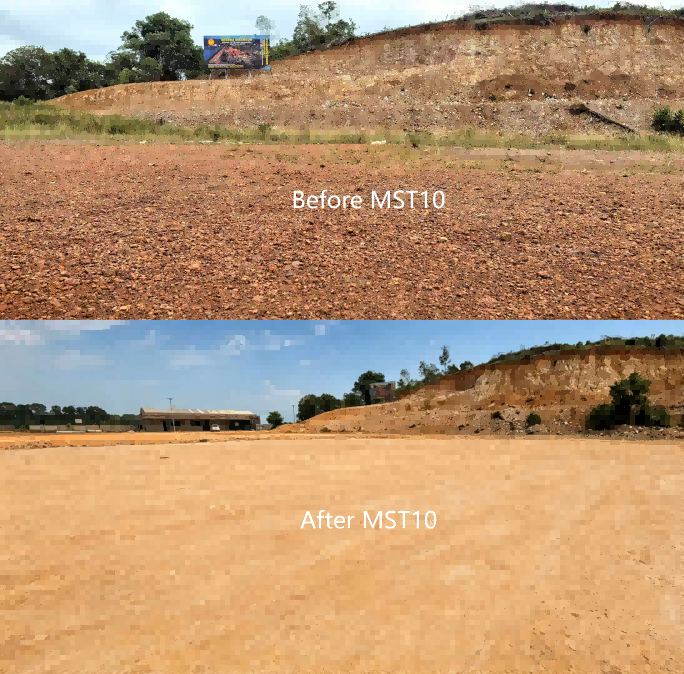
The transformation of loose soil into firm, reliable ground often begins with the quiet work of organic binders. Materials like lignin, plant resins, and decomposed organic matter act as natural adhesives, weaving individual particles into a cohesive mass. Over time, microbial activity further amplifies this effect, secreting sticky substances that strengthen particle bonds and reduce pore space. This biological glue, reinforced by cycles of wetting and drying, gradually locks the soil matrix into a more resilient state, turning a once-fragile surface into one capable of bearing weight without yielding.
In other settings, the role of living plant roots cannot be overstated. Fine root hairs reach deep into the soil profile, threading through gaps and dense clusters alike. As they grow, roots physically bind particles together while releasing exudates that chemically stabilise aggregates. The underground network formed by grasses or pioneer species creates a mesh that resists erosion and compaction, effectively reinforcing the ground from within. When these roots decay, they leave behind channels that improve drainage and further consolidate the surrounding structure, gradually converting a loose substrate into solid earth with improved load-bearing capacity.
Beyond the organic realm, gradual chemical processes also play a pivotal role in soil stabilisation. Water percolating through calcium-rich parent material can dissolve minerals that later reprecipitate as carbonate cements, effectively lithifying the soil over time. In other contexts, the accumulation of silica or iron oxides repeatedly glues silt and sand grains together, forming a hardpan layer resistant to deformation. These slow-acting mineral adhesives, often overlooked because they operate over decades, ultimately anchor the ground and stop the settlement that plagues engineered structures. Though invisible to the untrained eye, their cumulative effect turns loose, problematic earth into the kind of solid ground that quietly holds up landscapes and buildings alike.
Matching Stabilizer Types to Soil and Site Conditions
Choosing a stabilizer starts with a clear reading of what the soil is actually like. Fine-grained clays and silts often need binders that can chemically alter their structure, while coarse sands and gravels rely more on mechanical interlock or polymer additives. Field tests like the plasticity index or simple jar sedimentation can reveal tendencies that lab results alone might miss. Observing how water behaves after a rain can also point to the kind of binder that will hold up under real weather cycles, not just ideal conditions.
Site-specific factors often override generic recommendations. A heavily trafficked haul road demands impact resistance and rapid strength gain, which might push you toward cement-based solutions, whereas an erosion-prone slope benefits from flexible, water-insensitive polymers. Drainage patterns, freeze-thaw exposure, and even the expected timeframe for construction all shift the calculus. Matching the product to the project means respecting these local quirks; what works perfectly on a dry, flat site can fail quickly once grades and moisture levels change.
Sometimes the best approach isn't a single product but a layered strategy. Pre-treating with lime to modify expansive clay and then following with a cementitious binder can deliver better long-term durability than either one alone. Testing small trial sections is far more reliable than extrapolating from a catalog. The goal is a system where the stabilizer, soil, and site work together as a unified whole—one that handles stress without becoming brittle or washing out when conditions turn harsh.
Step-by-Step Application for Long-Lasting Results
Getting the most out of any treatment starts with how you prepare. Clean skin matters, but so does the tiny step most people skip: lightly dampening the surface. A fine mist of water or a hydrating toner before you begin helps ingredients sink in evenly instead of evaporating too soon. It’s like giving your skin a primer without the extra product, and it makes everything that follows work harder for longer.
Patience during application is where the magic happens. Rather than rubbing or layering everything at once, give each layer a moment to settle. Tap it in gently until the skin feels slightly tacky, then move on. This isn’t just about absorption—it’s about letting the formula lock into place. When you rush, you dilute the effect. When you pause, you build a durable foundation that resists fading throughout the day.
What you do between applications often dictates how well results hold up. Avoid layering heavily occlusive textures on top too soon, and steer clear of touching your face once the process is done. If you’re heading out, a soft, even dusting of finishing powder can set things without suffocating the skin. Small habits like these turn a single, careful application into something that genuinely lasts.
Real-World Performance Across Climates and Uses
From the humid streets of Bangkok to the frozen trails of Fairbanks, the true test of any equipment lies in how it holds up when the conditions turn extreme. Our gear isn't just designed in a lab—it's refined through feedback from mountaineers who've weathered Patagonian storms and field biologists tracking data in the Sahara. Every seam, material choice, and ventilation port has been stress-tested by people who don't have the luxury of calling it quits when the weather turns sour.
Performance isn't just about surviving the elements; it's about thriving across wildly different activities. A ultralight jacket that keeps a trail runner dry during an alpine squall also needs to breathe when they're powering uphill. Similarly, the insulation that keeps a photographer warm while stationary in a blind must avoid overheating them as they trek back to camp. We engineer for these paradoxes—balancing waterproofing with breathability, warmth with weight—so the gear adapts to the user's output, not the other way around.
What really sets apart durable design is consistency over time. A tent that repels a weeklong downpour in the Pacific Northwest shouldn't delaminate after a season in a stuffy attic. Our testing replicates these long-term stressors—UV exposure, salt spray, repetitive packing and unpacking—to mirror years of hard use. The goal is simple: gear you trust on trip one should perform identically on trip one hundred, whether you're setting up on sharp volcanic rock or soft forest duff.
Maintaining Treated Surfaces for Extended Control
A treated surface isn't a set-it-and-forget-it solution—it requires mindful routine care to perform as intended. Dirt, debris, and chemical residue can gradually degrade the protective layer, so gentle cleaning with compatible, non-abrasive agents is key. Avoiding harsh scrubbers or pressure washers helps preserve the integrity of the treatment, while promptly addressing spills or stains prevents them from working their way into the material beneath.
Over time, even the most durable treatments can wear thin in high-traffic or exposed areas. Regular visual checks for dullness, discoloration, or uneven water beading can signal where the coating is thinning. Touching up these spots early—before the underlying surface gets compromised—saves effort and material in the long run. It's also wise to note how environmental factors like UV exposure or freeze-thaw cycles might accelerate wear in your specific setting.
When the surface no longer repels liquids or shows obvious physical wear, a full reapplication often beats constant patchwork. Stripping back old residue, ensuring the substrate is perfectly clean and dry, and reapplying in optimal conditions restores the protective barrier effectively. Keeping a simple log of treatment dates and observations helps you anticipate maintenance needs rather than react to failures, stretching the control period with minimal extra work.
FAQ
Chemical soil stabilizers are liquid or powdered products that, when mixed into the soil, alter its physical and chemical properties to bind particles together. This creates a stronger, more cohesive surface that resists erosion from wind and traffic, effectively reducing airborne dust.
Unlike watering, which requires constant reapplication and can lead to muddy conditions, or gravel, which can be expensive and shift over time, chemical stabilizers offer a long-lasting solution with less maintenance. They penetrate and react with the soil to form a durable crust or bound matrix, providing better dust suppression and surface strength.
Common types include lignin sulfonates, which are byproducts of wood processing and work well on unpaved roads; polymer-based stabilizers that create flexible, water-resistant bonds; chloride salts like calcium or magnesium chloride that attract moisture; and synthetic resins or enzymes designed for specific soil types. Each has its own ideal use case depending on the soil composition and environmental conditions.
Many modern stabilizers are formulated to be environmentally friendly, with low toxicity and minimal leaching once cured. However, it's important to choose a product that is appropriate for the site—some, like certain chlorides, can affect vegetation or nearby aquatic life if not applied correctly. Always check the product's safety data sheet and follow application guidelines, especially near sensitive areas.
The durability varies based on the product type, application rate, traffic volume, and weather conditions. Some treatments can last several months to a year under moderate use, while more robust polymer or resin applications may remain effective for multiple years with occasional touch-ups. Proper preparation of the soil surface and right application depth are key to maximizing longevity.
Yes, many stabilizers not only suppress dust but also enhance the structural integrity of the soil. By binding particles together, they increase shear strength and reduce deformation under load. This makes them a dual-purpose solution for unpaved roads, parking lots, and construction sites where both dust and stability are concerns.
Conclusion
Chemical soil stabilizers offer a powerful, long-term solution for dust control by chemically binding soil particles into a firm, erosion-resistant surface. These agents work through mechanisms like ionic exchange, polymer cross-linking, or cementitious reactions, effectively locking down fine dust and transforming loose ground into solid, durable pavement. Among the key agents are lignosulfonates, chlorides, synthetic polymers, and enzyme-based formulas, each with distinct properties suited to different soil types—from sandy to clay-rich—and site conditions such as traffic load, climate, and drainage. Matching the right stabilizer to the soil’s mineral composition and project demands is critical for performance; for instance, hygroscopic salts excel in arid settings, while polymers provide flexibility on expansive clays. Proper application follows a methodical sequence: thorough soil preparation through grading and scarification, precise dilution and spraying of the stabilizer, mixing with a reclaimer, compacting to optimum density, and a curing period that allows the chemical bonds to fully develop, ensuring a resilient treated layer that resists dust generation for years.
Real-world results validate the versatility of chemical stabilization across diverse climates—from desert heat to tropical rains—and uses such as unpaved roads, mining haulage, and construction sites, where significant dust reduction and improved load-bearing capacity are consistently reported. Ongoing maintenance is minimal compared to traditional watering, typically consisting of periodic inspection and light reapplication of a diluted stabilizer to rejuvenate the surface, especially in high-wear areas. By keeping the treated layer intact and promptly addressing minor erosion or cracks, users can extend dust control effectiveness far beyond initial expectations, reducing water consumption, maintenance costs, and environmental impact. This guide empowers project managers and field engineers to select, apply, and maintain chemical dust suppressants with confidence, turning unstable soils into safe, sustainable infrastructure.
Contact Us
Contact Person: Helen
Email: [email protected]
Tel/WhatsApp: 86 18630661160
Website: https://www.roadmilestone.com/