

Bespoke Bias Cutter for Perfect Bias Binding Every Time
2026-10-24
Getting bias binding right is often the most demanding step in any sewing project—one slip and your edges look puckered, uneven, or just plain messy. That’s where a bespoke bias cutter makes all the difference. Unlike generic tools that force you to trim and adjust endlessly, a purpose-built cutter delivers flawless, consistent strips every single time. At AUGU AUTOMATION, we’ve engineered precision into every component so you can skip the trial and error and get straight to perfect bias binding. In this post, we’ll walk you through how the right cutter transforms your workflow—from fabric prep to final stitch—and why investing in a specialized tool beats settling for less.
When Standard Bias Cutters Miss the Mark
A standard bias cutter starts with a promise: run your strip through, and the folds land exactly where they should. That promise quietly falls apart the moment fabric has a mind of its own. Slippery satins drift off the guide, loosely woven linens catch on the edge, and a bit of stretch turns the width into a guess. What should be a quick prep step becomes a series of stop-and-check cuts.
Even when the width stays true, the pressed fold can betray you later. A generic cutter forces the same angle onto every cloth, so the crease may skim across the grain instead of settling into it. On crisp cotton the difference hides, but on rayon challis or a soft cotton lawn the finished tape twists and fights the neckline, making the binding look homemade in the worst sense.
The deeper issue is that bias isn't one thing. It shifts with the yarns, the weave, and the hand of the fabric. A tool built around a single number ignores that variability. So when a standard bias cutter misses the mark, it isn't a user error—it's a mismatch between a rigid guide and a living material.
The Geometry Behind a Perfectly Folded Edge
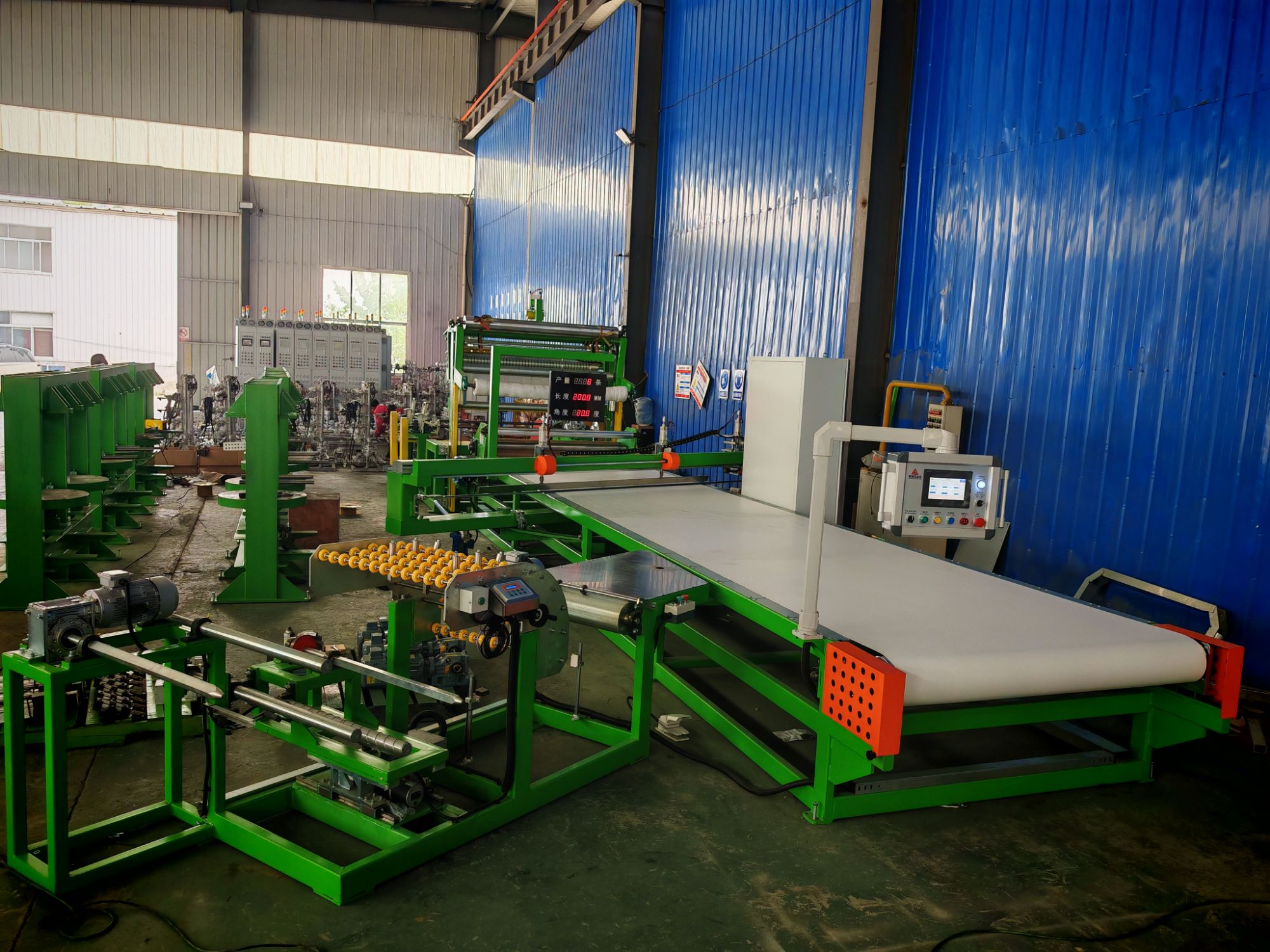
A crisp fold rarely comes from force alone. The edge that looks effortless is actually a negotiation between two flat planes meeting along a shared line. That line, the crease or bend axis, sets the stage for everything downstream: the angle of intersection, the radius at the peak, and the way material thins on one side while bunching on the other. If the geometry is off by a fraction of a degree, the edge reads as soft or uneven even to an untrained eye.
What makes the fold feel deliberate is the relationship between the bend radius and material thickness. In sheet metal work, the neutral axis shifts inward as the outer surface stretches and the inner surface compresses. The K-factor—where that neutral axis sits—determines how much material you need to account for, and ignoring it leads to edges that either tear or bulge. In paper folding, the same principle shows up as fiber compression along the valley, which lets the sheet rotate cleanly instead of fighting its own grain.
A perfectly folded edge also depends on how the crease terminates. Rather than ending abruptly, the fold line often tapers or feathers into the surrounding surface, distributing stress so the corner doesn't crack. Toolmakers mimic this with a slight overbend to counter springback, but the real trick is knowing exactly where the curvature begins to release. That transition zone, not the sharpness of the ridge, is what separates a fold that looks machined from one that looks accidental.
Matching Blade Angle to Fabric Weight
A blade's angle determines how much of the edge contacts the material at once. For heavy fabrics like upholstery weight denim or canvas, a steeper angle (around 60 degrees) keeps the edge from deflecting and pushes cutting force straight down. Lighter fabrics such as organza or lining material respond better to a shallow angle (30 to 45 degrees), which glides through without grabbing the weave.
When you cut multiple layers, fabric weight stacks quickly. A blade that works on a single layer of quilting cotton might skip or chew on four layers of flannel. Bumping the angle up by 5 to 10 degrees often restores clean, continuous cuts because the blunter edge resists bending under the increased load. Conversely, switching to a more acute angle on delicate silk prevents the blade from catching loose threads and causing runs.
Think of the angle as a trade-off between durability and finesse. A high-angle blade lasts longer on thick, abrasive materials but can feel clumsy on fine weaves. A low-angle blade gives a surgical cut on lightweight fabrics but dulls faster if forced through dense stacks. Keeping a couple of blade options on hand and testing on a scrap of your actual fabric is the simplest way to avoid wasted yardage.
A Cutting Experience Built Around Your Hands
Every contour, every curve, every subtle swell in the handle exists for one reason: to disappear into your grip. You won’t think about adjusting your fingers or compensating for an awkward angle. The knife sits where your hand naturally closes, so the first cut feels less like learning a tool and more like extending your own arm.
Balance matters more than weight. We shifted the center of gravity just behind the bolster, which means the blade does the leaning while your wrist stays relaxed. Slice through a ripe tomato or break down a chicken—your knuckles stay clear of the board, and the edge tracks straight without you forcing it.
The result is quieter than you’d expect. No white-knuckle grip, no forearm fatigue halfway through prep. Just steady, predictable cuts that leave you free to focus on the food, not the knife.
From First Pass to Finished Binding Without Waste
Every sheet that hits the floor used to be a line item. The first pass through the press isn't a trial run anymore—it's a calibration that feeds directly into the binding line. We read ink density, check grain direction, and adjust fold rollers without pulling a single signature for the scrap bin.
That shift changes how the whole job flows. Instead of printing extra copies to cover expected spoilage, you set the cutter to trim exactly what the imposition demands. The bindery operator sees the same numbers as the press operator, so a misregistered sheet gets caught while it's still moving, not when it's already glued into a cover.
By the time the last signature drops into the hopper, the count matches the order. No overruns stacked in the corner, no shortfall discovered at packing. Waste isn't managed after the fact—it's designed out of the sequence, from first impression to the final stitch.
Why a Bespoke Cutter Changes Your Sewing Rhythm
Most sewists learn to expect a certain amount of backtracking: tissue adjustments, muslin tweaks, the quiet curse under your breath when a shoulder seam refuses to sit flat. A bespoke cutter upends that loop. The pattern arrives already shaped to your posture, so the first fitting feels less like troubleshooting and more like confirmation. That shift alone rewires your rhythm — you stop bracing for fixes and start trusting the sequence.
There’s also a different tempo in the cutting itself. Off-the-peg patterns push you toward speed because you’re half expecting to redo things. With a bespoke cutter, the notches, grainlines and seam allowances line up with your body’s actual geometry, so your hands slow down. You notice the fabric’s give, the way a sleeve cap eases in without forcing. The sewing machine becomes less of a correction tool and more of an assembly instrument.
That change can be unsettling at first. You may find yourself looking for something to fix, a habit from years of making do with near-misses. But once the rhythm settles, you sew with a different kind of attention — less reactive, more deliberate. The cutter doesn’t just change the fit; it changes the reason you sit down at the machine.
FAQ
It has a solid metal guide and a wider base, so the fabric feeds through without shifting. You can set the fold line exactly where you want it, and the blade angle stays consistent even when you work quickly.
If you take a few minutes to align the grain and keep a steady hand, yes. The key is pressing your fabric first and letting the cutter do the work instead of tugging. Once the strip starts feeding evenly, it keeps the same width from start to finish.
You loosen the side screws, slide the guide to match the strip width you need, then tighten everything back down. A small ruler or gauge helps here. After a quick test strip, you can fine-tune it by a millimeter or two without starting over.
It is, but expect a small learning curve. The first couple of strips might look a little wobbly. Once you learn to support the fabric with your other hand and keep the folded edge against the guide, it becomes very forgiving.
Light to medium woven cottons, linens, and cotton blends are the easiest. Very slippery fabrics like silk charmeuse need a light starch or spray stabilizer. Thick canvas or heavy twill can work, but you will need to cut more slowly and may prefer a wider blade setting.
A standard rotary cutting mat works fine. It uses common 45 mm rotary blades, so replacements are easy to find. Make sure your mat is large enough for the full strip length, or you will end up stopping mid-cut and creating a small notch in the edge.
Wipe the metal guide with a dry cloth after each project to remove lint. Occasionally put a tiny drop of sewing machine oil on the moving parts, then wipe away any excess. Change the blade as soon as it starts skipping threads, because a dull blade causes more fraying and uneven edges.
It can, but the results depend on the knit. Stable cotton jersey cuts cleanly if you avoid pulling the fabric. Very stretchy rayon or rib knits tend to curl at the edges, so you may want to starch them lightly or use a rotary cutter with a fresh blade and go slower than usual.
Conclusion
Most standard bias cutters force you to fight the fabric, pulling it off-grain just enough to ruin a clean fold. The bespoke approach starts with geometry: the blade is set to slice true 45-degree bias without dragging, so the strip folds into a crisp, even edge instead of a wobbly one. Matching the blade angle to fabric weight matters more than most sewists expect—lightweight cottons need a shallower bite, while heavier linens or wools demand a steeper, more controlled cut. This isn't a one-size-fits-all gadget; it's built to handle the specific way different materials respond to tension.
The handle and guide are shaped around how your hands actually move, not how a machine designer thinks they should. That means less gripping, less wrist strain, and no second-guessing your cutting line. Because the first pass comes out clean, you skip the usual trimming and re-cutting that wastes inches of good fabric. Over time, that reliability changes your whole sewing rhythm—you stop dreading bias binding and start reaching for it, knowing the cutter will give you the same perfect strip every single time.
Contact Us
Contact Person: Lareina
Email: [email protected]
Tel/WhatsApp: +86 17561696737
Website: https://www.auguauto.com/