
Anti-UV Polyester Dope Dyed Filament Yarn Manufacturer: A Comprehensive Selection Guide
2026-08-11
When durability meets sun protection, anti-UV polyester dope dyed filament yarn becomes the hidden backbone of everything from outdoor gear to automotive textiles. Yet finding a supplier that consistently delivers colorfastness, strength, and reliable UV shielding isn’t always straightforward. Enter Changshu Polyester—a name that keeps surfacing in conversations among industry insiders. But what actually sets a dependable manufacturer apart from the rest, and how do you cut through the marketing noise to make a smart choice? This guide unpacks the key factors, drawing on real-world insights to help you evaluate options with confidence.
Understanding Anti-UV Polyester Dope Dyed Yarn
Anti-UV polyester dope dyed yarn is engineered to provide excellent ultraviolet protection by incorporating UV absorbers directly into the polymer melt during the spinning process. Unlike conventional dyeing methods where coloration happens at the fiber surface, dope dyeing ensures the UV-blocking additives are evenly distributed throughout the entire cross-section of the fiber. This integration results in long-lasting colorfastness and reliable UV resistance that doesn't wash off or fade with regular use.
The anti-UV functionality is crucial for textiles intended for outdoor applications, such as awnings, sportswear, and automotive interiors. By absorbing or scattering harmful UV radiation, the yarn helps prevent fabric degradation, skin damage, and color deterioration. The dope dyeing technique further enhances the yarn's environmental profile, reducing water and chemical consumption compared to traditional piece-dyeing processes, while maintaining vibrant and consistent shades.
When selecting anti-UV polyester dope dyed yarn, one should consider key performance indicators like UPF rating, color options, and fiber denier. Advanced formulations can achieve UPF 50+ even in lightweight constructions, making them ideal for breathable sun-protective garments. The combination of in-built UV shielding and melt-spun color ensures that the yarn meets rigorous standards for durability, appearance retention, and functional protection in a wide range of climates and end uses.
Core Benefits of Dope Dyed Filament Yarn
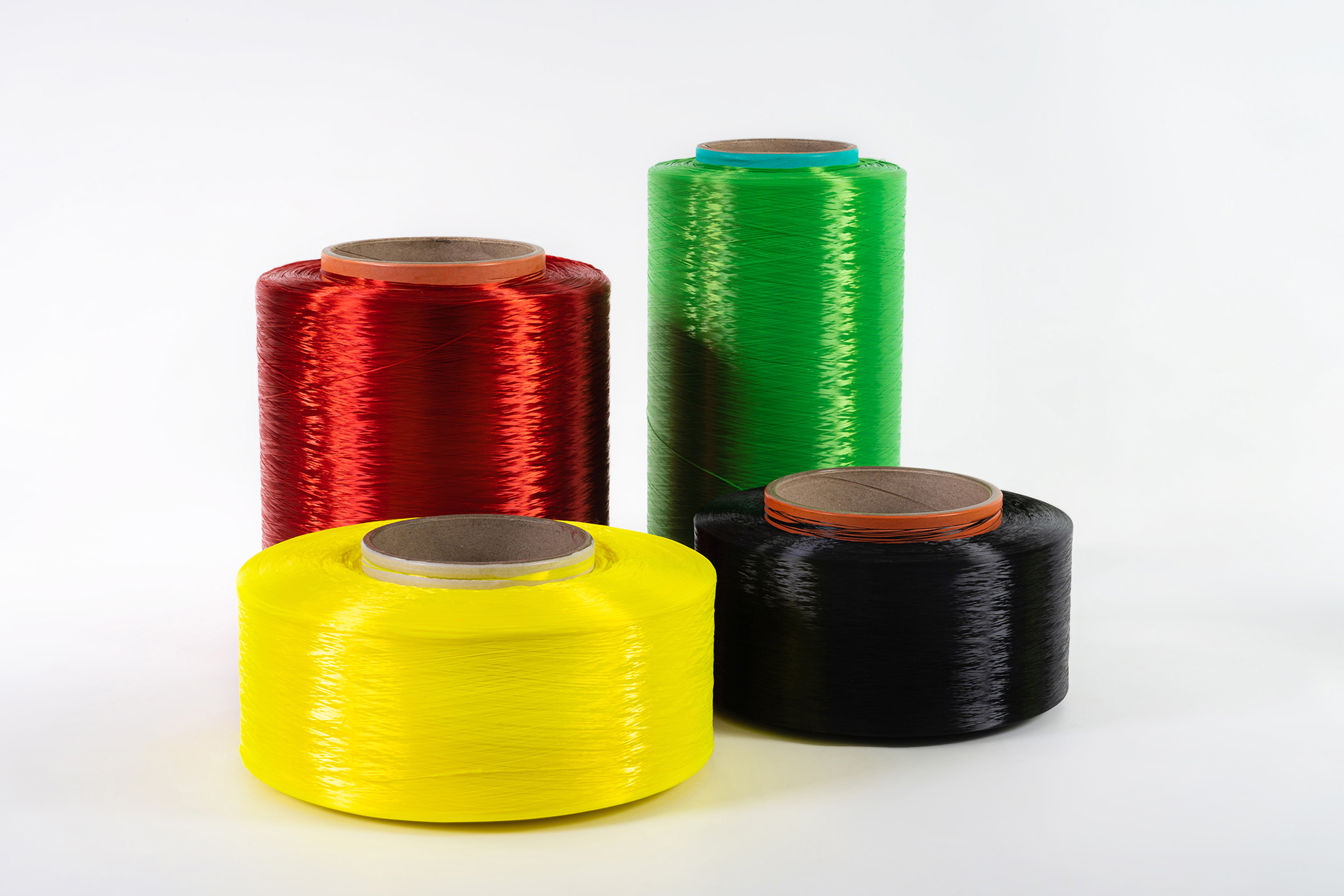
Unlike traditional yarn dyeing methods that consume enormous amounts of water and energy, dope dyed filament yarn integrates pigments directly into the polymer during extrusion. This skips the dye bath entirely, meaning the color is built into the fiber from the start. The result? Fabrics that hold their vibrancy wash after wash without fading, even under prolonged sun exposure. It’s a smarter, more durable approach to colored textiles that makes a tangible difference in product longevity.
Beyond durability, this method eliminates the wastewater pollution common in wet processing. By avoiding post-spinning dyeing, manufacturers cut chemical usage and energy consumption significantly. For brands, this translates to lower production costs and a cleaner supply chain — all while delivering consistent, high-quality color that meets rigorous industry standards.
Evaluating Anti-UV Performance and Standards
The effectiveness of sun-protective fabrics hinges on reliable testing methods that simulate real-world exposure. A fabric’s ultraviolet protection factor (UPF) is determined by measuring how much UV radiation passes through the material, typically using a spectrophotometer that emits UV rays across the UVA and UVB spectrum. The calculation accounts for both direct transmission and scattered radiation, ensuring the rating reflects real-life conditions like fabric stretch, moisture, and wear. Labs follow strict protocols, often conditioning samples to mimic the effects of sweat and movement, as these factors can significantly degrade performance. Without such rigorous evaluation, a high UPF claim might not hold up under beachside or active-use scenarios, leaving skin vulnerable despite the label.
Internationally recognized standards bring consistency to these assessments, with the most prominent being AS/NZS 4399, AATCC 183, and EN 13758-1. Each outlines specific apparatus, sample preparation, and calculation methods, though subtle differences can lead to slightly varied results. For instance, some standards require testing in both dry and wet states, while others emphasize repeated wash cycles to gauge durability. A fabric earning a UPF 50+ rating under one protocol might only qualify as UPF 30 under another if not properly cross-referenced. Understanding these nuances helps brands and consumers alike make informed choices, pushing manufacturers to design textiles that maintain their protective qualities over time rather than relying on temporary coatings or finishes that wash away after a few swims.
Key Factors When Choosing a Manufacturer
A manufacturer’s track record speaks louder than any sales pitch. Look beyond glossy brochures and dig into their delivery timelines, defect rates, and how they’ve handled past supply chain disruptions. A partner who owns their mistakes and communicates proactively is worth more than one with perfect marketing. Ask for concrete examples of problem-solving under pressure—real stories, not polished case studies.
Compatibility runs deeper than technical specs. It’s about whether their production cadence matches your demand cycles, if their quality language aligns with your standards, and how naturally your teams connect during engineering calls. A manufacturer that feels like an extension of your own operations—anticipating needs before you articulate them—will save months of friction. The right fit often reveals itself in the way they challenge your assumptions, not just nod along.
Transparency often separates dependable partners from transactional vendors. Evaluate how openly they share cost breakdowns, capacity constraints, and potential risks—not just during onboarding but throughout the relationship. A manufacturer willing to walk you through their factory floor via live video, introduce you to the people running your production line, and flag issues before they escalate is showing a level of accountability that contract terms alone can’t enforce.
Quality Control and Production Consistency
At the heart of our operation lies a rigorous multi-tiered inspection protocol that begins the moment raw materials arrive. Every batch of ingredients is tested for purity, potency, and identity against pharmacopoeial standards before it ever reaches the production floor. During manufacturing, our operators conduct in-process checks at critical control points, measuring everything from blend uniformity to tablet hardness in real time. Finished products are then quarantined until a final analytical review confirms they meet specifications for dissolution, microbial limits, and label claim—ensuring that what leaves our facility is not just compliant, but consistently exceptional.
We don't rely on end-of-line testing alone; consistency is engineered into the process from the start. Our equipment undergoes continuous performance verification, and environmental conditions are monitored around the clock to maintain tight tolerances. Batch records are traceable to the finest detail, including operator sign-offs, machine settings, and time-stamped excursions if any. When deviations occur, a corrective and preventive action loop kicks in, not to assign blame, but to root out and eliminate the source of variation. This closed-loop mindset has driven a year-over-year reduction in batch failures and a steady climb in first-pass yield.
Maintaining this level of control demands constant calibration against the reality of a global supply chain. We audit our material suppliers with the same intensity we apply internally, requiring them to meet our quality agreement and demonstrate their own process capability indices. In-house, a dedicated team of quality engineers uses statistical process control charts to spot trends before they become problems, adjusting parameters preemptively rather than reacting to out-of-spec results. It’s an approach built on the principle that quality isn’t inspected into a product—it’s built in, link by link, from the supply dock to the shipping bay.
Industry Applications and Market Trends
Across sectors from healthcare to manufacturing, businesses are integrating advanced technologies to streamline operations and enhance customer experiences. In healthcare, predictive analytics optimize patient care, while smart factories leverage IoT for real-time monitoring. These applications are reshaping core processes, driving efficiency and innovation.
Market dynamics reflect a shift towards data-driven decision-making and automation. Investment in cloud-based solutions continues to climb, with a notable surge in edge computing to support latency-sensitive tasks. The adoption of AI-driven tools is no longer confined to tech giants; small and mid-sized enterprises are rapidly embracing these capabilities to remain competitive.
Emerging trends point to a convergence of machine learning and domain expertise, enabling bespoke solutions for niche markets. Sustainability is also taking center stage, with green technology initiatives gaining traction as both a regulatory requirement and a consumer preference. As these trends develop, the landscape will continue to evolve, presenting fresh opportunities for forward-thinking organizations.
FAQ
It is a type of polyester yarn where UV-resistant additives are incorporated into the polymer melt before spinning, and color pigments are added at the same stage, eliminating the need for separate dyeing processes. This results in a filament yarn with built-in UV protection and consistent color fastness.
Dope dyeing integrates UV stabilizers directly into the fiber structure during production. Unlike surface coatings that may wear off, these additives are distributed throughout the yarn, providing long-lasting UV protection without compromising the fiber's strength or flexibility.
Key benefits include superior color fastness, reduced water and chemical usage, lower energy consumption, and consistent shade matching across batches. The yarn also exhibits excellent durability against sunlight, washing, and abrasion.
Important factors include the manufacturer's technical expertise in dope dyeing, quality control measures, range of available colors and deniers, ability to customize UV protection levels, compliance with international testing standards, and their track record of consistent supply.
It is widely used in outdoor textiles such as awnings, patio furniture, automotive interiors, sports apparel, and protective gear. Any application exposed to prolonged sunlight benefits from its inherent UV resistance and color stability.
Quality can be verified through standardized tests like the QUV accelerated weathering test or ISO 105-B02 for colorfastness to light. Requesting technical data sheets, lab reports, or a sample run from the manufacturer helps ensure the yarn meets specific UV protection and durability requirements.
A reliable manufacturer should adhere to industry standards such as OEKO-TEX Standard 100 for harmful substances, ISO 9001 for quality management, and offer test reports like AATCC 16 for colorfastness to light or UPF ratings for UV protection.
By adding color and UV additives during melt spinning, this process skips water-intensive dyeing and finishing steps, significantly reducing water pollution and energy consumption. It also minimizes chemical waste, making it a more environmentally responsible choice.
Conclusion
Choosing the right manufacturer for anti-UV polyester dope dyed filament yarn calls for a clear understanding of how the yarn is made and why its properties matter. Dope dyeing embeds color pigments directly into the polymer melt before extrusion, locking in UV-blocking additives at the same time. This integrated process delivers fibers with exceptional colorfastness and enduring sun protection because the protective elements are part of the material itself, not just a surface treatment. When evaluating a supplier, it’s essential to look beyond basic claims and examine how the manufacturer measures and certifies UV performance—typically via UPF ratings or accelerated weathering tests that simulate real-world exposure. The best producers openly share their testing methodologies and can demonstrate consistency across production batches, ensuring every spool meets the same high standard.
Beyond technical specs, the practical benefits directly influence where the yarn ends up. Dope dyed filament yarns slash water and energy use compared to traditional dyeing, attracting brands focused on sustainability without compromising durability. The color stays vibrant even after prolonged outdoor use, making these yarns ideal for automotive interiors, outdoor furniture, awnings, activewear, and technical textiles that demand long-term UV resistance. A forward-thinking manufacturer doesn’t just produce yarn; they collaborate on custom solutions, adjusting denier, tenacity, and shade to fit niche applications. As market demand grows for high-performance, low-impact materials, the strongest partnerships come from working with suppliers who pair rigorous quality control with real-world application knowledge—helping you navigate evolving standards and keep your products competitive.
Contact Us
Contact Person: CONNIE
Email: [email protected]
Tel/WhatsApp: 86-0512-53671634
Website: https://www.lida-yarn.com/