

Airless Pump Bottle Makers Transforming Cosmetic Packaging Design
2026-08-04
Step into the future of beauty packaging—airless pump bottles are quietly revolutionizing how we preserve and dispense our favorite formulas. Behind this shift, innovators like Zhejiang Haitong Plastic Industry Technology Co., Ltd. are redefining design standards, merging sleek aesthetics with airtight protection that extends shelf life and eliminates waste. Whether it’s a silky serum or a lightweight lotion, the right bottle can elevate both product performance and brand appeal. In this post, we’ll explore the technology driving these changes and why your next packaging choice matters more than ever.
Redefining Product Preservation with Airless Technology
Airless technology is quietly transforming how we think about product preservation, moving beyond conventional methods that rely on additives or refrigeration. By creating a truly oxygen-free environment, this approach naturally extends the lifespan of sensitive formulations—whether in cosmetics, pharmaceuticals, or specialty foods—without compromising their integrity. Unlike traditional pumps that draw air back into the container with each use, airless systems maintain a hermetic seal, preventing oxidation, contamination, and the breakdown of active ingredients. The result is a purer, more consistent experience from the first use to the last, often with reduced need for preservatives.
What sets modern airless packaging apart is its ingenious simplicity. The mechanism typically uses a vacuum-driven piston or a collapsible inner pouch that rises as the product is dispensed, ensuring that every dose is metered with precision and nothing is wasted. This isn’t just about keeping air out; it’s about respecting the formulation’s delicate balance. Vitamins stay potent, creams retain their texture, and serums deliver the promised results month after month. For manufacturers, it opens up possibilities to simplify ingredient lists, appealing to the growing demand for clean, transparent products that don’t sacrifice performance.
Beyond preservation, airless design invites a fresh take on sustainability and user experience. Many systems are engineered for refillability or use recyclable mono-materials, cutting down on single-use waste while delivering a premium feel. The sleek, opaque containers also shield light-sensitive contents, further safeguarding efficacy. In a market flooded with quick fixes, airless technology stands out as a thoughtful marriage of form and function—where protection, precision, and responsibility converge to redefine what it means to keep a product alive.
Minimalist Designs That Speak Luxury
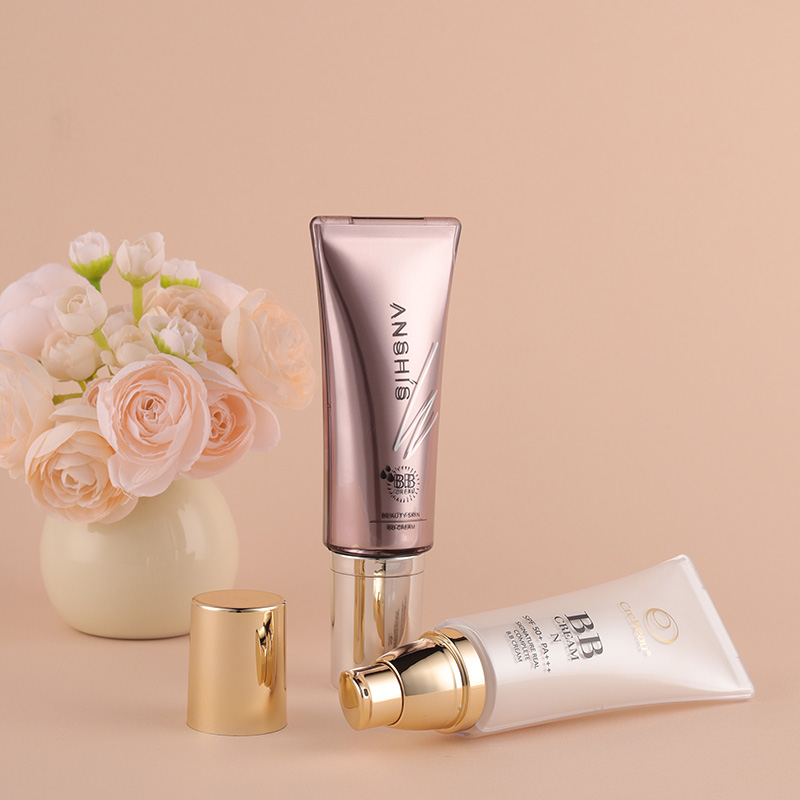
True luxury doesn’t need to scream—it whispers through intentional restraint. Minimalist designs achieve this by paring away excess, allowing material richness and precise craftsmanship to take center stage. A single, sculptural marble piece in an otherwise bare room, or a hand-stitched leather chair with clean lines, can convey more opulence than a cluttered space ever could. It’s the confidence of emptiness that lets each element breathe, turning presence into power.
Texture becomes a silent language in these spaces. The interplay of raw silk against polished concrete, or the warmth of matte oak juxtaposed with cool, honed granite, creates a sensory dialogue that feels both effortless and deeply considered. Light, too, is treated as a material—soft, diffused glows that sculpt the architecture rather than simply illuminating it. This thoughtful orchestration elevates the everyday into an experience of quiet grandeur.
Ultimately, the luxury of minimalist design lies in its ability to edit rather than add. It selects pieces with stories—a hand-blown glass vase, a bench shaped by a single fallen tree—and lets them hold the room. In doing so, it invites a slower, more mindful engagement with our surroundings. The result is an atmosphere that feels not only elegant but deeply personal, proving that less is not an absence but the purest form of abundance.
Sustainability at the Core of Modern Dispensing
Modern dispensing systems are shedding their old reputation as energy hogs and material wasters. Manufacturers are now actively designing equipment that minimizes electricity and water consumption without compromising performance. For instance, advanced pump technologies and smart heating elements only activate when needed, dramatically cutting idle energy waste. This shift isn't just about compliance—it's a proactive move to meet the expectations of eco-conscious businesses and reduce long-term operational costs in a tangible way.
Beyond energy efficiency, material choices are being rethought from the ground up. Dispensers are increasingly built with recycled plastics, biodegradable components, and modular designs that make repair and recycling straightforward. Instead of the traditional throwaway culture, parts can be easily swapped or upgraded, extending the lifespan of the equipment. Some brands are even piloting take-back programs, ensuring that end-of-life units don't end up in landfills but are disassembled and repurposed, creating a closed-loop system that feels genuinely responsible.
Perhaps the most overlooked aspect is how smarter dispensing contributes to waste reduction in daily operations. Precision portion control not only saves product but also curbs overuse that leads to unnecessary refill cycles and packaging waste. Integrated sensors and data analytics help businesses track consumption patterns, optimizing inventory to prevent expired stockpiles. It's a quiet revolution where sustainability becomes a natural outcome of better design, rather than a forced afterthought.
Customization Unleashed: Tailored Solutions for Niche Brands
For brands that thrive on distinctiveness, off-the-shelf strategies fall short. We dive deep into the nuances of your niche, crafting frameworks that reflect your unique voice and resonate with your specific audience. Every touchpoint becomes a canvas for authenticity, ensuring no two solutions ever look or feel the same.
Our approach begins with immersion—studying not just your market, but the culture and community that define it. Whether it’s a microbrewery, an indie skincare line, or a bespoke apparel label, we pull apart conventional playbooks and rebuild them through your lens. The result? A dynamic blend of design, messaging, and interaction that turns niche quirks into compelling brand signatures.
Scalability never comes at the expense of soul. We engineer flexible systems that let you evolve without diluting what makes you different. From configurable product configurators to adaptive loyalty programs, each element is built to grow with your vision—keeping your identity intact while unlocking doors to new audiences who crave exactly what you offer.
The Mechanics Behind Zero-Waste Dispensing
At its core, zero-waste dispensing reimagines how we access everyday products by stripping away single-use packaging entirely. Instead of pre-packaged goods, bulk dispensers allow you to fill your own reusable containers with exactly the amount you need—whether it’s shampoo, lentils, or laundry detergent. The system relies on gravity-fed bins, pump stations, or vacuum-sealed hoppers that keep products fresh while minimizing exposure to air and contaminants. Shoppers simply tare their container on a scale, fill it, and pay by weight, eliminating the plastic bags, bottles, and wrappers that typically end up in landfills after a single use.
Behind the scenes, hygienic design plays a critical role. Dispensers are crafted from easily cleanable materials like stainless steel or food-grade silicone, and many feature airtight seals or slow-release valves to preserve product integrity. Refill logistics are streamlined too: suppliers deliver concentrates or bulk quantities in reusable drums or tote bags, which are returned, sanitized, and reused—creating a closed-loop supply chain. This not only slashes packaging waste but also reduces transportation emissions by shipping denser, unpackaged goods.
For consumers, the mechanics feel intuitive—like a return to old-school mercantile habits, but with modern precision. Digital screens often display product origin, nutritional info, or eco-credentials, blending transparency with convenience. From sensory-friendly lever dispensers to app-connected smart bins that track your refill history, the technology is evolving to make package-free shopping seamless. In essence, the mechanism transforms a simple act—refilling a jar—into a tangible daily choice against waste, proving that small shifts in how goods are distributed can have a massive collective impact.
Bridging Function and Aesthetics in Travel-Friendly Formats
Packing light no longer means sacrificing personal style or everyday practicality. Modern travel gear has evolved into a realm where sleek silhouettes meet ingenious utility—compression cubes that double as organizational art, toiletry bottles with contoured edges that slide effortlessly into tight corners, and jackets that fold into their own pocket without looking like a crumpled afterthought. The best pieces feel natural in hand and on the eye, turning the mundane ritual of packing into a quietly satisfying exercise in minimalism.
Materials play a quiet but pivotal role in this balance. Weightless fabrics with a soft, tactile finish bring a sense of ease to the journey, while rigid shells and reinforced seams protect what’s inside without adding bulk. A well-designed carry-on, for instance, isn’t just a container—it navigates airport floors with whisper-quiet wheels and offers interior pockets that keep a travel life in order, all while sporting a profile that looks at home in a hotel lobby or a mountain lodge. These thoughtful details mean you’re never choosing between looking put-together and staying prepared.
FAQ
An airless pump bottle is a non-pressurized vacuum dispensing system that relies on a piston mechanism to push product upward, eliminating the need for a dip tube. Unlike standard pumps, it prevents air from entering the container, keeping formulas sterile and extending shelf life without the use of preservatives.
Brands are making the switch because airless technology aligns with clean beauty trends—it protects sensitive ingredients from oxidation, reduces product waste by evacuating nearly 98% of the contents, and allows for opaque or transparent packaging without contamination risks. It also supports multi-chamber designs for dual-serum products.
Manufacturers are pushing boundaries with customizable outer shells, from soft-touch matte finishes to metallic accents, while the internal vacuum mechanism remains hidden. This separation of function and form gives designers freedom to create striking, luxury-feel containers without compromising performance.
Leading makers are increasingly using recycled ocean plastics, PCR materials, and mono-material components to meet eco-conscious demands. Some have developed refillable airless systems where only the inner cartridge is replaced, significantly cutting down on single-use plastic waste.
Absolutely. Modern airless systems use high-tolerance pistons and specialized nozzle geometries that can dispense everything from watery toners to dense balms with consistent dosage per pump. This versatility is a key reason they've become popular across skincare, sun care, and even foundation categories.
New designs incorporate features like a wiper piston that scrapes the interior walls clean, or a collapsing inner bag that squeezes from the top down. Some manufacturers use electrode-positioned sensors to alert users before complete emptiness, ensuring maximum utilization and reducing consumer frustration.
The main hurdles include higher upfront tooling costs compared to standard bottles, the need for compatibility testing with specific formulations, and ensuring the pump mechanism doesn't leak during air travel if not properly engineered. However, specialized makers now offer extensive compatibility testing and tamper-evident sealed systems to address these issues.
Expect to see growth in personalized dosing via smart caps that track usage, monomaterial airless components for easier recycling, and biodegradable inner pouches. Hybrid designs combining airless precision with glass-like aesthetics are also on the rise, blurring the line between packaging and keepsake.
Conclusion
Airless pump bottle manufacturers are rewriting the rules of cosmetic packaging, merging cutting-edge preservation with elevated design. By removing air from the equation, these systems shield delicate formulas from oxidation and contamination, doing away with synthetic preservatives while extending shelf life. This technical leap opens the door to purer, potent skincare that resonates with ingredient-conscious consumers. At the same time, the minimalism trend is being embraced wholeheartedly—smooth silhouettes, soft-touch finishes, and muted palettes convey effortless luxury. Brands are leveraging these sleek vessels to create a tactile and visual identity that feels premium without being ostentatious. The result is packaging that not only protects but also elevates the entire user ritual, turning a simple pump into a statement of refinement.
Sustainability is equally central to this transformation. Engineers have refined the mechanics so that virtually every drop is dispensed, significantly cutting product waste. Many makers now focus on mono-material constructions, refillable cartridges, and recycled plastics, aligning with the push for circular beauty. Customization has also soared: niche brands can specify everything from dosage volume to cap texture, imprinting their story onto bespoke bottles that stand apart. Travel-friendly formats further bridge function and aesthetics—compact, leak-proof designs let consumers maintain their routine on the go without sacrificing elegance. In this new era, airless pump bottles are more than containers; they are smart, sustainable, and sculptural objects that define a brand’s commitment to innovation and responsible luxury.
Contact Us
Contact Person: Kara Yang
Email: [email protected]
Tel/WhatsApp: 8618857568397
Website: https://www.haitongplastic.com/