

Acrylic Road Hardening Agent: Strengthening Pavements for Lasting Durability
2026-07-16
When roads crack and crumble under relentless traffic and weather, traditional repairs often fall short. Discover how acrylic technology is redefining pavement strength—and why MST's advanced hardening agents are the secret behind surfaces that truly last.
How Acrylic Hardening Agents Transform Weak Pavements
Weak pavements often fail under consistent traffic loads, developing cracks and depressions that worsen over time. Acrylic hardening agents offer a targeted fix by seeping into the surface layer and chemically bonding with the existing materials. Rather than simply coating the top, these agents penetrate the binder and aggregate, reinforcing the matrix from within. The result is a denser, more resilient surface that resists the fatigue caused by repeated vehicle stress. This internal strengthening can dramatically reduce the frequency of repairs, making overlooked roads usable again without a full reconstruction.
What sets acrylic treatments apart is their rapid curing and adaptability. Road crews can apply the agent and have the treated area ready for traffic within hours, minimizing downtime on busy stretches. The compound’s low viscosity allows it to reach into hairline fissures, locking loose particles in place and preventing water infiltration—a primary culprit in pavement deterioration. Over the following days, the material continues to gain strength as it cures, forming a tough yet slightly flexible network that can handle temperature swings without becoming brittle. This combination of swift turnaround and long-term durability appeals to maintenance teams looking for practical solutions under tight schedules and budgets.
In regions where poor soil or heavy rainfall undermines subgrade stability, acrylic hardeners shift the pavement’s character from brittle to ductile. They disperse load more evenly across the surface layer, reducing pressure on underlying weak spots. Field tests have shown that even heavily scarred asphalt regains coherence after treatment, with stiffness improvements measurable within the first season. The transformation is not cosmetic—it re-engineers the surface’s relationship with the elements, cutting evaporation rates and slowing oxidation. As a result, municipalities and private owners alike find that applying an acrylic hardener can double the remaining lifespan of a road, proving that sometimes the most effective rehabilitation doesn’t involve tearing everything up and starting from scratch.
The Science Behind Long-Lasting Road Surfaces
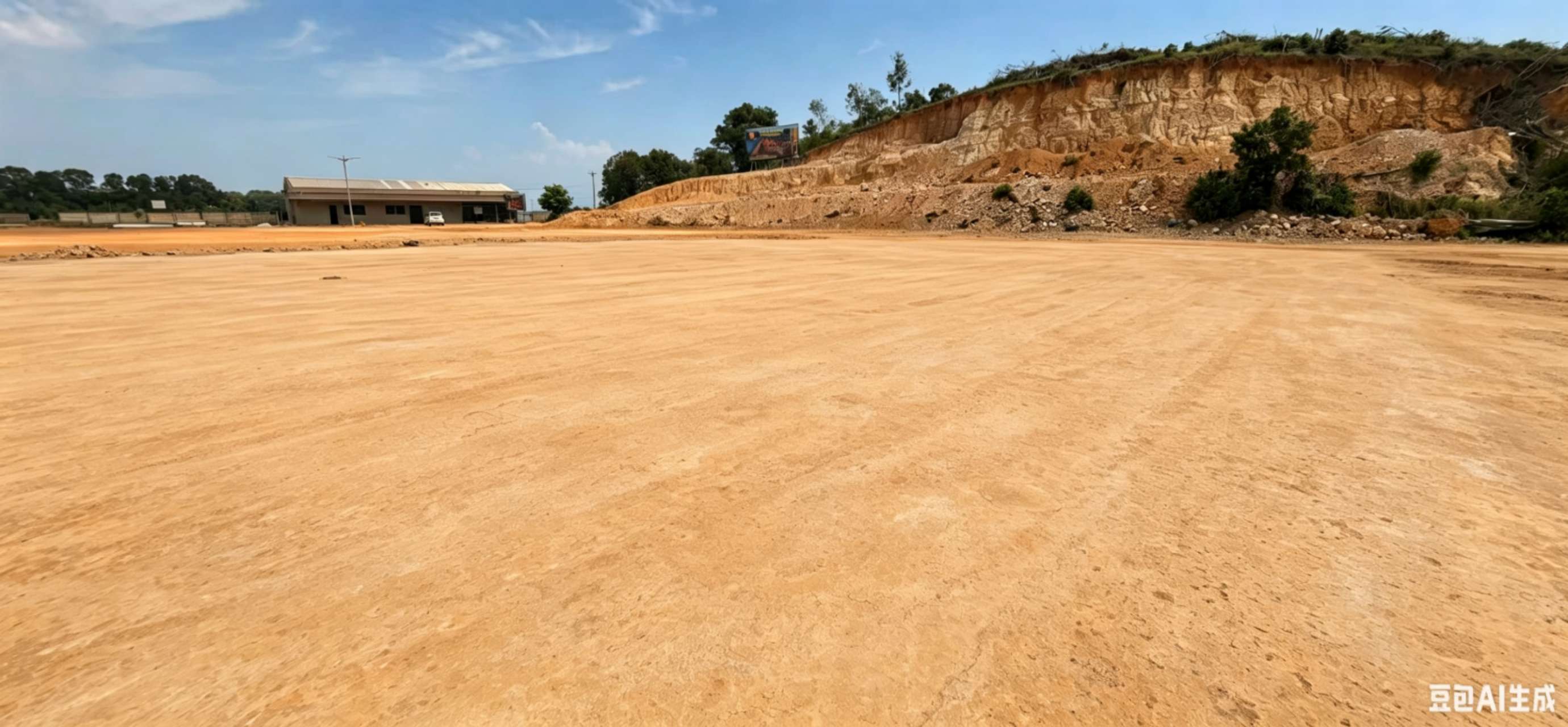
Road surfaces that endure years of heavy traffic and harsh weather aren’t just a matter of luck—they’re a product of meticulous material science and engineering. The foundation begins with selecting the right blend of aggregates and binders. Modern asphalt mixes, for instance, often incorporate polymers or rubber from recycled tires to enhance elasticity and resistance to cracking. These additives create a more flexible pavement that can withstand the constant stress of expanding and contracting with temperature changes, preventing the fissures that let water seep in and cause deeper structural damage.
Beneath the surface, the real magic happens in the layers below. A well-designed road features a carefully compacted subbase of crushed stone or gravel that distributes loads evenly, reducing pressure on the upper layers. Proper drainage is equally critical—water is the enemy of pavement integrity. By integrating edge drains and permeable base materials, engineers ensure that moisture never pools beneath the asphalt, averting the freeze-thaw cycles that can heave and buckle even the sturdiest roads. The compaction process itself, often using intelligent rollers that monitor stiffness in real time, guarantees uniform density and long-term stability.
Innovations are quietly reshaping how we think about road longevity. Self-healing asphalt, embedded with tiny capsules of rejuvenating agents, automatically repairs micro-cracks before they spread. Warm-mix asphalt technologies, which lower production temperatures, not only reduce energy use but also create a more workable, durable pavement by minimizing binder aging during laying. Meanwhile, the rise of “perpetual pavements”—thick, multi-layer structures designed so that only the top wearing course needs replacement—promises to drastically extend service life while cutting maintenance costs and disruptions.
Simple Application, Powerful Results—A Look at the Process
The elegance of our approach lies not in complexity but in the deliberate simplicity of each step. From the initial input to the final output, every phase is engineered to minimize friction and maximize impact. Users are guided through an intuitive workflow that requires no specialized knowledge—just a clear intention and a few clicks. The system handles the heavy lifting behind the scenes, transforming basic inputs into sophisticated outcomes with remarkable consistency.
What truly sets this process apart is the adaptive feedback loop built into its core. As it runs, the system learns and adjusts in real time, ensuring that results improve with each interaction. This isn't a static, one-size-fits-all mechanism; it's a dynamic framework that molds itself to the unique characteristics of every task. The result is an experience that feels personal and responsive, as if the tool understands exactly what you need before you’ve even finished asking.
In practice, this translates to dramatic time savings and a steep drop in the learning curve typically associated with comparable solutions. Case after case shows users achieving in minutes what used to take hours, with output quality that often exceeds manually crafted alternatives. The secret isn't magic—it's a relentless focus on removing unnecessary steps and letting the underlying intelligence do what it does best. The process doesn't just work; it works in a way that feels almost invisible, letting the results speak for themselves.
Why Acrylic-Based Solutions Outperform Traditional Methods
Traditional methods often rely on materials that degrade under UV exposure, moisture, or temperature swings, leading to frequent repairs and early replacements. Acrylic-based solutions flip the script—they’re built to resist yellowing, cracking, and peeling, even after years of direct sunlight or extreme weather. This innate durability isn’t just about looking good longer; it directly cuts maintenance costs and extends service life in ways older materials simply can’t match.
Another overlooked advantage is how acrylics actually enhance performance through better adhesion and flexibility. Instead of forming a stiff, brittle layer that separates over time, they create a molecular bond that moves with the substrate—wood, concrete, metal, you name it. That elasticity stops water intrusion and air leaks in their tracks, something traditional sealants and coatings struggle to do once they harden and micro-crack.
Then there’s the chemistry itself: water-based acrylic formulations come with far lower VOC levels and a much safer application process compared to solvent-heavy traditional options. No toxic fumes saturating a jobsite, no harsh cleanup chemicals, and the same—or better—coverage per gallon. It’s a straightforward performance upgrade that also lightens the environmental and health footprint, making the old ways feel stubbornly outdated.
Eco-Friendly Benefits of Modern Pavement Reinforcement
Modern pavement reinforcement techniques are reshaping how we think about road sustainability. By extending the service life of asphalt and concrete surfaces, these methods dramatically reduce the need for frequent resurfacing and reconstruction. Fewer repair cycles mean less raw material consumption—aggregate, bitumen, and cement—and a significant drop in the carbon emissions tied to production and transport. It’s a quiet but powerful shift, turning routine infrastructure into a long-term environmental asset.
Another overlooked advantage is the reduction in traffic disruption. When roads last longer and require fewer major overhauls, the constant cycle of construction-related congestion is broken. Idling vehicles in work zones burn fuel needlessly, pumping out excess greenhouse gases. With robust reinforcement beneath the surface, traffic flows more smoothly, and the hidden environmental cost of delays simply fades away.
There’s also a tangible gain in resource efficiency through the use of recycled and low-impact reinforcement materials. Geosynthetics, reclaimed asphalt pavement, and even industrial byproducts can be integrated into the reinforcement layer. This not only diverts waste from landfills but also lowers the overall energy intensity of pavement projects. It transforms road building from a linear, extractive process into something closer to a circular model—where durability and environmental stewardship go hand in hand.
Extending Road Life and Cutting Costs Over Time
Road networks are under constant strain from traffic loads, weather extremes, and material fatigue. A smarter approach to pavement management focuses on early interventions—think crack sealing and surface rejuvenation—before minor distress turns into structural failure. By deploying predictive maintenance models that factor in real-time usage data and climate conditions, agencies can extend a roadway’s service life by decades while avoiding the need for full reconstruction. This proactive mindset not only keeps roads safer and smoother longer but also eliminates the disruptive and expensive cycle of reactive repairs.
Materials innovation plays a quiet but powerful role. For instance, incorporating recycled plastics or rubberised binders into asphalt mixes boosts flexibility and resistance to rutting. These modified pavements outperform conventional ones under heavy traffic, drastically reducing the frequency of overlays. When combined with intelligent compaction techniques and in-situ recycling methods, the upfront investment in better materials pays back many times over through reduced lifecycle costs—without sacrificing performance.
Finally, digital tools are transforming how we plan and monitor pavement investments. Ground-penetrating radar and IoT sensors embedded in roads deliver continuous feedback on structural health, allowing maintenance crews to spot subsurface moisture or density anomalies long before cracks appear at the surface. This data-driven precision ensures that every dollar spent targets the right place at the right time, stretching budgets further and turning asphalt into a long-lived asset rather than a recurring expense.
FAQ
It's a liquid polymer blend that seeps into the pavement's surface and binds loose aggregate particles together. As it cures, it forms a tough, flexible film that reinforces the road from within, reducing dust, raveling, and moisture penetration.
Acrylics offer better UV resistance and flexibility, so they won't become brittle over time like coal tar or asphalt-based sealers. They also dry faster and maintain a clearer finish, which helps preserve the original appearance of decorative surfaces.
Absolutely. It's particularly effective on aging asphalt or chip seal roads where the binder has started to degrade. The acrylic penetrates deeply to lock in remaining aggregates and can significantly extend the service life without a full overlay.
With proper surface preparation, you can expect 3 to 5 years before recoating is needed. High-traffic areas may require reapplication sooner, but the treatment dramatically slows down surface deterioration compared to untreated pavement.
Modern acrylic road hardeners are water-based and low in volatile organic compounds, making them much safer than solvent-based alternatives. Once cured, the material is inert and won't leach harmful chemicals into nearby soil or waterways.
Yes, one of the key benefits is enhanced chemical resistance. The cured acrylic film forms a barrier that prevents diesel, gasoline, and motor oil from softening the asphalt binder, which is a common cause of damage in parking lots and industrial zones.
The surface must be clean and dry, with all loose debris, dirt, and oil stains removed. Power washing or light sweeping is usually sufficient; any major cracks or potholes should be repaired first to ensure even penetration and bonding.
It works equally well on both. Homeowners appreciate the clean, dust-free finish and the way it prevents aggregate loss on exposed aggregate driveways, while municipalities and businesses value the extended lifespan and reduced maintenance costs.
Conclusion
Weak or aging pavements often suffer from cracking, spalling, and erosion under heavy traffic and harsh weather, but acrylic road hardening agents offer a robust solution by deeply penetrating the surface and chemically bonding with the substrate to form a dense, reinforced matrix. Unlike conventional sealers that merely coat the top, these agents react with the pavement’s mineral components to create a hardened layer that significantly boosts compressive and flexural strength, effectively transforming fragile asphalt or concrete into a durable, load-bearing surface. The science relies on polymer cross-linking, where acrylic resins fill micro-voids and capillaries, then cure into a tough, yet slightly flexible barrier that resists water intrusion, freeze-thaw damage, and chemical attacks, thereby prolonging the life of the road.
Application is surprisingly straightforward: the liquid agent is typically sprayed or poured onto a clean, dry surface and then left to penetrate and cure, requiring minimal equipment and downtime—often just a few hours before traffic can resume. This simplicity translates into lower labor costs and faster project turnaround compared to traditional methods like full-depth reconstruction or frequent overlays, which generate substantial waste and emissions. Beyond performance, acrylic-based solutions stand out for their eco-friendly profile; they often have low volatile organic compound (VOC) content, reduce the need for virgin materials by preserving existing pavements, and can be formulated with recycled content. Over time, the reduced maintenance cycles and extended service life deliver significant cost savings, making it a practical choice for municipalities and contractors seeking both durability and sustainability.
Contact Us
Contact Person: Helen
Email: [email protected]
Tel/WhatsApp: 86 18630661160
Website: https://www.roadmilestone.com/